Smash Repairs Richmond

Paintless or Panel? The New Rules of Car Paintless Dent Repair

A small dent used to be a small problem.
A quick stop at the panel shop, a coat of paint and a few hundred dollars later, the car looked new again. Today, the same dent could cost three times as much. The reason isn’t inflation alone. The materials, sensors and repair methods that make modern cars safer are also making them harder—and more expensive—to fix.

Paintless Dent Removal – the repair revolution hidden in plain sight

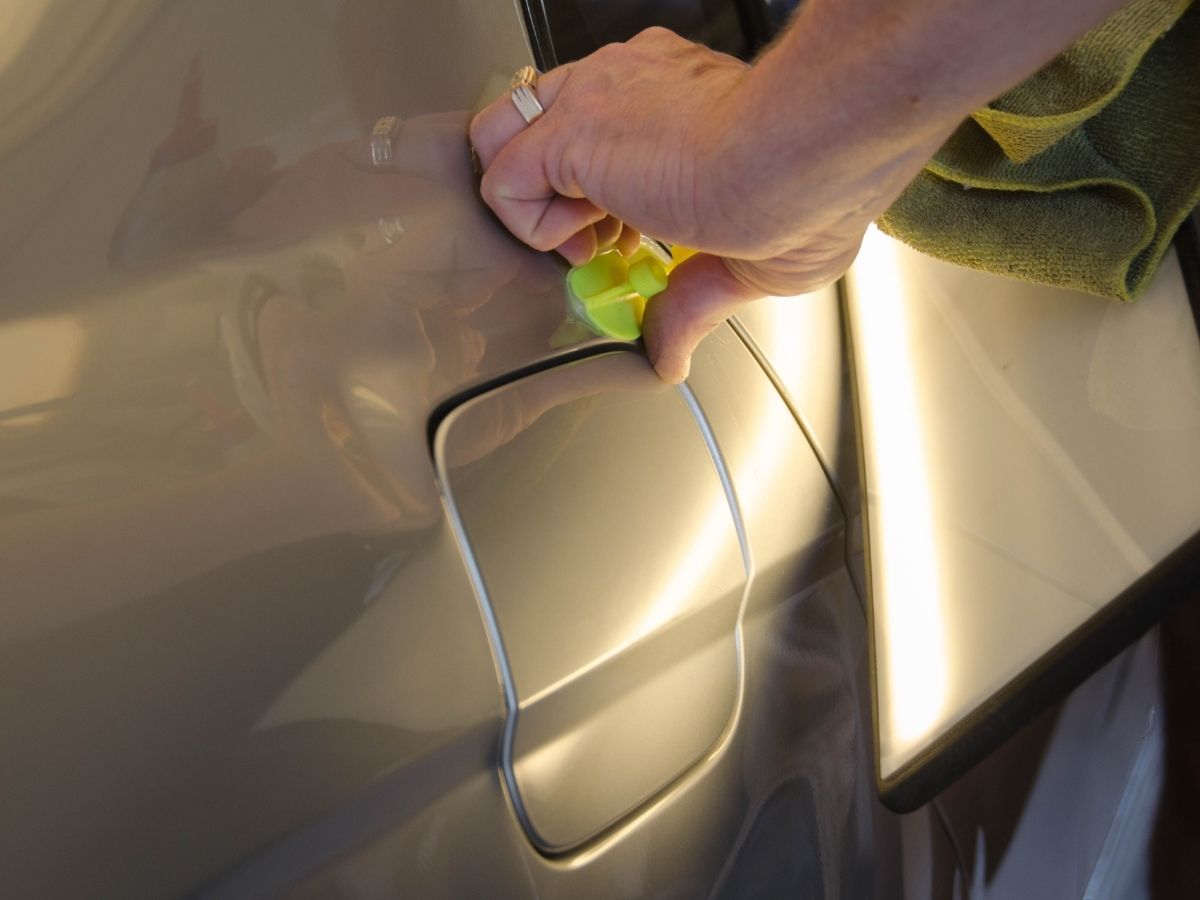
Most car owners do not realise how often modern vehicles can be repaired without a single drop of paint. Paintless dent removal (PDR) works by massaging the metal from behind, allowing the surface to return to its original shape. The factory paint remains intact, which makes the result almost invisible.

Dent Repairs in Hours Not Days

When the paint is still intact, Paintless Dent Repair can restore a panel in hours rather than days.

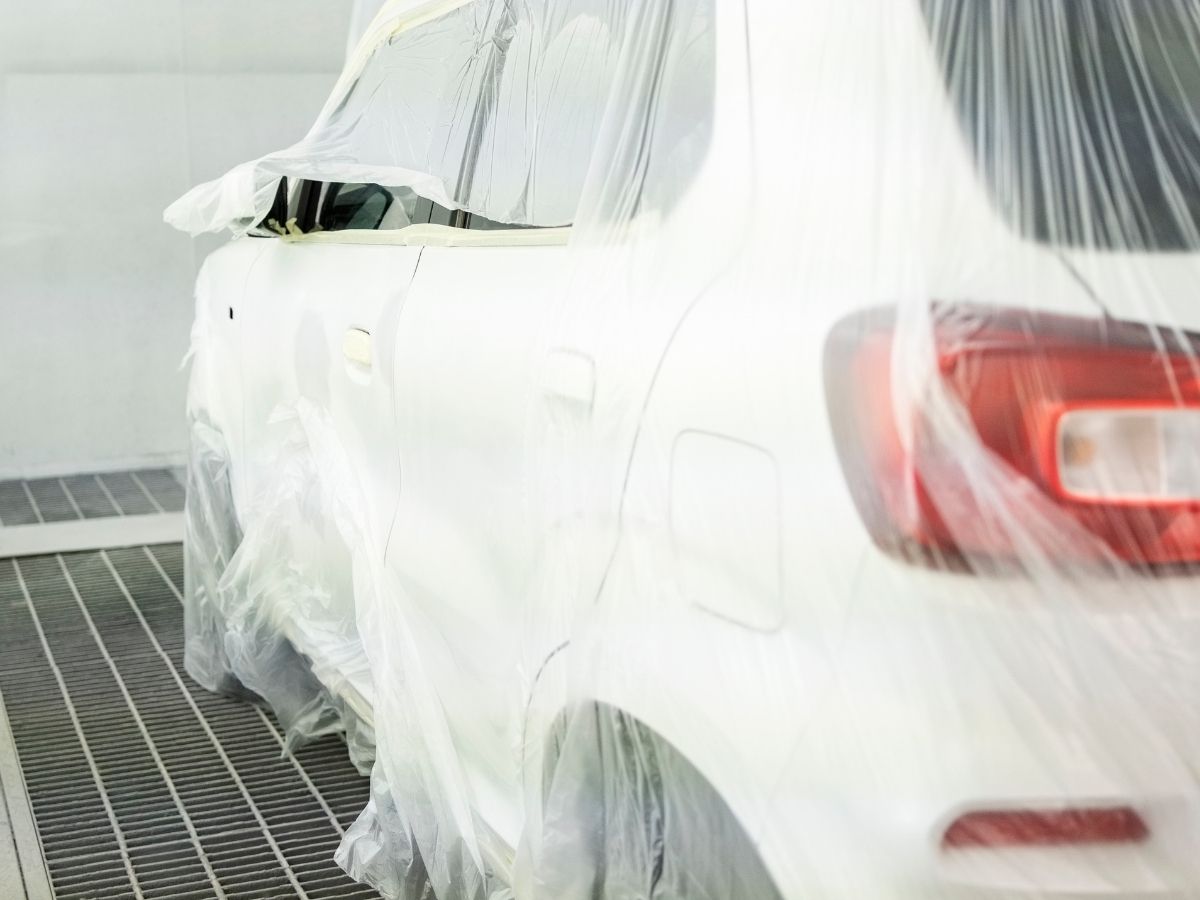
Traditional dent repair, by contrast, involves sanding the damaged area, applying filler, priming, repainting, and clear-coating. It is slower and more expensive, but it is also essential for serious damage or cracked paint.

That split has quietly redrawn the boundaries of what counts as “minor damage.”

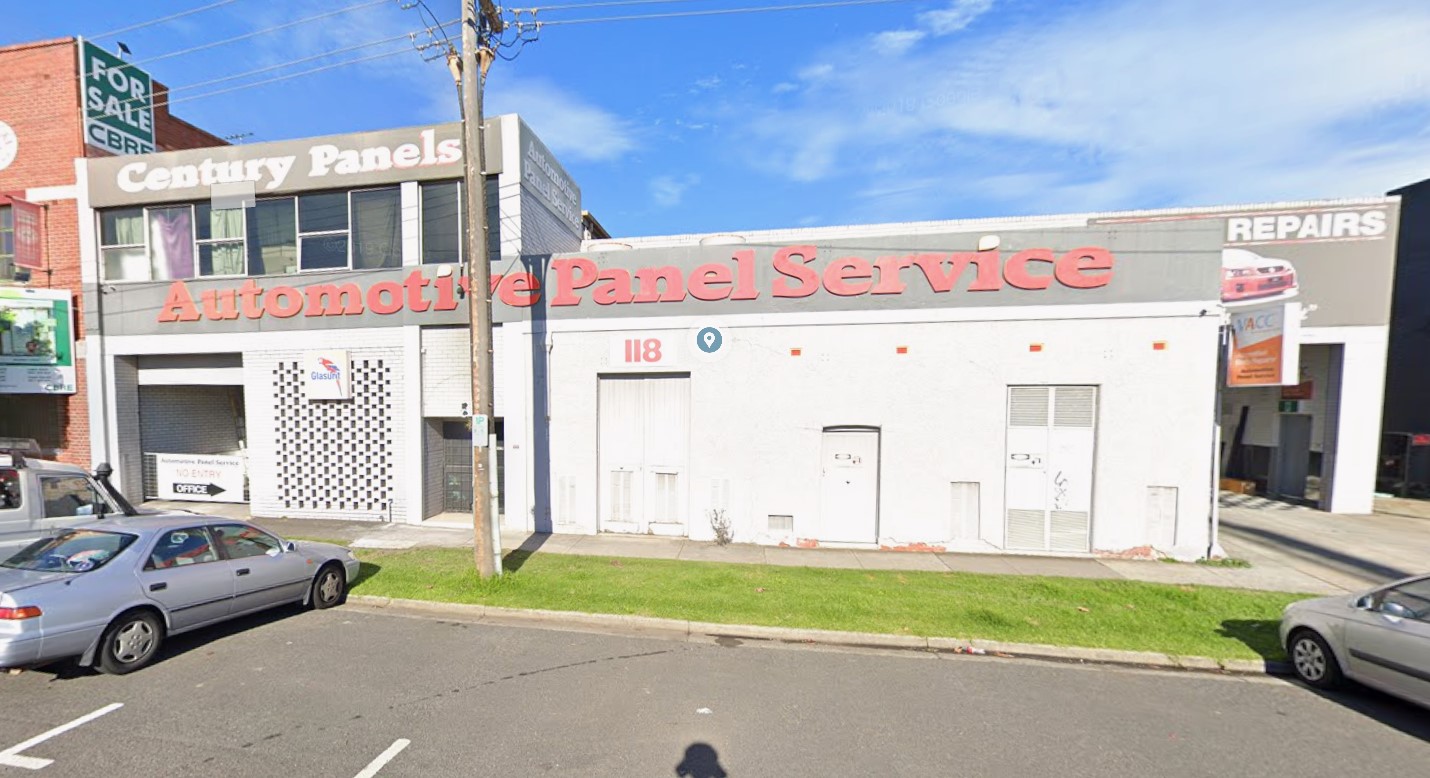
“Ten years ago, a small dent meant repainting,” says Bruce Peatling from Automotive Panel Service in Melbourne, a veteran of dent repair who has worked in both sides of the trade. “Now, if the paint is not broken, we can often have the car back the same day.”

Paintless Dent Repair works best for:

  • Small dents or hail damage
  • Door dings where the paint surface is undamaged
  • Shallow creases on steel or aluminium panels

Because there’s no need for filler or paint, costs are lower and the car keeps its factory finish. Typical repairs range from $200 to $400, a fraction of conventional methods.

When Traditional Repair Still Matters

Not every dent qualifies. Deep creases, torn metal, or cracked paint still require the slower, conventional process: sanding, filling, priming and repainting. This method restores the surface protection that prevents corrosion.

Conventional repair is essential when:

  • The paint has cracked or peeled
  • The dent sits on a sharp crease or structural seam
  • Sensors or cameras sit directly behind the damage
  • Access to the reverse side of the panel is limited

Repairs in this category often cost $800 to $2,000 depending on paint type and vehicle model.
Why Costs Are Diverging

Changes in the materials that vehicles are made from has seen a big change in the last few years. What we’ve seen in the workshop is that minor dent repair costs have risen by more than 15 per cent in the last two years two years alone. This is because:
  • Advanced steels, aluminium and plastic composites are lighter but more difficult to manipulate.
  • Many panels are now part of integrated safety systems that need recalibration after a repair.
  • Modern paints add complexity too. Metallic and pearlescent finishes require precise colour-matching, and heat-sensitive clear coats limit traditional drying methods. Each of these factors pushes up labour time and cost.

A Matter of Time and Technique

Paintless repairs are often finished within one or two days. Conventional repairs can stretch to a week because of paint curing and part ordering. For time-poor drivers—or for fleets managing multiple vehicles—speed has become a deciding factor.
Repair Type Average Cost (AUD) Timeframe Paint Required
Paintless Dent Removal (PDR) $200 – $400 1 – 2 days No
Conventional Dent Repair $800 – $2,000+ 3 – 7 days Yes

The Sustainability Shift

Paintless methods also appeal on environmental grounds. They use fewer solvents, create less waste and cut the energy used in spray booths. Workshops adopting water-borne paints and energy-efficient curing are reducing emissions even further.

It’s a small contribution to sustainability, but one gaining importance as both consumers and insurers prioritise lower-impact repairs.
The New Rules for Drivers

The boundary between the two repair types is no longer clear-cut. PDR has matured from a niche skill into a mainstream option, but conventional repair remains critical when paint or structure is compromised.

Drivers should ask their repairer:

  1. Is the paint intact, or will it need refinishing?
  2. What is the panel made from—steel, aluminium or plastic?
  3. Are sensors or cameras positioned behind the damage?
  4. How will the workshop ensure colour consistency if painting is required?
  5. What warranty covers the finished repair?

A good workshop will answer each question and explain why one method is safer or more cost-effective for that specific dent.

An Industry in Transition

Some repairers now operate hybrid models, pairing paintless specialists with traditional panel beaters. Others specialise in hail-damage events, completing hundreds of repairs a week using only PDR. The trend reflects a broader shift toward efficiency and sustainability rather than a rejection of traditional craftsmanship.

As cars evolve, so do the rules of fixing them. Paintless dent removal is not replacing panel beating, but it is forcing both trades—and insurers—to rethink what “minor damage” really means.

For most drivers, understanding that distinction can save both money and frustration the next time a stray trolley finds its mark.

Smash Repairs Richmond
trading hours
  • MONDAY - FRIDAY
    8:00 AM - 5:30 PM
  • SATURDAY
    BY APPOINTMENT
  • SUNDAY
    CLOSED
© 2026 AUTOMOTIVE PANEL SERVICES. ALL RIGHTS RESERVED | ABN: 51 692 729 043