
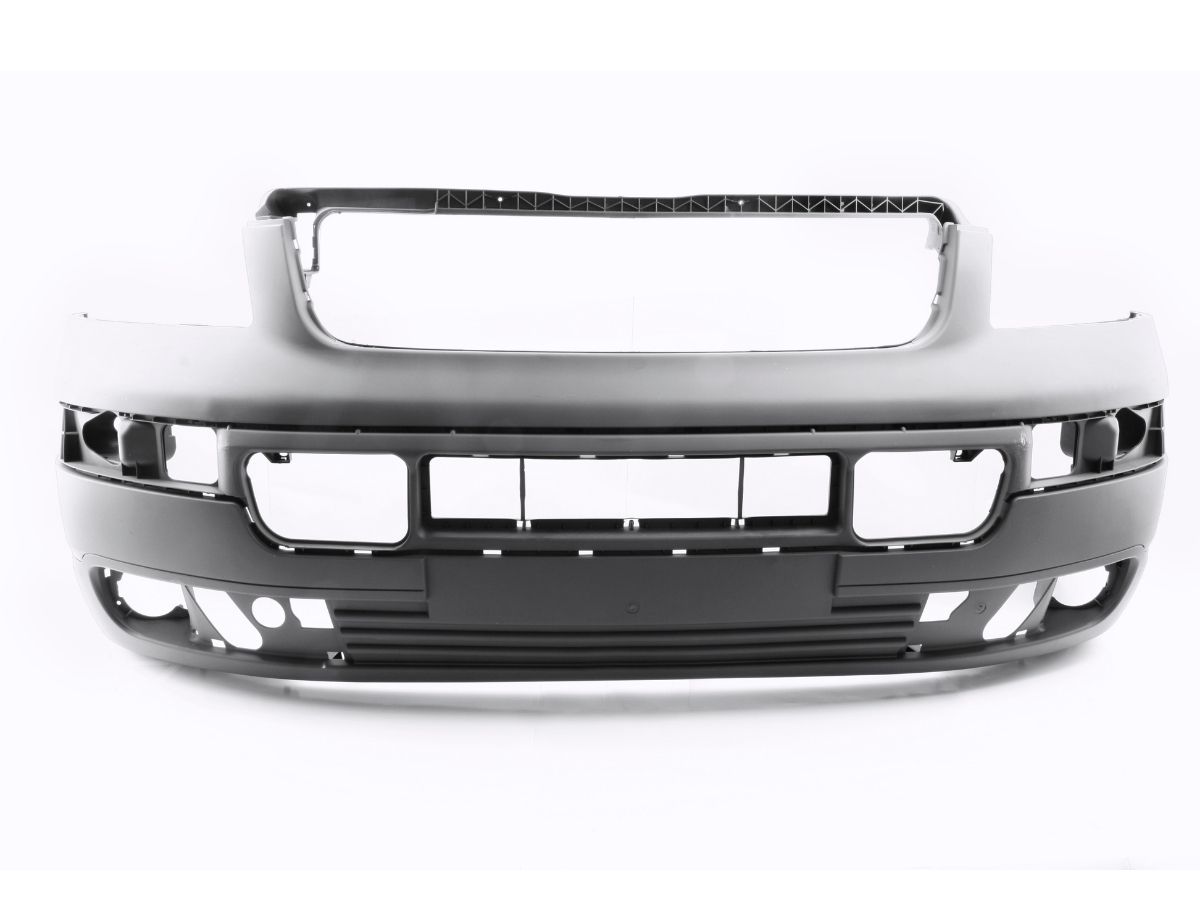
Beneath the glossy finish is a structure designed to absorb impact and protect key components. When that structure is damaged, the question for most drivers is simple: should you repair it, or replace it?

A technician assessing bumper damage will often check:
• The internal foam absorber
• Mounting points and brackets
• Hidden cracks in the plastic
• Sensors and radar modules behind the surface
A scrape might look minor, but unseen damage underneath can reduce how well the bumper performs in another impact.
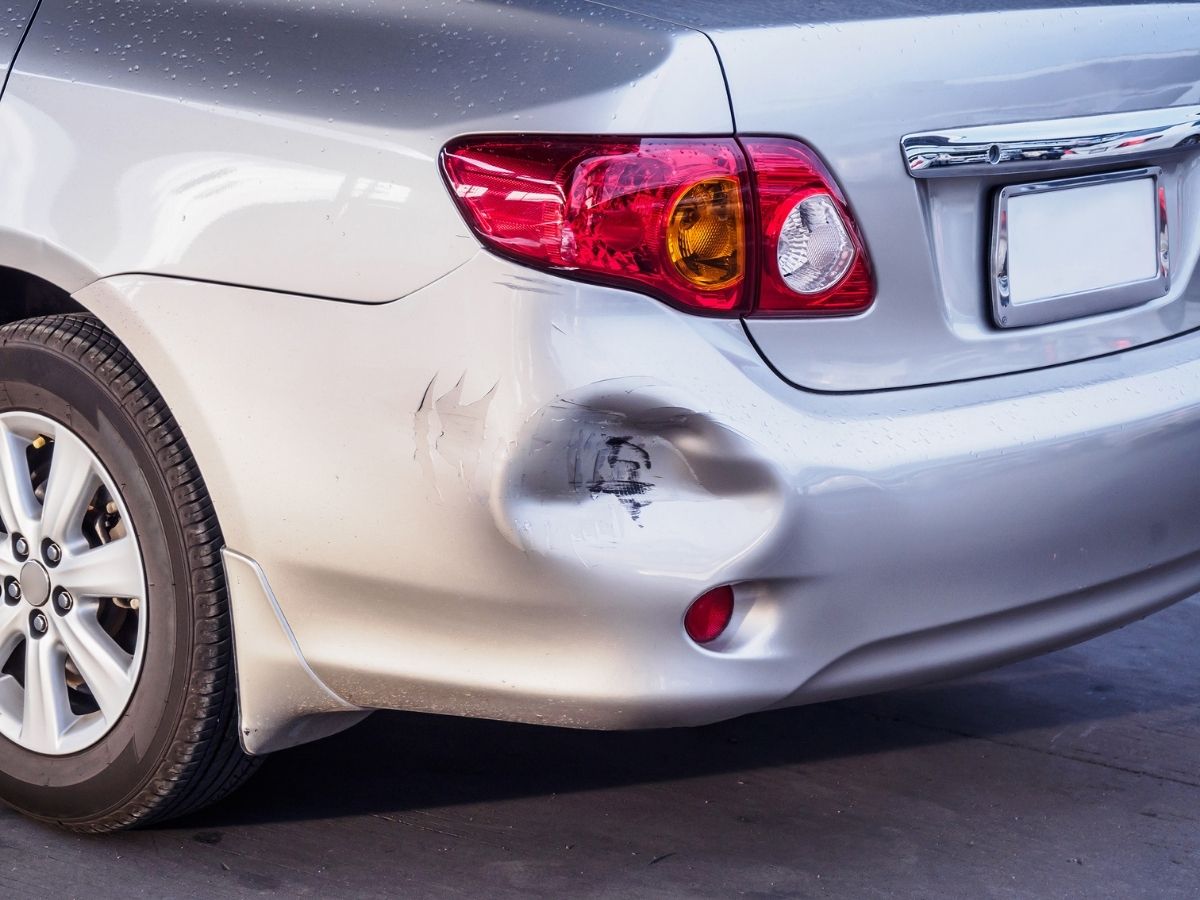
Many damaged bumpers can still be repaired safely. The right choice depends on the location and extent of the damage.
Common bumper repair methods include:
• Plastic welding: repairs splits and cracks in the bumper
• Sanding and repainting: restores scuffed paint or shallow scratches
• Paintless dent repair (PDR): reshapes small dents without repainting
PDR works best when the paint layer is intact. It’s quick and cost-effective, usually priced between $150 and $400. Full bumper plastic repair might cost $250 to $600, and repainting a panel can add $300 to $700.
These jobs are often completed within two or three days, and when done properly, the result is indistinguishable from new.
Insurers weigh cost, safety, and warranty when deciding what’s covered. If a repair estimate exceeds a certain percentage of the replacement cost, they’ll usually authorise a new part.
Typical pricing looks like this:
• Full bumper replacement: $800 to $2,500
• Standard repair: roughly half that
Many insurers have relationships with approved repairers, but drivers can usually nominate their own. When in doubt, it’s reasonable to ask:
• Will the repair use genuine (OEM) parts?
• Is there a warranty on the repair?
• Can I get a second opinion?
The goal is a safe, durable result, not just the cheapest one.
Matching modern paint finishes requires precision. Metallic and pearlescent coatings can shift in tone under different light, so repairers use digital tools to achieve consistency.
Professional workshops often rely on:
• Spectrophotometers to analyse colour
• Waterborne paints that reduce emissions
• Spot repairs that blend seamlessly into existing finishes
A high-quality paint match can preserve both the appearance and resale value of a vehicle.
Today’s repair workshops blend craftsmanship with software. Computers and scanners map damage to millimetre precision.
Technicians use this data to:
• Align bumpers to manufacturer standards
• Confirm airbag and radar systems are recalibrated
• Track structural integrity after an impact
This level of detail ensures repaired bumpers look right and perform safely.
| Service Type | Typical Cost (AUD) | Average Time (end to end) | Best For |
|---|---|---|---|
| Paintless Dent Repair (PDR) | $150 – $400 | 1–2 days | Minor dents |
| Plastic Bumper Repair | $250 – $600 | 2–3 days | Cracks or scuffs |
| Full Bumper Replacement | $800 – $2,500+ | 3–5 days | Structural damage |
| Repainting / Paint Match | $300 – $700 | Varies | Surface refinishing |
Repairing a bumper instead of replacing it helps reduce plastic waste and emissions. Many bumpers are made from materials that are difficult to recycle.
Sustainable repairers are moving toward:
• Water-based paints with fewer solvents
• Energy-efficient curing systems
• Lower use of disposable plastics
For drivers, choosing a workshop that follows these practices supports responsible waste management without compromising quality.

The outcome of a repair depends largely on who performs it. Certified or manufacturer-approved workshops have access to the correct technical data and parts.
When choosing a repairer, look for:
• Clear communication about the damage and cost
• Use of genuine or certified parts
• Proven insurance accreditation
A good repairer explains what’s needed and why. That clarity often makes the biggest difference in quality and trust.
Minor repairs take two to three days. Replacements or complex jobs can take longer if parts need to be ordered.
A well-executed bumper repair can restore safety and appearance without unnecessary cost or waste. For drivers, the key is choosing a workshop that explains the work clearly and uses proper materials. Good repair work should feel invisible — both to the eye and on the road.