Smash Repairs Richmond

How much car damage is too much to repair? 

Most drivers only ask this question after something has gone wrong.
It might be a small hit in a car park or a collision that bends the edge of a panel. The damage can look simple, but modern cars hide a lot under the surface. The difference between a repairable car and one that is beyond repair often has nothing to do with how dramatic the damage looks. It depends on the structure, the materials and the safety systems behind every panel.

Cosmetic damage that looks worse than it is

Many repairs fall into the cosmetic category. These are dents, scrapes and buckles that do not affect the structure of the vehicle.

Common examples of cosmetic damage

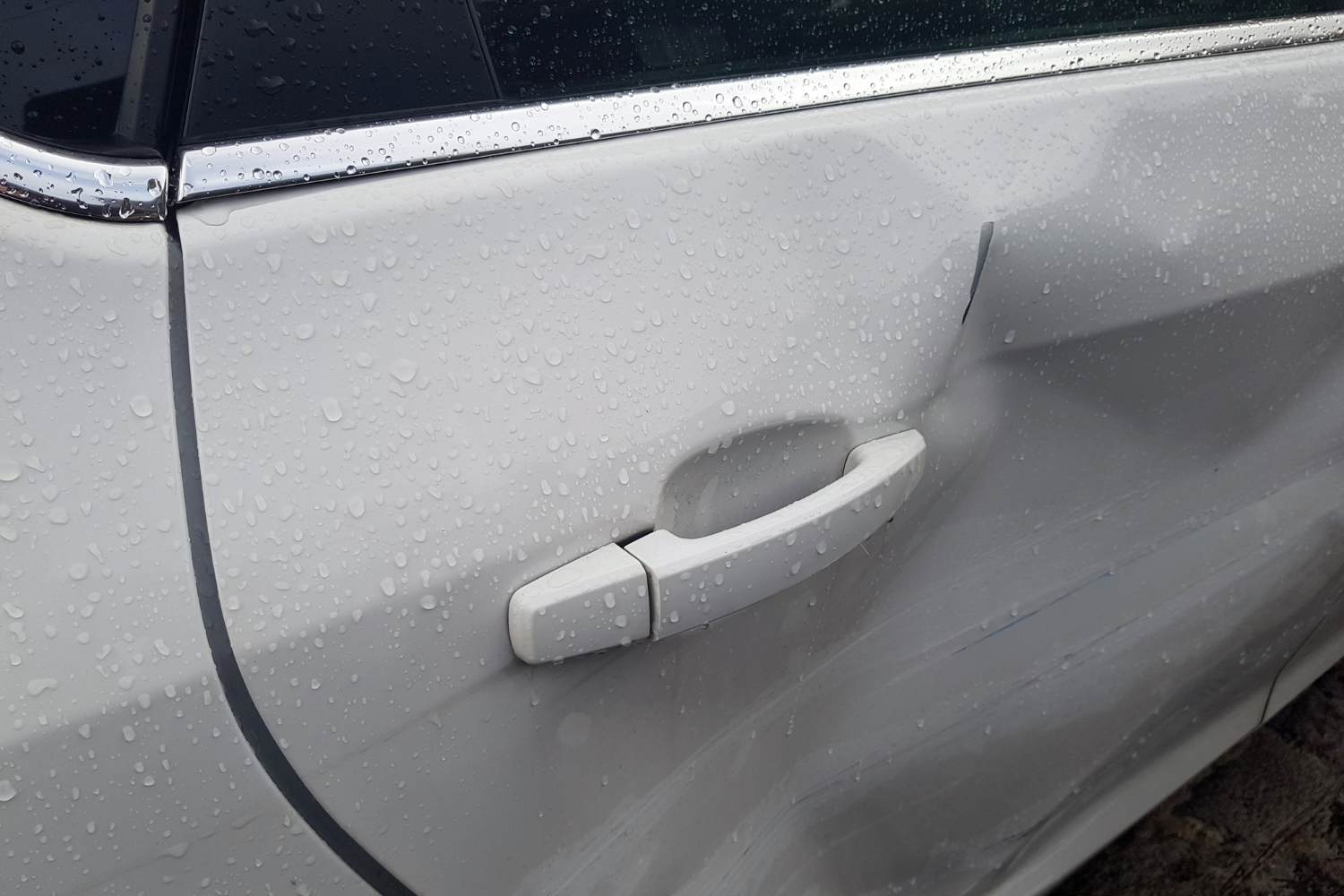
  • dents in doors, guards and tailgates
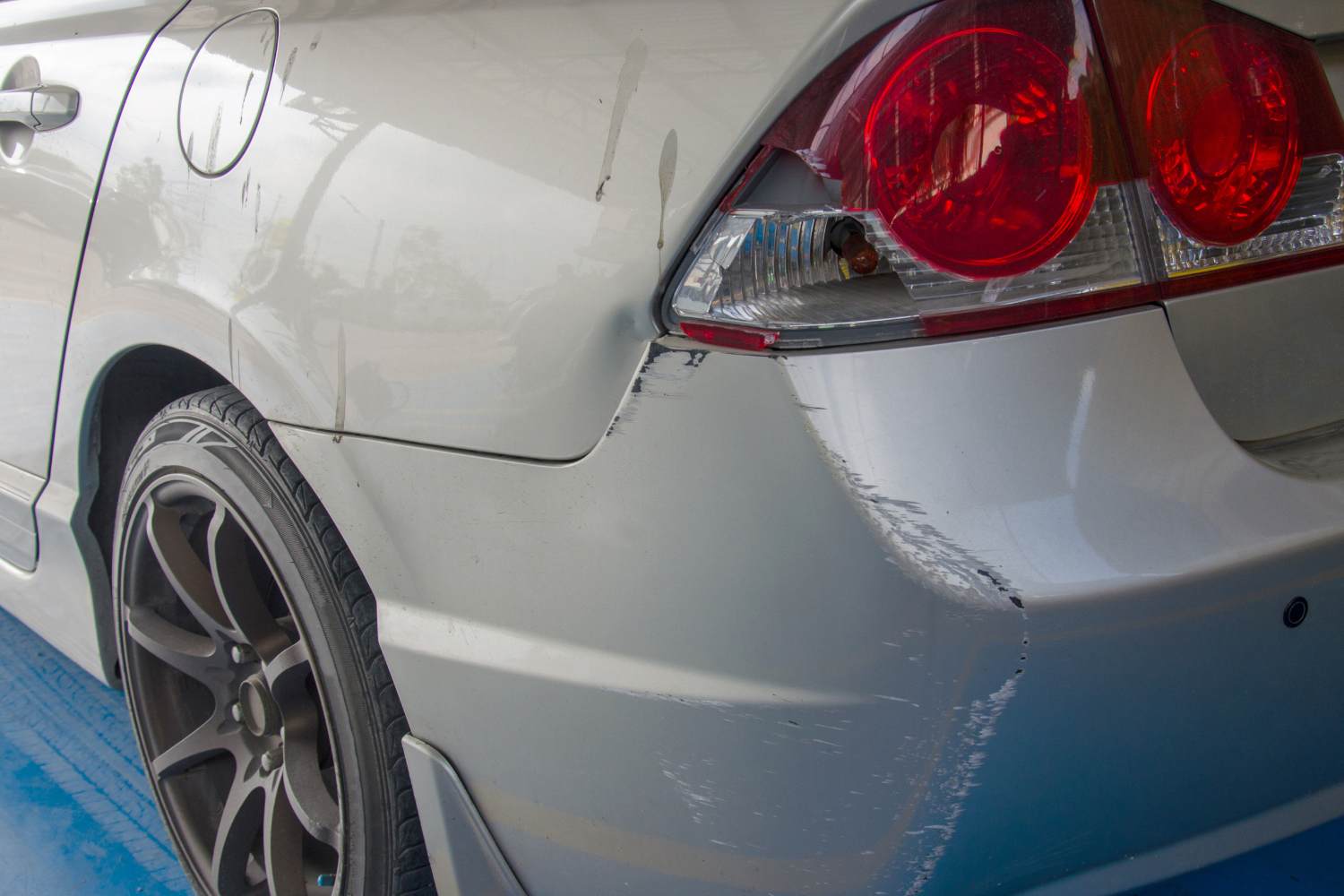
  • bumper scuffs and scrapes
  • shallow creases along outer panels
  • hail dents
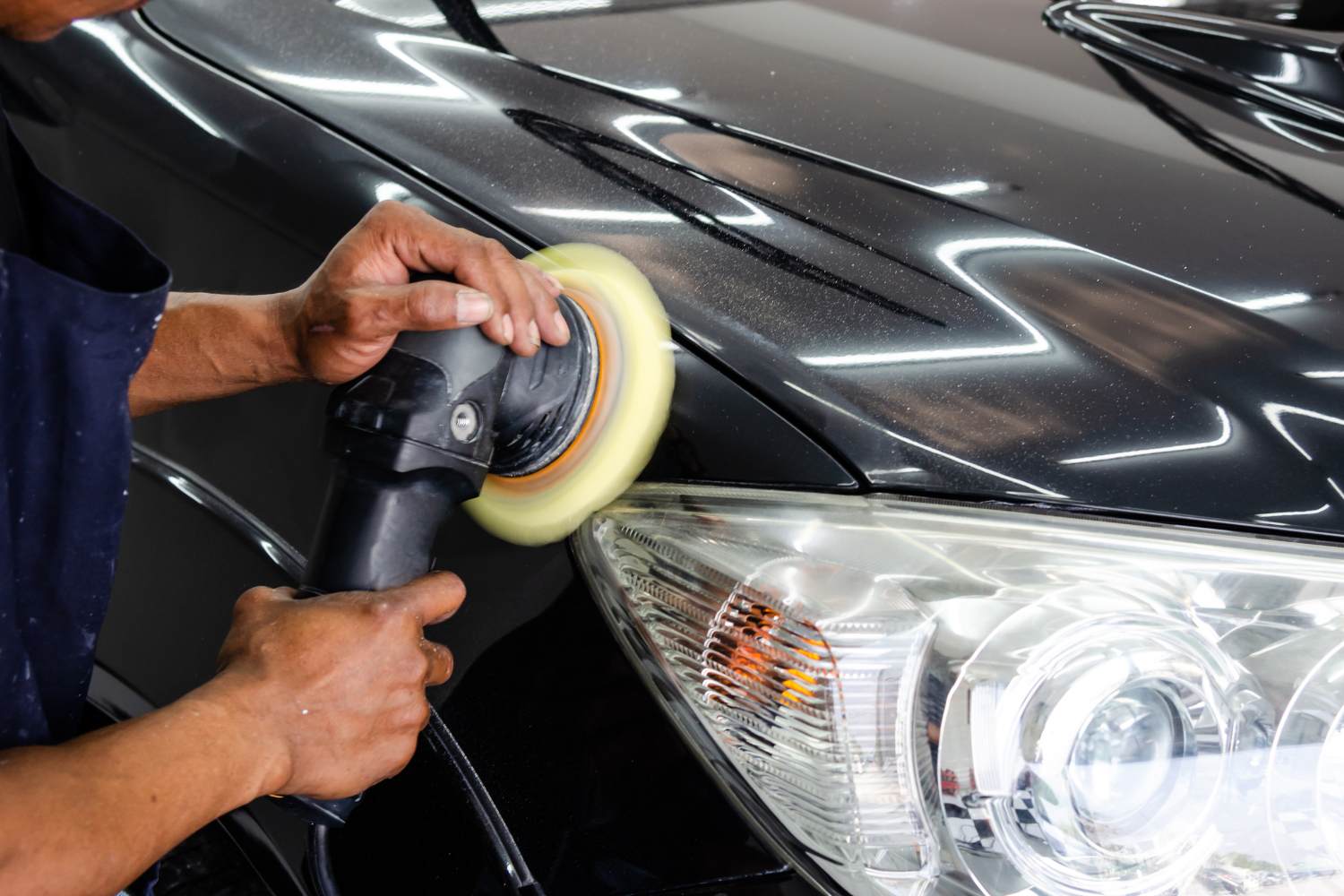
  • localised paint damage

What makes cosmetic repairs straightforward?

Cosmetic Issue Why It Looks Severe Why It Is Repairable
Deep crease in a guard Sharp fold in the panel Metal can be reshaped without structural impact
Cracked bumper paint Spiderweb cracks across surface Plastic can be repaired and repainted
Large dent in a door Panel pushed inward Outer skin absorbs the impact, structure stays intact
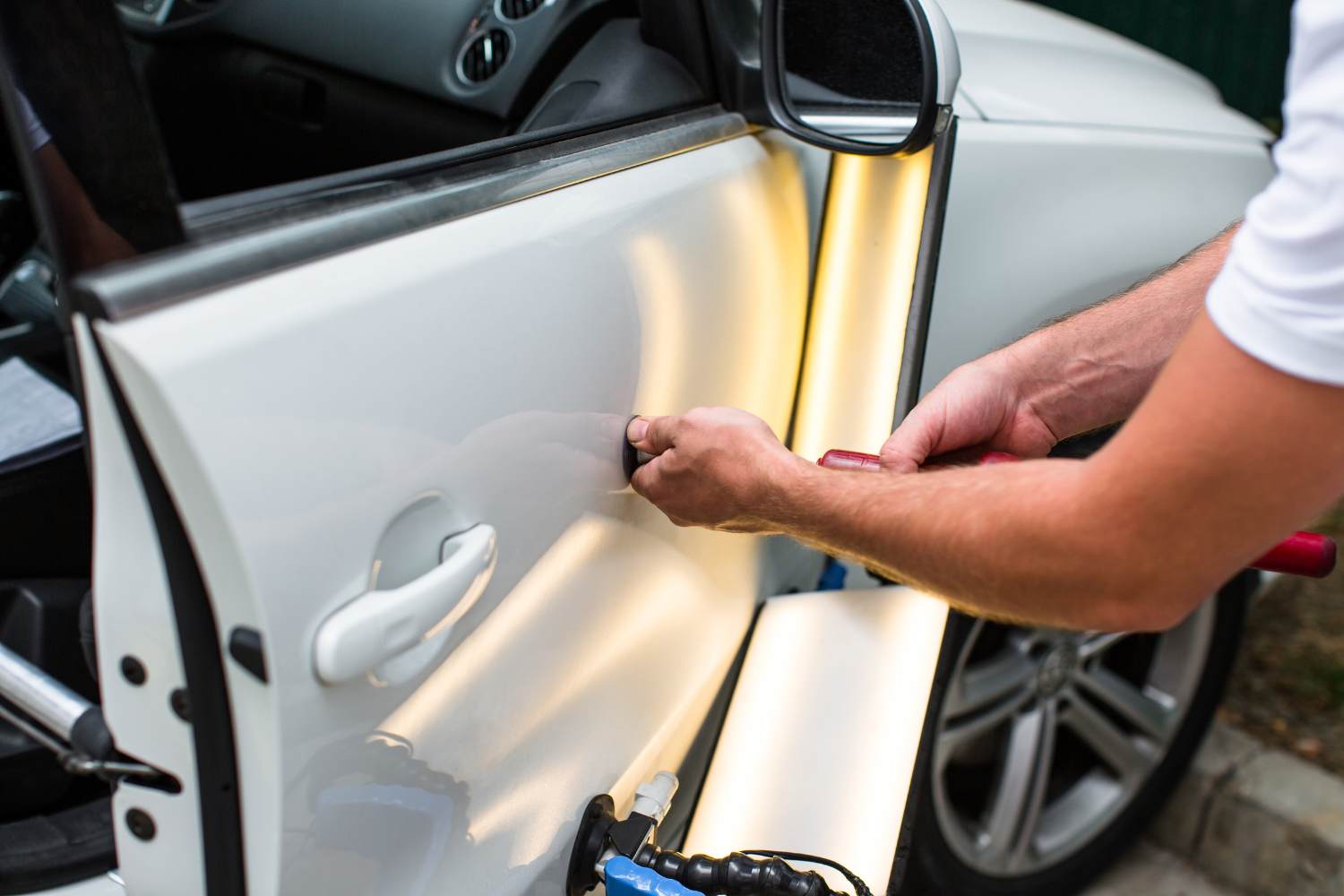
Hail dents Multiple dents across roof or bonnet PDR can remove dents without painting
Panels on modern cars are thin and flexible. They are designed to bend and absorb minor impacts. This means damage that looks alarming can often be repaired quickly and without major cost.

Damage that reaches the structure

When a collision pushes past the outer panels, the structure absorbs the force. Modern cars use complex combinations of high strength steel, aluminium and reinforced zones. Structural repairs require accuracy and specialist equipment.

Signs that structural areas may be affected

  • uneven bonnet or door alignment
  • doors that need extra force to close
  • distortions near the roof edge or pillars
  • buckling along sills
  • wheels sitting at unusual angles
  • alignment that cannot be corrected

Structural components that influence repair decisions

Structural Area What It Does Why Damage Matters
A and B pillars Protect cabin in a crash Even small distortion affects crash performance
Sills Support body strength Buckling can spread through the chassis
Chassis rails Carry impact load Must be perfectly aligned to original spec
Floor pan Releases crash energy Difficult to repair if crumpled
Inner guards Tie front structure together Damage affects wheel alignment and steering

When these areas move even a few millimetres, the safety of the vehicle changes. This is why structural repair requires precise measurements and skilled technicians.

Technology that complicates repairs

Modern vehicles contain many hidden sensors and safety devices. A small impact can disturb more than the outer panel.
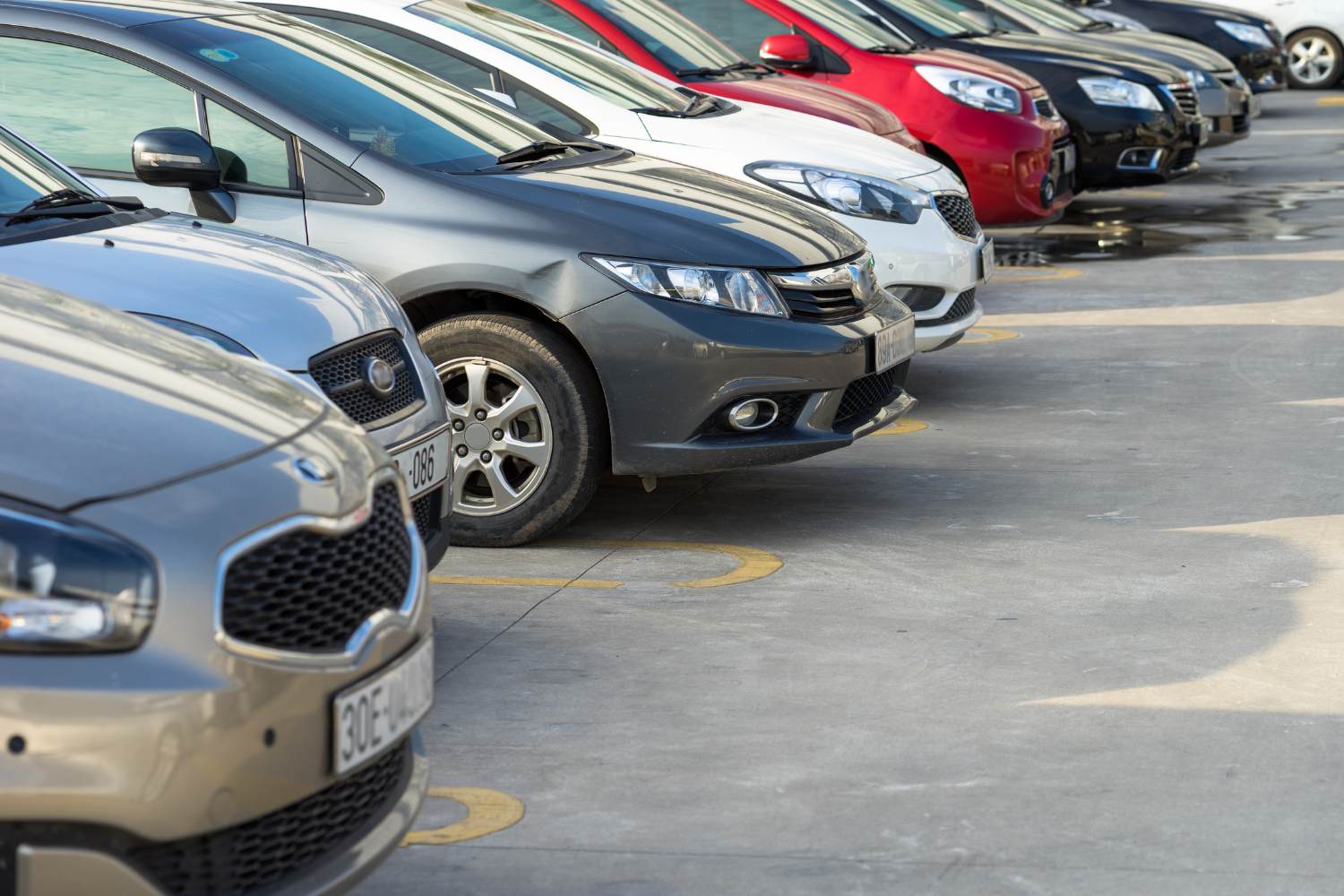
Systems often affected in even low speed impacts

  • radar units for adaptive cruise
  • parking sensors
  • lane keeping cameras
  • blind spot sensors
  • bonnet sensors
  • wiring looms behind bumpers
  • airbag modules and impact sensors

Why technology adds to the complexity

Component Typical Issue After Impact Required Action
Radar sensors Misalignment Calibration using specialised equipment
Cameras Obstructed or shifted Recalibration and testing
Bumper sensors Broken clips or mounts Replacement or remount
Wiring looms Stretched or pinched Inspection and repair
Even when the visible damage is minor, these systems must be checked and reset. This is essential for the car to drive safely again.

When the repair cost approaches the replacement cost

A car becomes “too much to repair” when the cost of returning it to a safe, original condition gets close to the value of the vehicle.

Factors that push repair cost higher

  • structural involvement
  • multiple damaged panels
  • complex repainting
  • sensor and calibration requirements
  • high parts and component cost
  • difficulty sourcing specific parts
  • older vehicles with lower market value

Typical cost relationships

Situation Repair Outcome
Cosmetic damage only Usually cost effective
Structural repair plus paint Cost rises sharply
Structural damage plus sensors Often approaches car value
Older car with high labour cost May become uneconomical
This explains why some cars that look lightly damaged are written off, while others that look worse can still be salvaged.

Why insurers sometimes write off repairable cars

Insurance decisions are based on cost and risk, not on appearance. If the estimated repair cost gets close to the insured value, the insurer will declare the vehicle a write off.

Why might insurers may write off a repairable car?

  • repair cost exceeds write off threshold
  • uncertainty about hidden structural damage
  • high cost of parts or calibration
  • extended repair time
  • limited market value
This is why a panel shop may be able to repair a car that an insurer has chosen not to.

What drivers can check before seeking a repair quote

These checks can help drivers understand whether the damage is likely to be simple or more complex.

Practical checks drivers can perform

  • panel gaps around doors, guards and bonnet
  • ease of opening and closing doors
  • wheel alignment and steering feel
  • visible cracks in paint or plastic
  • warning lights that appear after the impact
  • unusual sounds or rubbing from wheels
None of these replace a professional inspection, but they point to the scale of repair needed.

Most cars can be repaired safely with the right process

Outer damage is often the least important part of the job. The real decision sits behind the panels, where structure, materials and safety systems work together. When a workshop uses the correct methods and equipment, many damaged cars can return to the road safely. Understanding what sits beneath the surface helps drivers see why some repairs remain straightforward and why others require more precision and time.

Smash Repairs Richmond
trading hours
  • MONDAY - FRIDAY
    8:00 AM - 5:30 PM
  • SATURDAY
    BY APPOINTMENT
  • SUNDAY
    CLOSED
© 2026 AUTOMOTIVE PANEL SERVICES. ALL RIGHTS RESERVED | ABN: 51 692 729 043