Smash Repairs Richmond

Why modern cars cost more to repair than you expect 

Most drivers expect a repair bill to reflect what they can see on the outside.

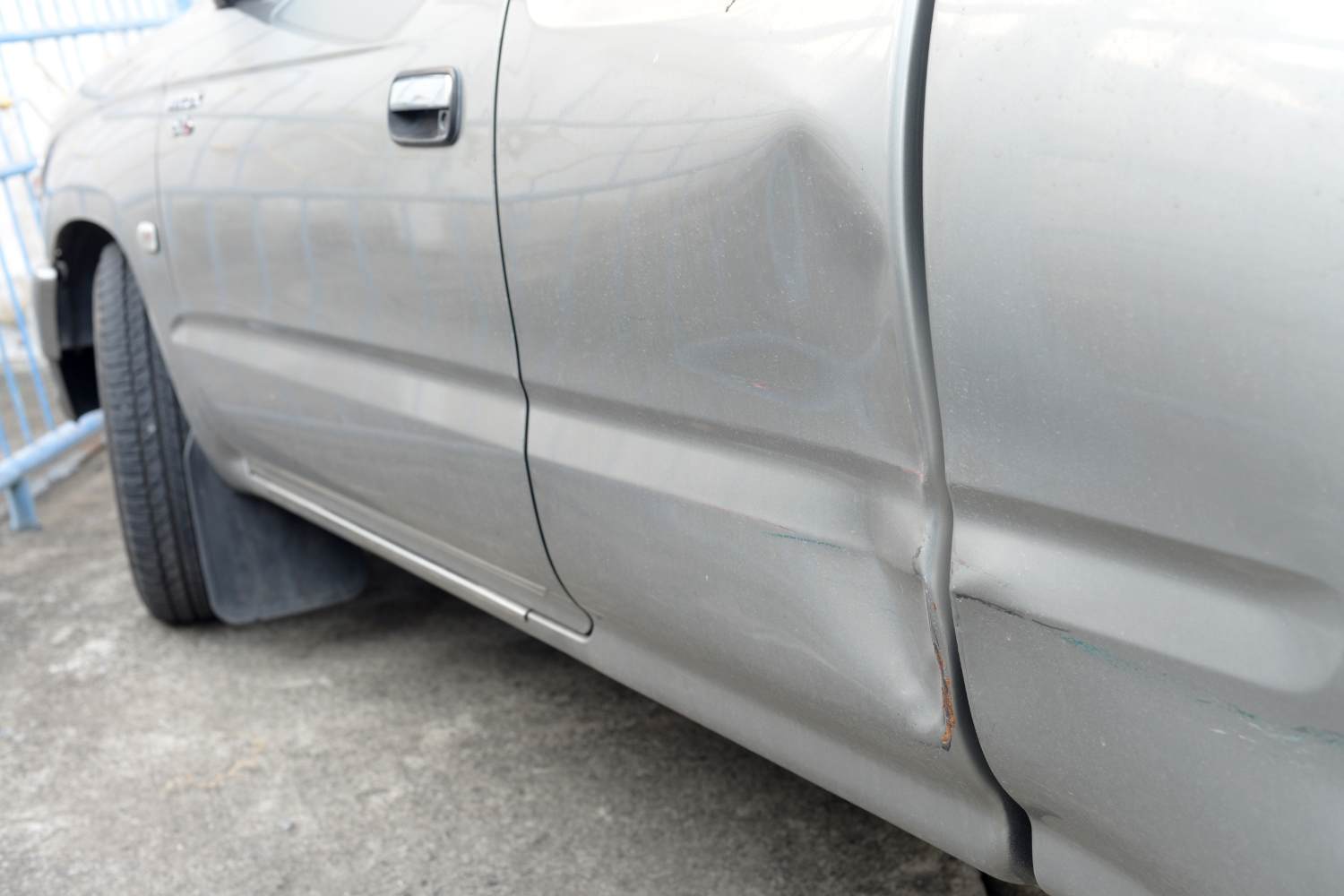
A dented bumper looks simple. A cracked headlight looks straightforward. A crease in a guard looks like a few hours of work. In older cars this was often true. In modern vehicles it rarely is. Behind every painted surface now sits an interconnected mix of sensors, materials, safety systems and electronics that all play a role in even the smallest repair.

Modern repair costs are shaped by what the industry calls hidden complexity. It does not show up in photos. It does not reveal itself in a quick walk around the car. It becomes clear only when technicians uncover the layers behind the damage.
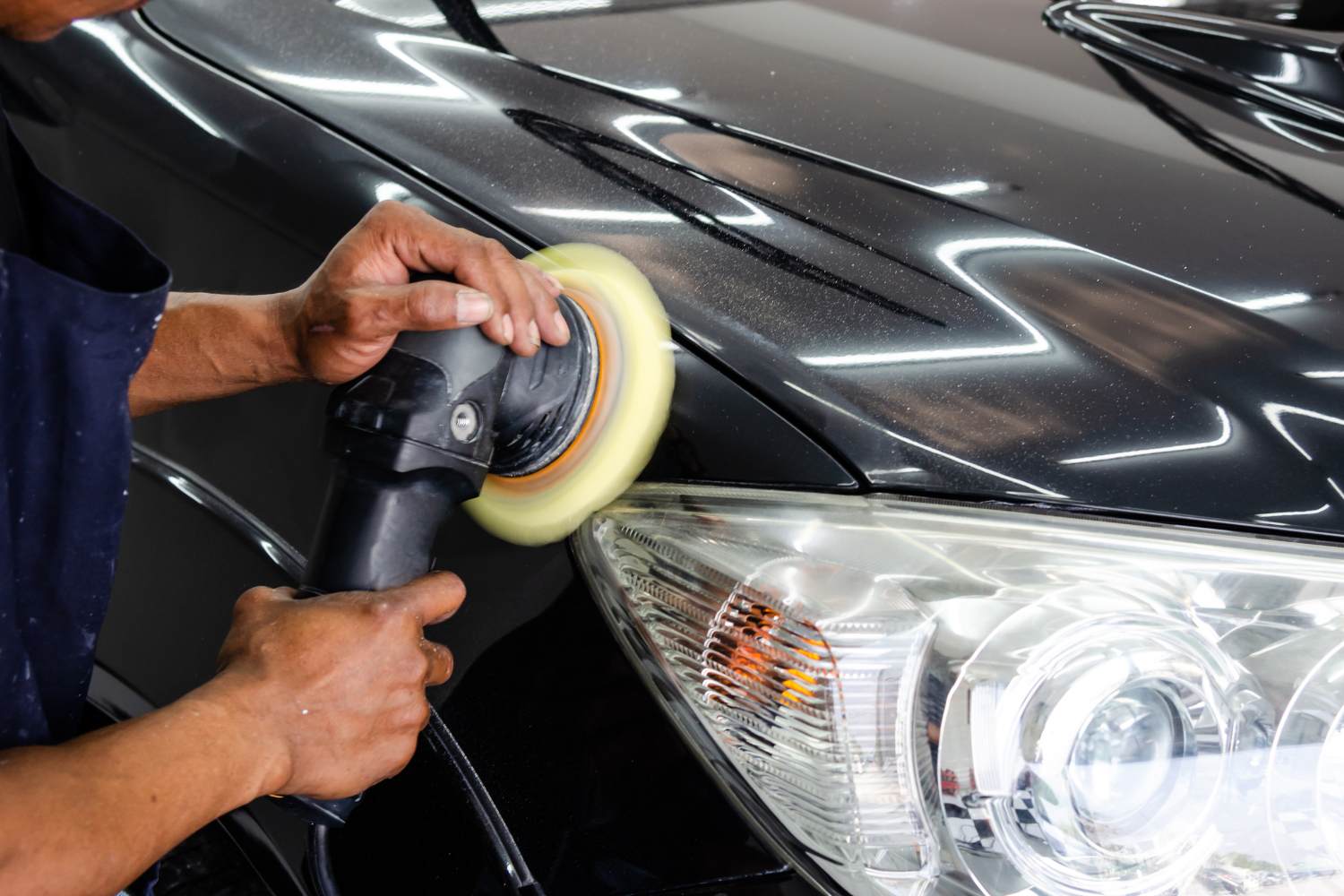
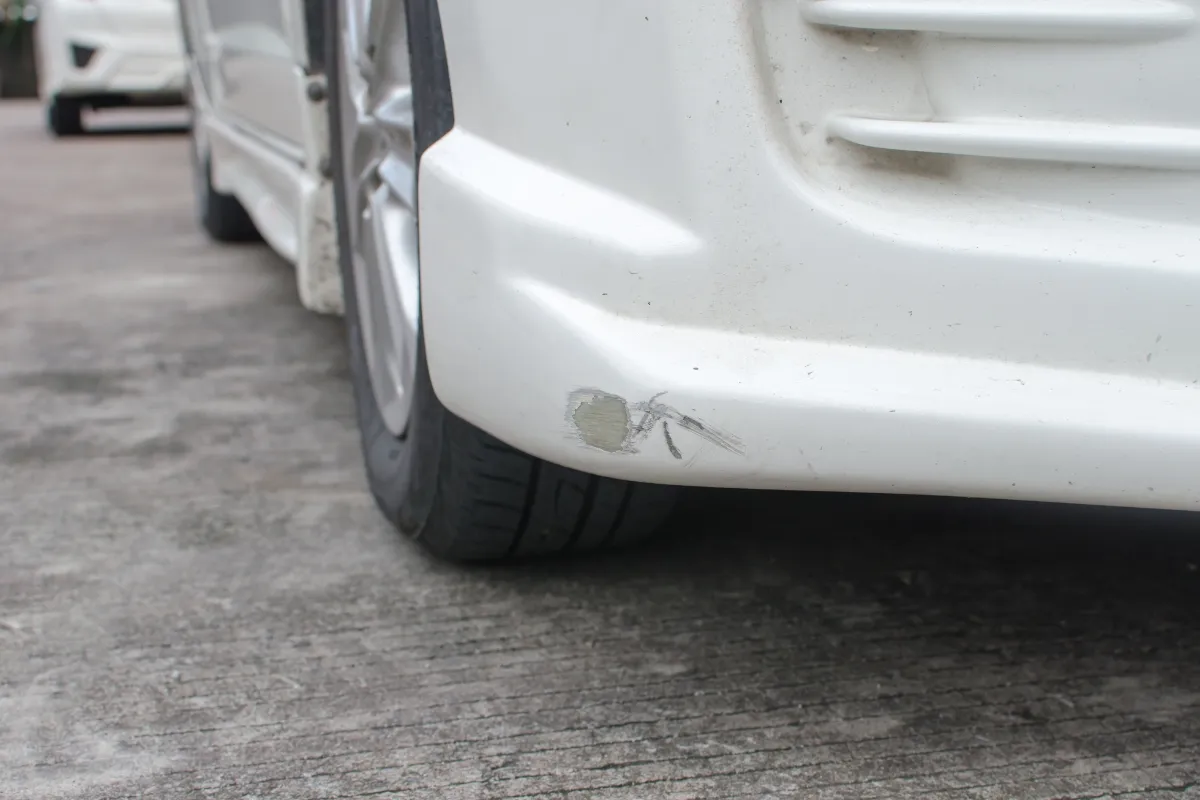
The materials on new cars are very different from the past

Car bodies used to rely on mild steel. It was predictable, easy to straighten and easy to weld. Today almost every model uses a mix of high strength steels and lightweight alloys, each with its own rules.

Common materials found in modern body structures

Material Why It Is Used Why It Costs More To Repair
High strength steel Improves crash performance Cannot always be heated or reshaped
Ultra high strength steel Protects passengers in core zones Requires precise section replacement
Aluminium Reduces weight Needs specialist equipment and isolation
Plastic composites Used in bumpers and guards Often needs plastic welding or replacement
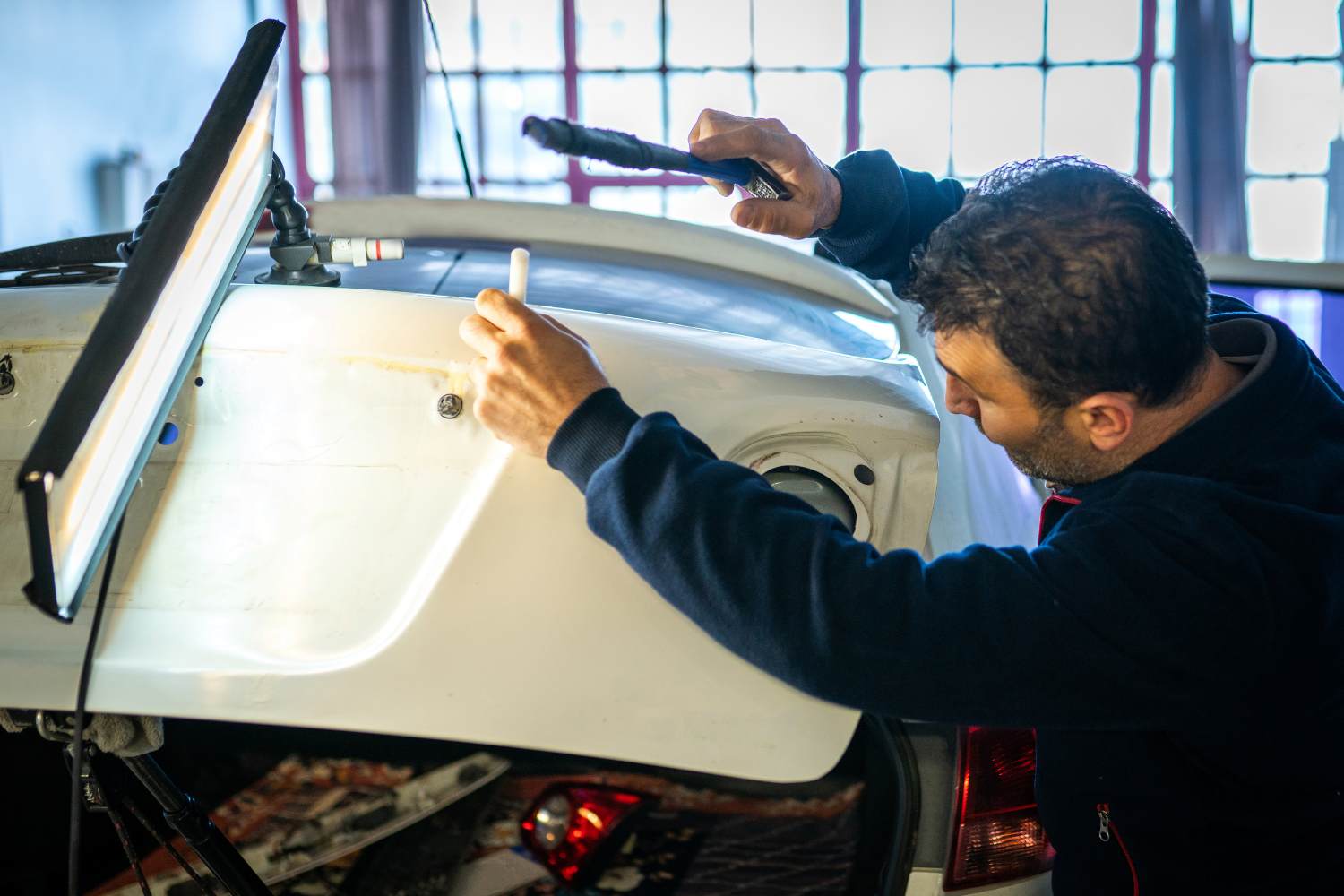
A section that could once be straightened now may need to be replaced. Shops must follow specific repair procedures because the wrong method can weaken the safety structure.

Safety systems sit directly behind the panels

Many people assume sensors live in the dashboard. In reality, most of them sit around the outer shell of the vehicle. A tap to the front bumper can disturb far more than the bumper itself.

Systems affected even by low speed impacts

  • radar for adaptive cruise control
  • cameras for lane assistance
  • blind spot sensors
  • proximity sensors
  • wiring looms
  • bonnet safety sensors
  • parking sensors
  • airbag impact sensors

Why this increases repair time

Component Issue After Impact What Technicians Must Do
Radar units Shifts a few millimetres Recalibrate using alignment boards
Cameras Angle changes Reset using manufacturer software
Bumper sensors Mounts break Replace or resecure and test
Wiring looms Stretched or pinched Inspect, repair or replace
Airbag sensors Interrupted signals Scan, clear faults and verify
Even when panel work seems simple, these systems must be checked and set up again to make sure the car returns to a safe operating state.

Paint systems have become more advanced

Modern paint is not just colour. It is layered technology designed for durability, appearance and environmental standards.

What modern paint systems include

  • primers with corrosion resistance
  • basecoats with metallic or pearl effects
  • clear coats with UV and scratch resistance
  • multi layer colours with tinted clears
  • ceramic or hard clear options on some models

Why this increases cost

  • tight colour matching requirements
  • need for controlled booth environments
  • longer paint curing times
  • increased sanding and preparation
  • extra blending on surrounding panels
A small repair can require blending across multiple panels to make the colour look seamless.

Invisible damage is becoming more common

A bumper might pop back into place and look almost untouched, but modern cars often hide damage below the surface.

Examples of hidden damage technicians look for

  • broken plastic mounts behind bumper skins
  • impact absorption foam that has compressed
  • cracked internal brackets
  • kinked crash bars
  • misaligned reinforcement beams
  • plastic components weakened by stress marks
Visible Condition Possible Hidden Issue
Small bumper dent Damaged radar bracket
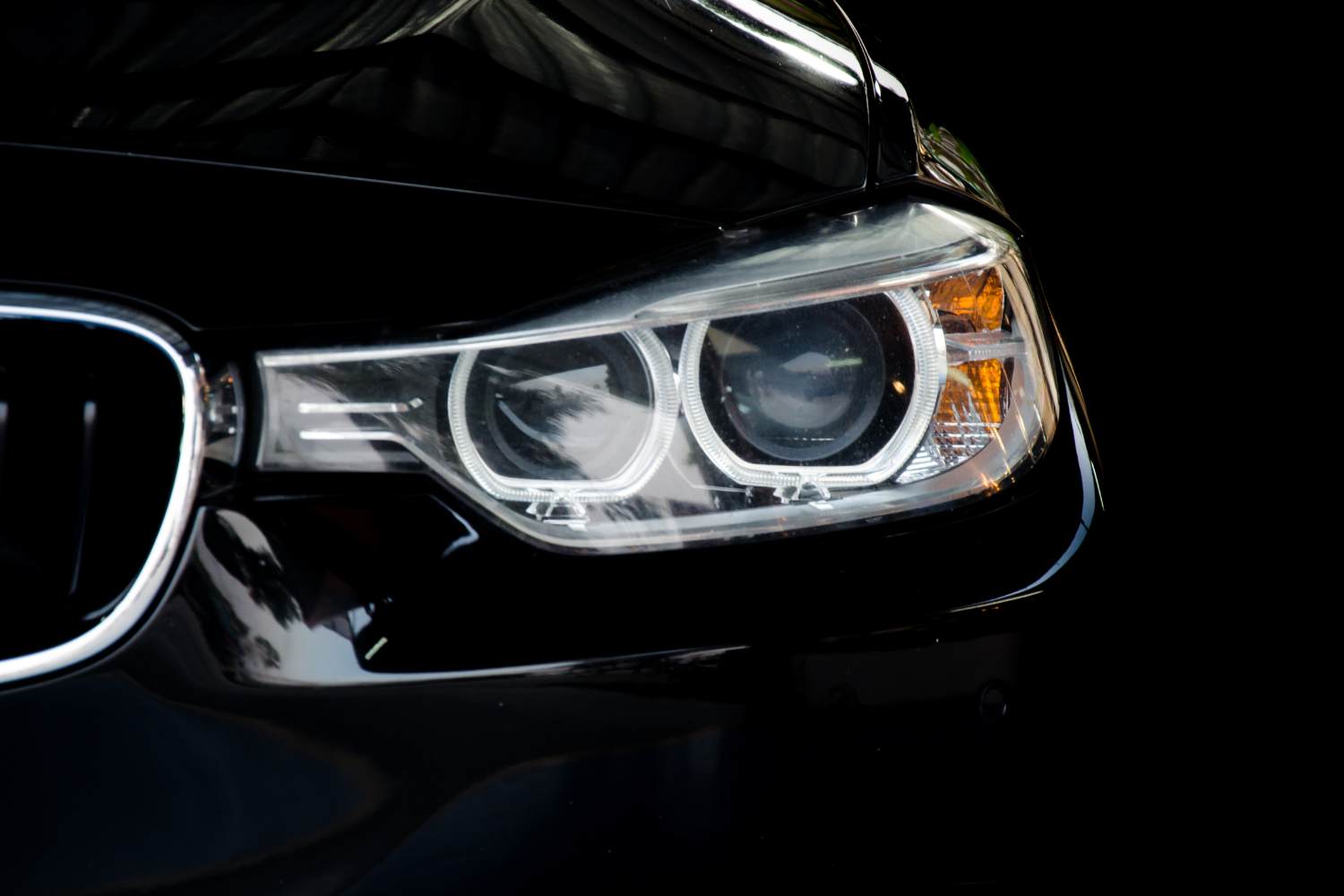
Slight headlight scuff Broken internal mounting
Minor front corner hit Disturbed sensor alignment
Low speed parking impact Cracked absorber foam
These parts do not show up in a quick photo taken for an insurance quote. They appear only once the bumper or guard is removed.

Labour now includes digital procedures

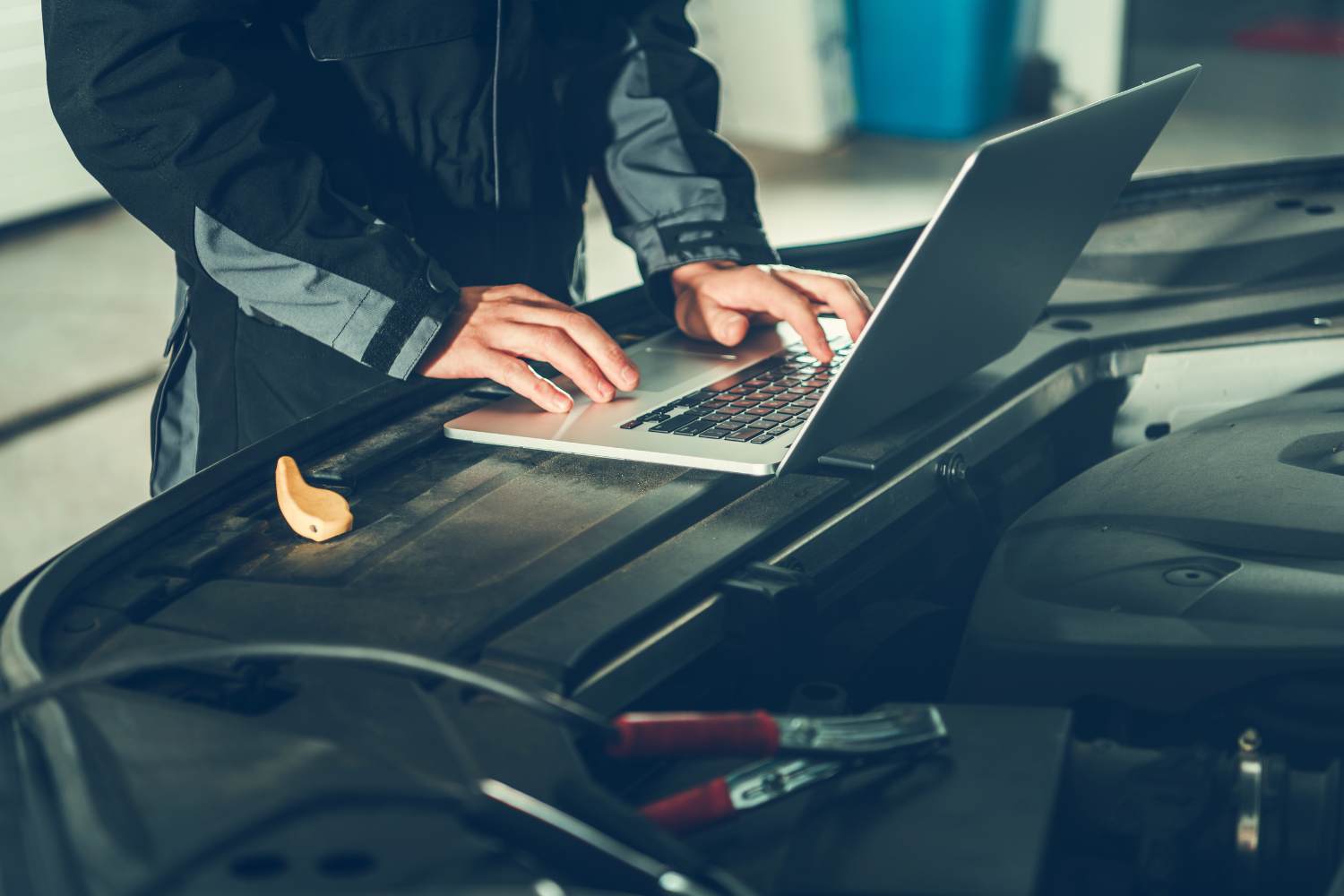
Repairing a car once meant panel beating and spraying. Now technicians handle:
  • electronic scanning
  • ADAS recalibration
  • diagnostic fault clearing
  • module resets
  • coding of new components
  • software updates
  • post repair verification
These steps are required because vehicle systems need to recognise the changes made during the repair.

Parts availability can influence the final cost

Many modern cars use brand specific or model specific components that cannot be substituted. Some need to be sourced from interstate or overseas. Delays increase time and cost, especially when safety systems rely on exact replacement parts.

Examples:
  • bumpers with integrated sensor mounts
  • headlights with built in control modules
  • grilles with radar windows
  • crash bars unique to certain trim levels
  • alloy panels that require OEM replacements
Shops often have no choice but to use genuine parts to maintain the integrity of the repair.

Repairs cost more because the cars themselves have become more advanced

Modern cars are safer, more efficient and more comfortable than ever. The trade off is complexity. Behind a simple dent can sit layers of structure, electronics and materials that all need attention. When technicians return a damaged vehicle to a safe and reliable state, they are working with a system, not just a panel. That is why the cost of repair often reflects far more than what the eye can see.

Smash Repairs Richmond
trading hours
  • MONDAY - FRIDAY
    8:00 AM - 5:30 PM
  • SATURDAY
    BY APPOINTMENT
  • SUNDAY
    CLOSED
© 2026 AUTOMOTIVE PANEL SERVICES. ALL RIGHTS RESERVED | ABN: 51 692 729 043