Smash Repairs Richmond

What Happens in the First 24 Hours After a Collision? 

A collision leaves most drivers unsure about what should happen next.

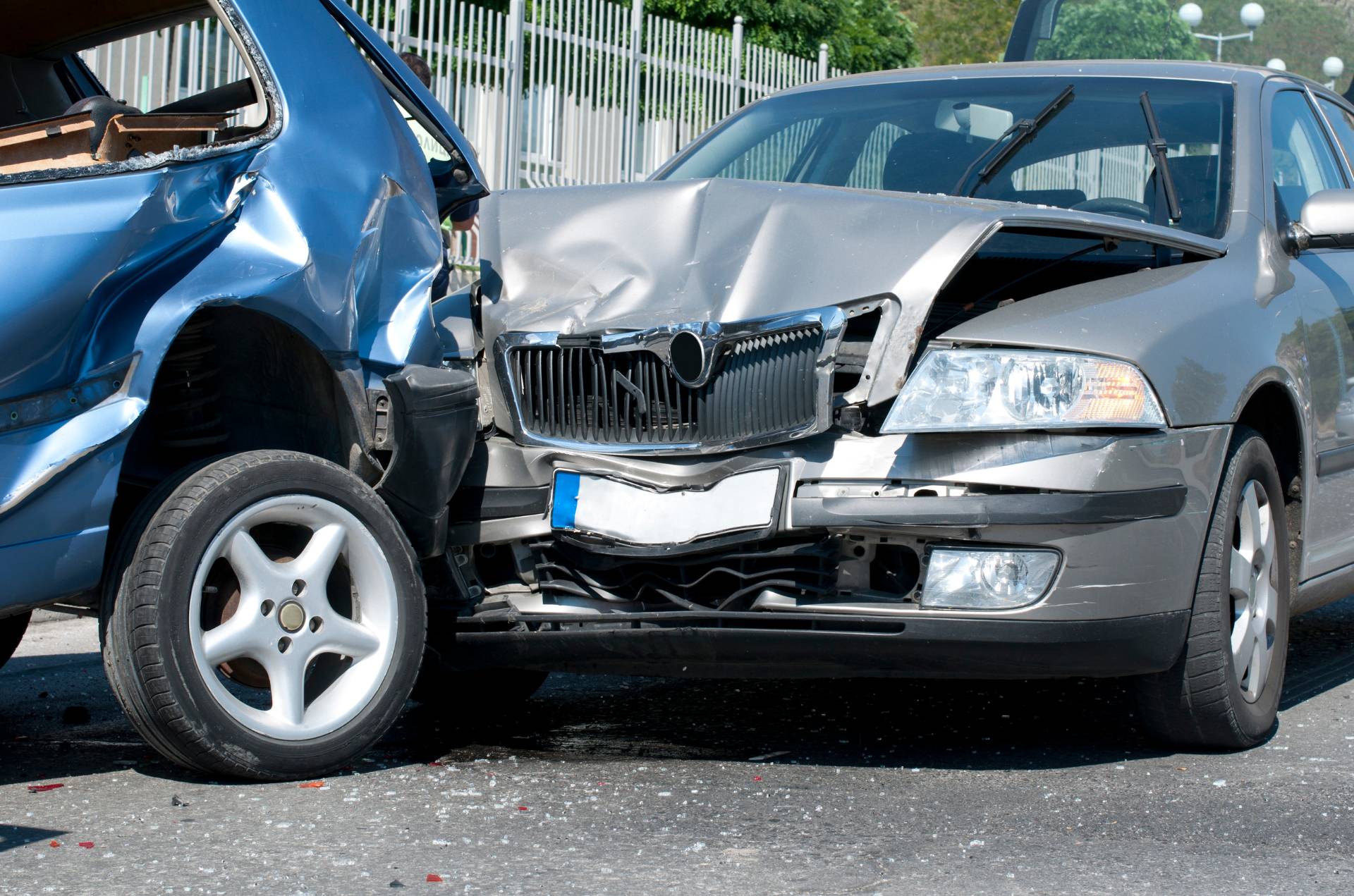
The first hours are a mix of safety checks, paperwork and early assessments that shape the entire repair process. Even a low speed impact can require careful handling because modern vehicles rely on systems that respond defensively to damage. Understanding the sequence of events helps drivers stay calm and make decisions that protect safety and repair outcomes.

In Victoria, those early steps are broadly the same whether the vehicle is lightly damaged or needs more extensive work. The difference comes down to what the car can tell you when you stop and take stock.

The first minutes: making the scene safe

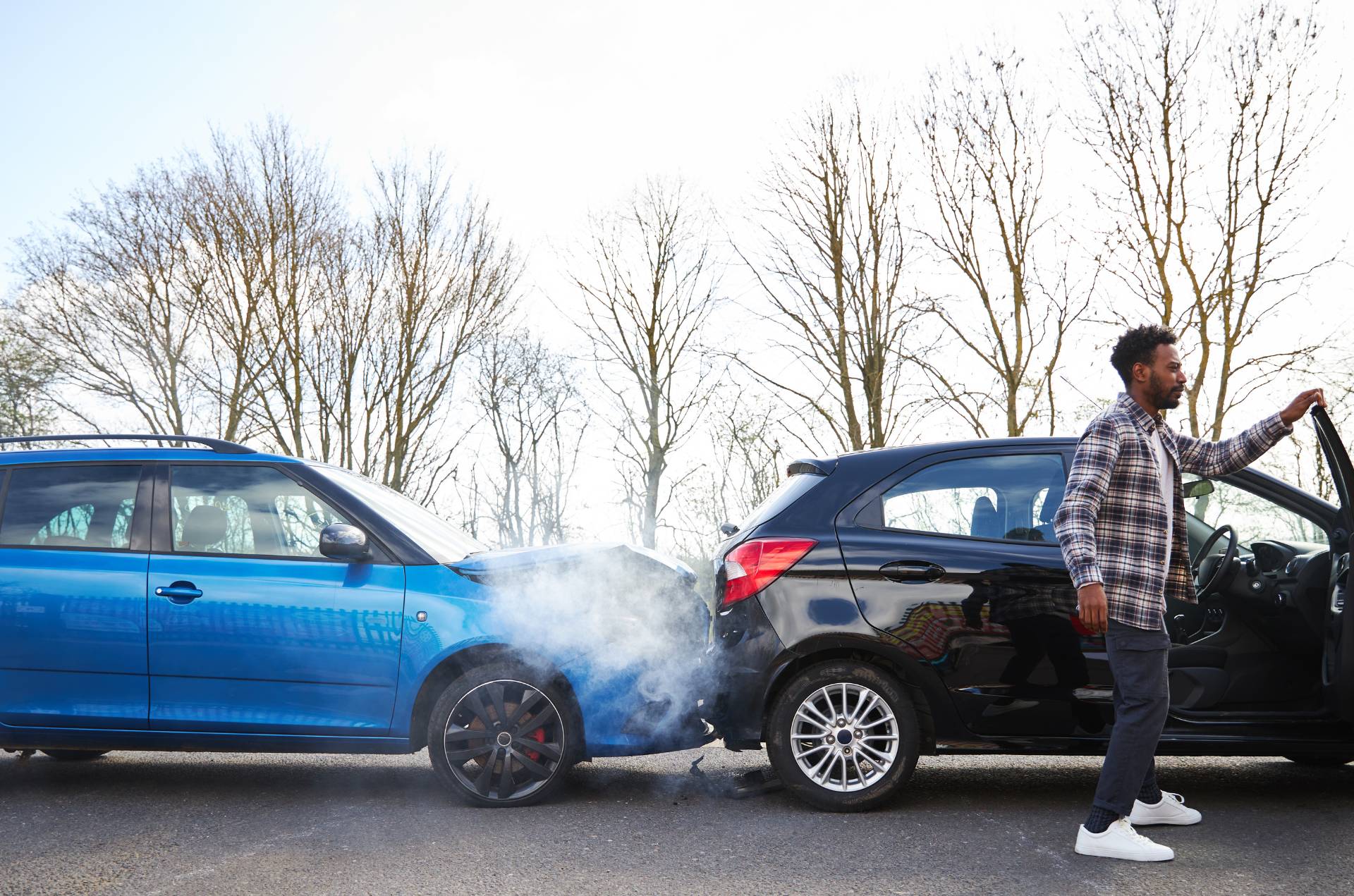
Drivers usually begin by checking that everyone involved is unhurt. The next step is making sure the car is safe to approach. Hazards can include:
  • leaking fluids such as coolant or oil
  • smoke coming from the engine bay
  • wheels pushed against guards
  • lights hanging loose
  • a bonnet or boot that no longer latches
If any of these appear, the car should not be driven. Moving it can worsen the damage or create new risks. When the vehicle cannot be moved safely, a tow is arranged through roadside assistance, a tow operator or the insurer.

Recording what happened

Most drivers now use their phone to collect basic details. This usually includes:
  • registration numbers
  • photos of the vehicles and the position of impact
  • contact details for other drivers and witnesses
  • location, time and road conditions
These notes become important later when the insurer or repairer assesses the claim. They also help clarify how the impact occurred, especially if the initial shock makes it hard to recall details later.

Contacting the insurer

The insurer is normally contacted within the first few hours. They issue a claim number and outline what is needed next. This step does not approve repairs. It simply records the incident and starts the administrative process. The insurer may also confirm whether towing, assessment or temporary transport is covered.

Some drivers prefer to speak with a repairer first to confirm whether the car is drivable. Both approaches are common. The key point is that repairs on an insured job cannot begin until authorisation is granted.

The repairer’s first look

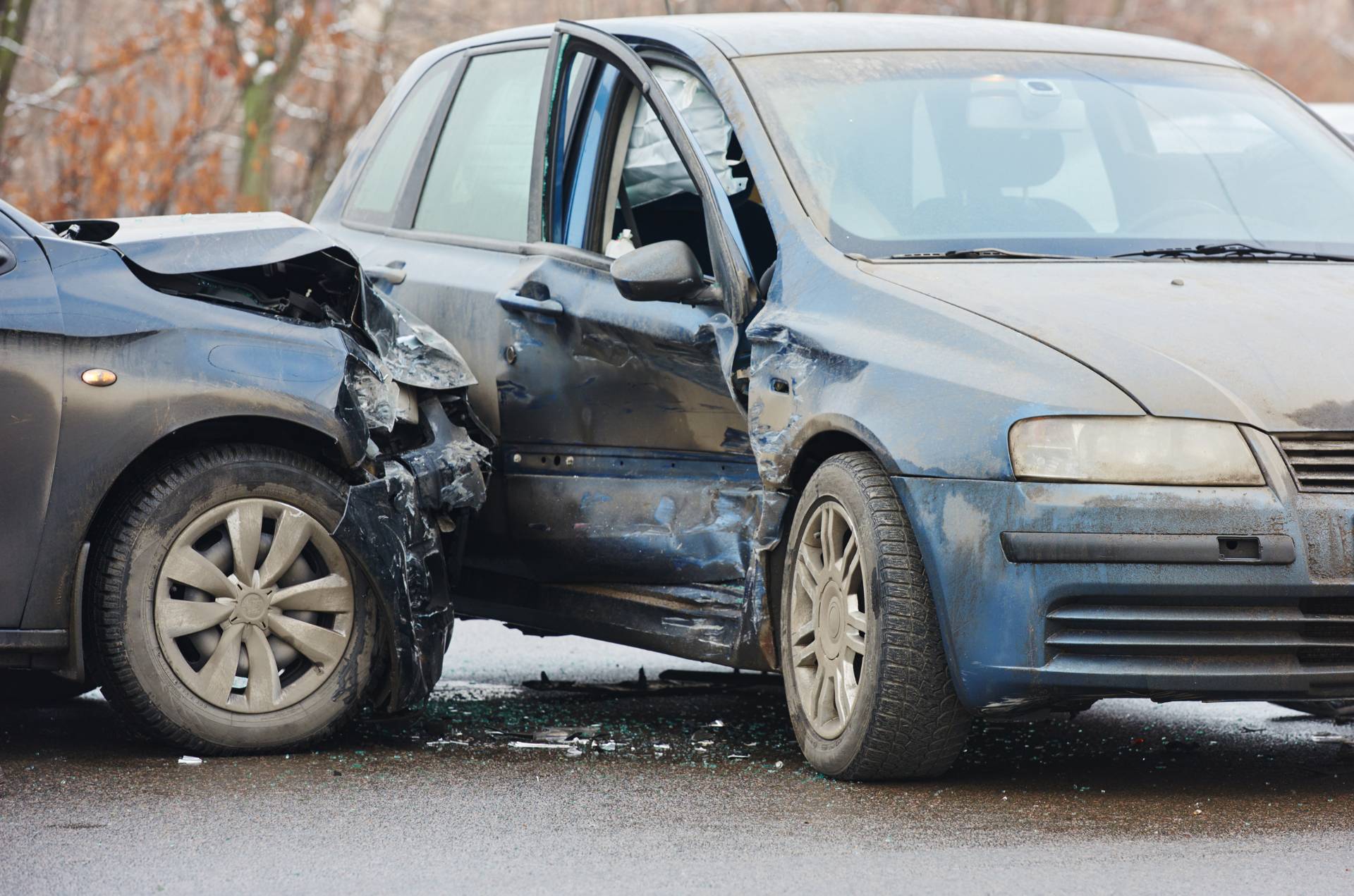
When the car reaches a workshop, the team carries out an initial inspection. This is not the full structural assessment. It is a visual overview that helps determine:
whether the car is safe to move around the workshop
whether further damage is likely underneath panels
whether sensors, lights or cooling systems have been affected
whether alignment or wheel movement is compromised
This stage influences what the insurer sees during the formal quoting process. Many drivers are surprised by how often hidden damage appears once panels are removed. Modern vehicles rely heavily on integrated components, which means a small exterior hit can mask a deeper issue.

When a car can still be driven

Some vehicles remain drivable after a collision, but only if essential systems are intact. Drivers usually check:
  • that all lights still function
  • that no warning lights appear immediately
  • that the steering feels normal
  • that no scraping or rubbing is heard when the car moves
  • that the bonnet and doors close securely
Even then, it is only a temporary measure. A car that appears fine may still have alignment issues, weakened brackets or sensor faults that need attention. Repairers often advise limiting driving until a full inspection is completed.

The first formal steps toward repair

Across the first 24 hours, the repairer prepares notes and images for a proper quote. This is the foundation of the job. Insurers use this information to decide:
  • whether the vehicle should be repaired
  • whether extra inspection is required
  • how long the job is likely to take
  • whether genuine, aftermarket or refurbished parts will be used
Nothing is dismantled until the insurer gives approval. This protects the owner and prevents disputes later.

What drivers often overlook

A collision sets off more than just panel damage. Early signs that the car needs careful handling include:
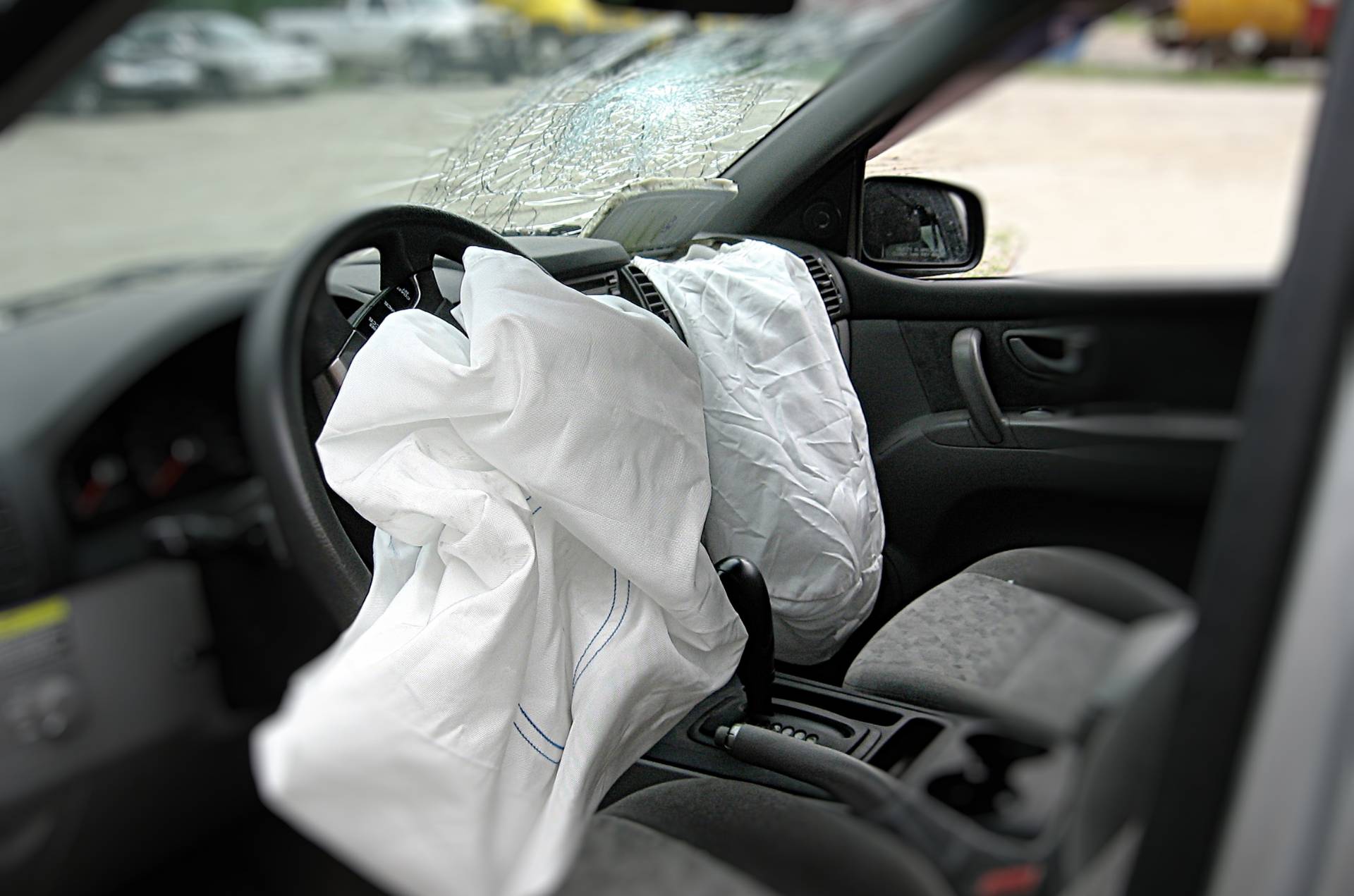
  • airbags that did not deploy but may have logged faults
  • compromised radiator support frames
  • loose wiring behind headlight assemblies
  • damaged plastic components that can break further with vibration
  • wheel alignment that shifts after the impact
These small details influence repair time and cost, which is why the first 24 hours focus on documentation rather than immediate fixes.

Why this early period matters

The first day after a collision shapes everything that follows. Good documentation leads to smoother insurer communication. Early hazard checks prevent further damage. Accurate first assessments reduce repair delays. By following a calm, structured approach, drivers make decisions that protect their safety and the quality of the final repair.

Smash Repairs Richmond
trading hours
  • MONDAY - FRIDAY
    8:00 AM - 5:30 PM
  • SATURDAY
    BY APPOINTMENT
  • SUNDAY
    CLOSED
© 2026 AUTOMOTIVE PANEL SERVICES. ALL RIGHTS RESERVED | ABN: 51 692 729 043