Smash Repairs Richmond

Can a car scratch be polished out? 

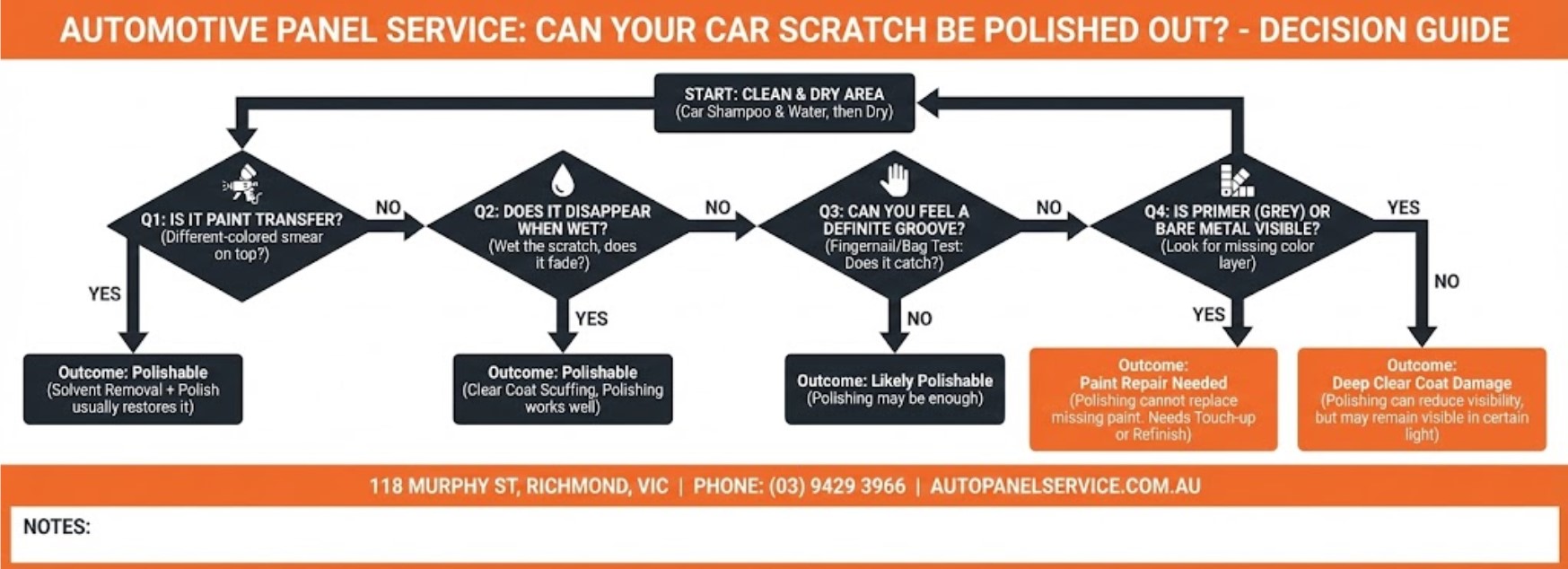
A scratch is not a single thing.

It is a location in the paint system where light is being bent differently. The trick is working out whether the damage is only in the surface layers, or whether it has cut through to colour, primer, or metal.

Most “scratches” people notice in Richmond carparks are one of three realities:

  • Paint transfer from another car or a pole. Your paint is mostly fine.
  • Clear coat scuffing that looks dramatic under streetlights, but is shallow.
  • Through-paint damage where polishing can make it look cleaner, but cannot make it disappear.
If you want an honest answer quickly, do the tests below in order. They are safe, and they stop you from wasting time polishing something that cannot be polished out.

A quick, safe test sequence

1) The clean-and-dry test
Wash the area with car shampoo and water, then dry it properly.

Why it matters:
  • Dirt fills scratches and makes shallow marks look deeper.
  • Water hides scratches temporarily. Drying reveals the real depth.
2) The fingertip test (with a plastic bag)
Put a thin plastic bag over your fingertip and gently run it across the scratch.
  • Feels smooth or barely catches: often polishable.
  • Catches clearly: more likely to be through clear coat, or deeper.
The bag amplifies surface texture, so you are not guessing based on shine alone.
3) The colour test
Look for any of these:
  • White or light grey line: often clear coat scuffing, or primer showing.
  • Body-colour is missing: through-paint.
  • A different colour smeared on top (blue on white, black on silver): paint transfer.
4) The “edge” test
Look at the scratch from different angles in strong light.
  • Soft edges that fade out: often surface scuffing and polishing responds well.
  • Hard, sharp edges: more likely to be a cut into the paint layers.
A phone torch helps. So does street lighting at night. If you have ever walked back to your car near Church Street and the mark looks twice as bad under the lights, that is usually surface texture and reflection, not necessarily deep damage.

What can be polished out and what cannot

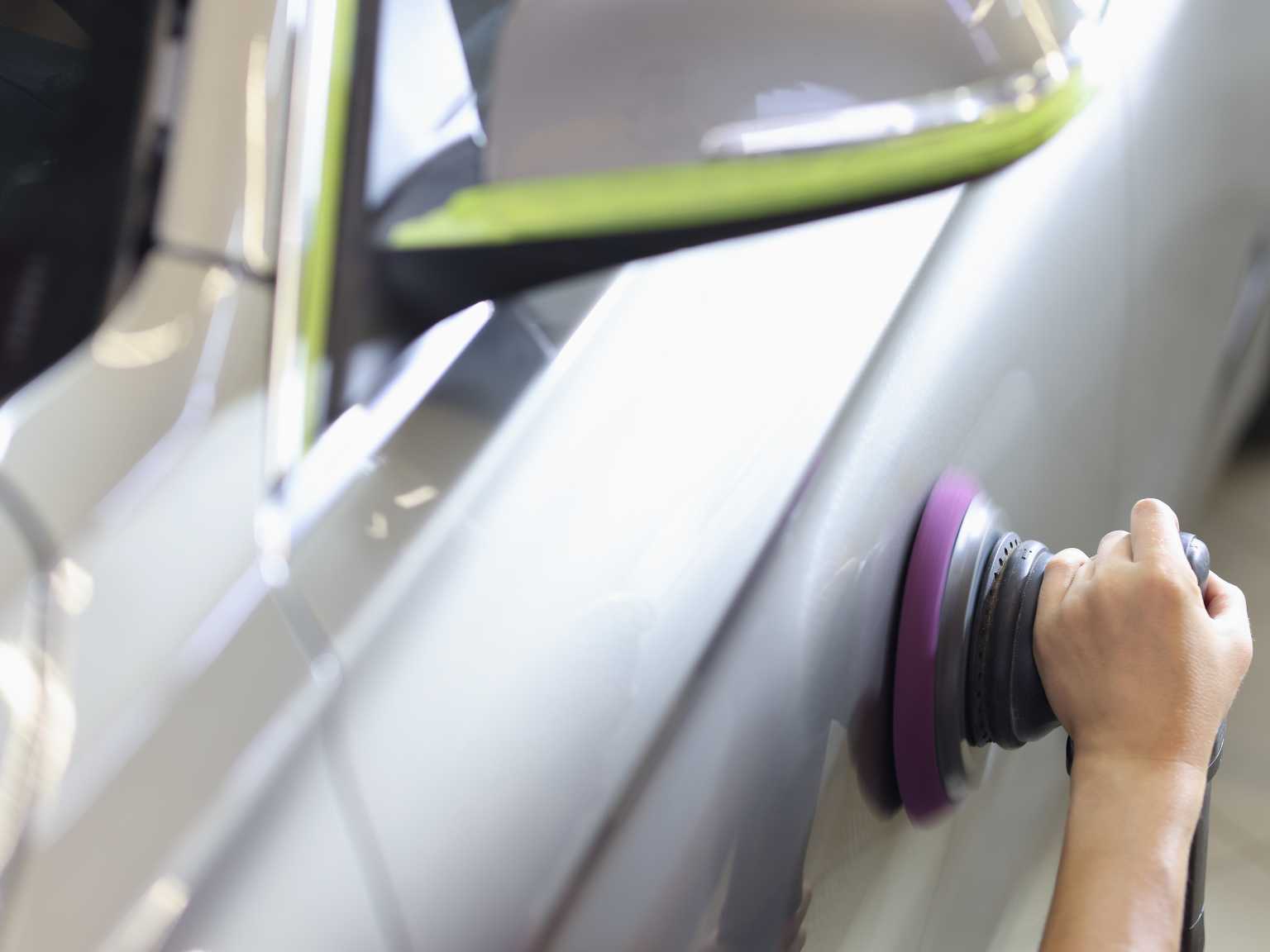
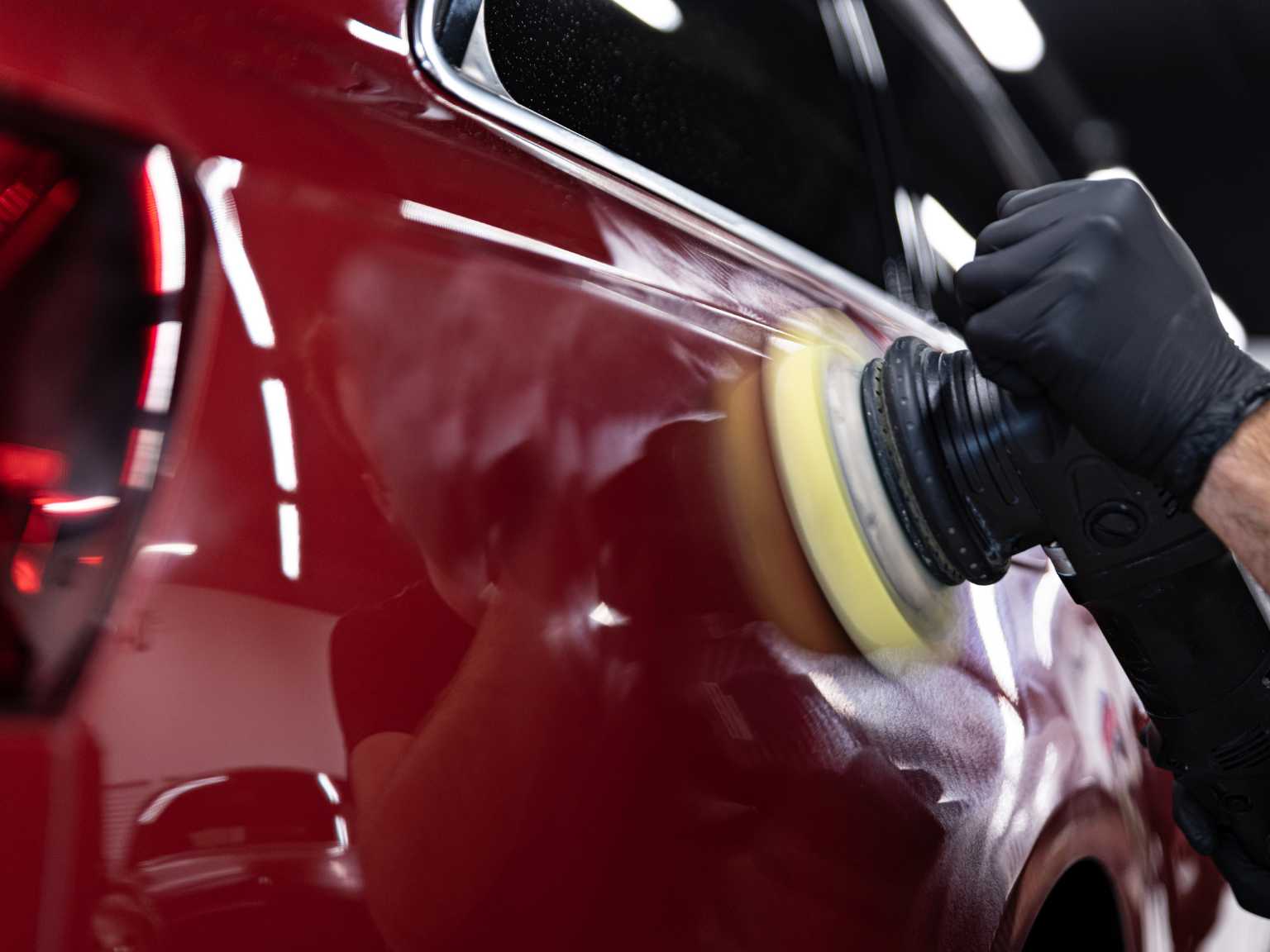
Polishing removes a microscopic amount of clear coat to level the surface so it reflects light evenly again. That means:
  • Polishing can fix surface defects.
  • Polishing cannot replace missing paint.
What you see What it usually is Can it be polished out? What typically works
A dull scuff that disappears when wet Clear coat scuffing Often yes Machine polish, sometimes with compound
Black streak on a light car, paint still looks intact Paint transfer Usually yes Solvent-safe removal, then polish
A sharp line you can feel with a nail Cut into clear coat or deeper Sometimes improves, often not perfect Polish may reduce it, touch-up may be needed
Body colour missing, primer showing Through colour layer No Touch-up and blend or panel repair and refinish
Bare metal visible Through all layers No Repair and refinish, rust prevention matters

Common situations and what usually makes sense

When the car reaches a workshop, the team carries out an initial inspection. This is not the full structural assessment. It is a visual overview that helps determine:

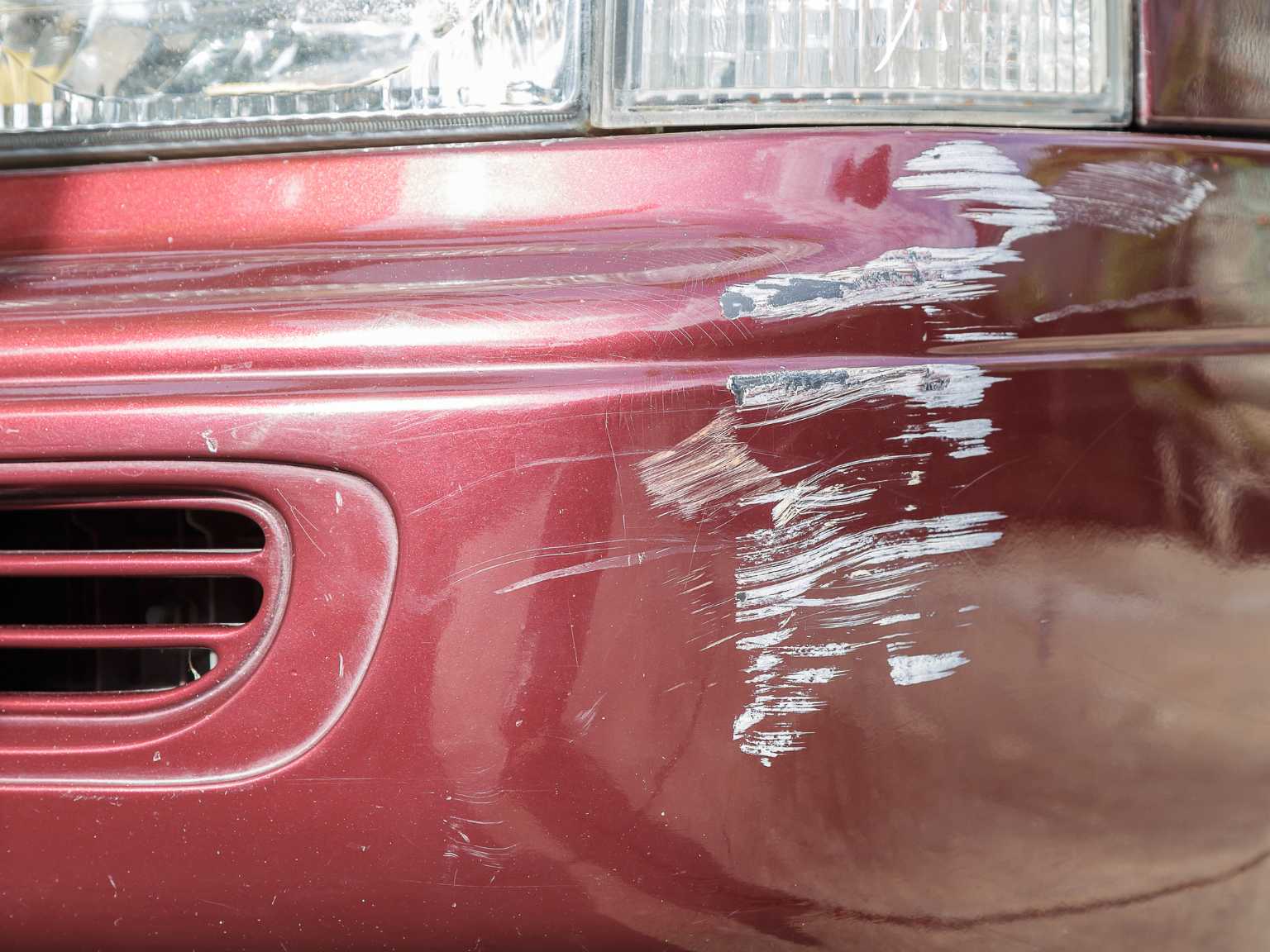
Carpark pole scuff on a bumper corner

Typical signs:
  • broad scuffing
  • some paint transfer
  • plastic bumper flexed but not cracked
Often:
  • transfer removal and polish can improve it dramatically
  • if the paint is broken through, the result depends on how much is missing and whether the plastic has gouged

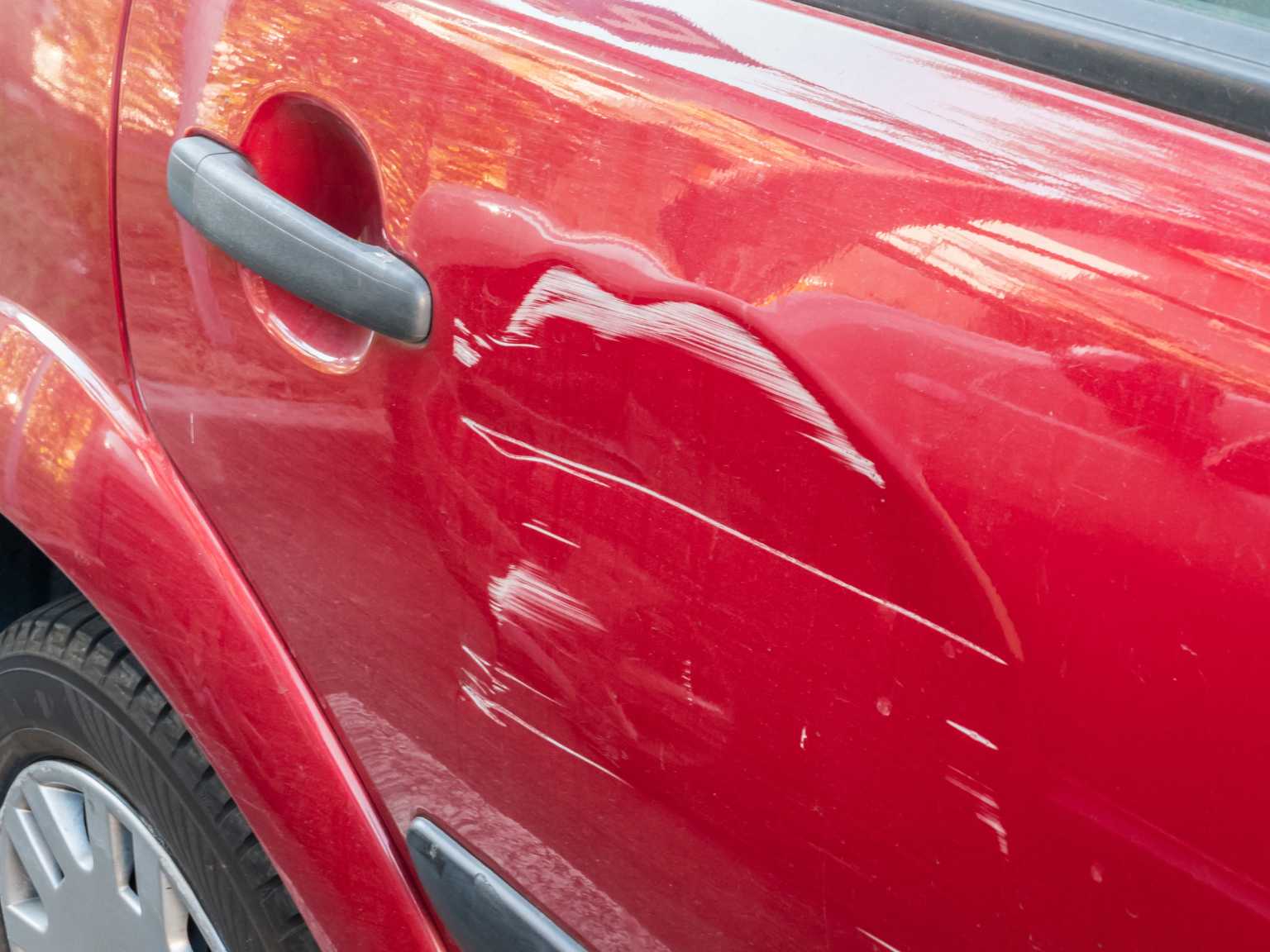
Door edge scratch from tight parking

Typical signs:
  • narrow line
  • often deeper because door edges are sharp
Often:
  • touch-up can reduce visibility
  • if the edge is chipped to primer, leaving it can invite corrosion on metal panels

Scrape near a wheel arch

Typical signs:
  • grit embedded in the scuff
  • paint can be cut through quickly
Often:
  • polishing improves the look if it is clear coat only
  • through-paint damage tends to need refinishing because that area gets battered by road debris

What not to do if you want a good outcome

These are the moves that commonly turn a small problem into a bigger, uglier one.
  • Do not use harsh household abrasives. They can burn through clear coat quickly and leave dull patches.
  • Do not chase a deep scratch with heavy compound for ages. If paint is missing, aggressive polishing can thin surrounding clear coat and make the area patchy.
  • Do not touch bare metal and leave it. Even small exposed areas can start oxidising, especially after wet weather and road grime.
  • Do not assume a “pen touch-up” is invisible. Touch-up is often about sealing and improving, not perfect restoration.

When it is worth getting it assessed quickly

Polishable scratches are mostly cosmetic. These are the cases where delaying can make the job harder later:
  • Bare metal visible on a steel panel.
  • Cracked paint on an edge or crease, where moisture can creep under the coating.
  • A dent that has stretched the panel. Paint can crack later even if it looks fine today.
  • Scratches on plastic that are also gouges. Plastic can tear and the finish can lift around the damage.

Repair outcomes: what “good” looks like

People rarely want a lecture on paint systems. They want to know what they will see when they pick the car up.

A clean repair usually means:
  • the scratch does not catch your eye in normal daylight
  • metallic and pearl finishes look consistent from multiple angles
  • there is no obvious edge where new paint stops
  • adjacent panels line up cleanly, especially on bumpers and headlights
If your goal is resale presentation, the right question is not “can it be polished out?” but “what finish will look consistent in full sun and under streetlights?”

In inner Melbourne lighting, both matter.

Further Reading

FAQs

A polish can reduce how obvious it looks, but if the scratch has cut through the clear coat into colour, primer, or metal, it will not disappear.

If it fades when wet and does not catch strongly with the plastic-bag fingertip test, it is often clear coat scuffing and may respond well to polishing.

Paint transfer is usually another object’s paint sitting on top of your clear coat. It often removes with the right process, followed by polishing.

Mild products can improve light scuffs, but aggressive rubbing can dull the finish or unevenly thin clear coat. If the scratch is through paint, hand products will not fix the underlying issue.

It can improve surface scuffs and transfer. If the bumper is gouged or the paint is broken through, polishing will not make it invisible.

If the scratch is obvious, on a prominent area, or down to primer/metal, repairing it can improve presentation. For minor clear coat scuffs, polishing is often enough.

That is the point where sealing and proper refinishing matters. Bare metal can begin oxidising, and a quick assessment is worthwhile.

Smash Repairs Richmond
trading hours
  • MONDAY - FRIDAY
    8:00 AM - 5:30 PM
  • SATURDAY
    BY APPOINTMENT
  • SUNDAY
    CLOSED
© 2026 AUTOMOTIVE PANEL SERVICES. ALL RIGHTS RESERVED | ABN: 51 692 729 043