
You've got a scratch or scuff on one panel, so you'd expect a respray on just that panel, matched to the rest of the car. A good painter does something that sounds odd at first. They spray past the damaged panel and fade the fresh colour into the panels beside it, on purpose. That fade is called blending. It's the part that makes the repair vanish. Matching the colour is only half the job. Blending is the half that stops you ever spotting where the new paint starts and stops.
Every factory colour has a paint code. That's the maker's exact recipe for your car's colour. You'll usually find it on a plate or sticker in the door jamb or under the bonnet. A painter starts there, because the code gets them very close to the original.
Close is not the same as identical. Two cars built on the same day with the same code can still look a little different years later. Paint changes as it ages. Sun, rain and washing all lighten it over time, and no two cars sit in the sun the same way. So even a spot-on code match to your damaged panel can sit a shade off against the older panels around it. That small gap is exactly what blending is built to hide.
Whether a single-panel respray suits your damage in the first place is a separate question, and we've answered that one on its own.
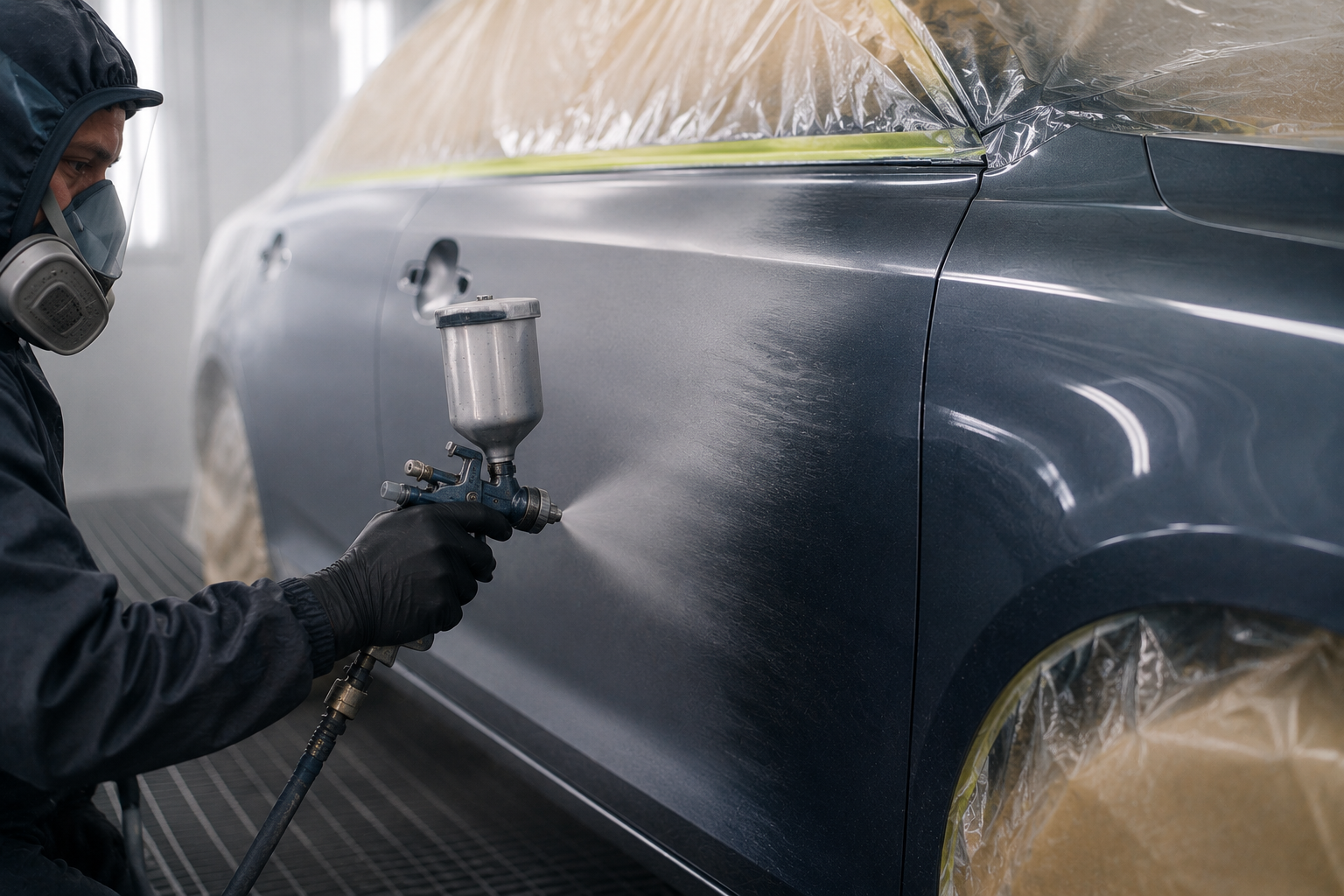
Blending means spraying the new colour a short way into the panels next to the repair, then fading it out so there's no hard line. Painters call that faded edge a feather. It's a standard part of good spray painting, not an added extra. Done well, the fresh paint and the old paint meet in a soft overlap instead of a sharp join.
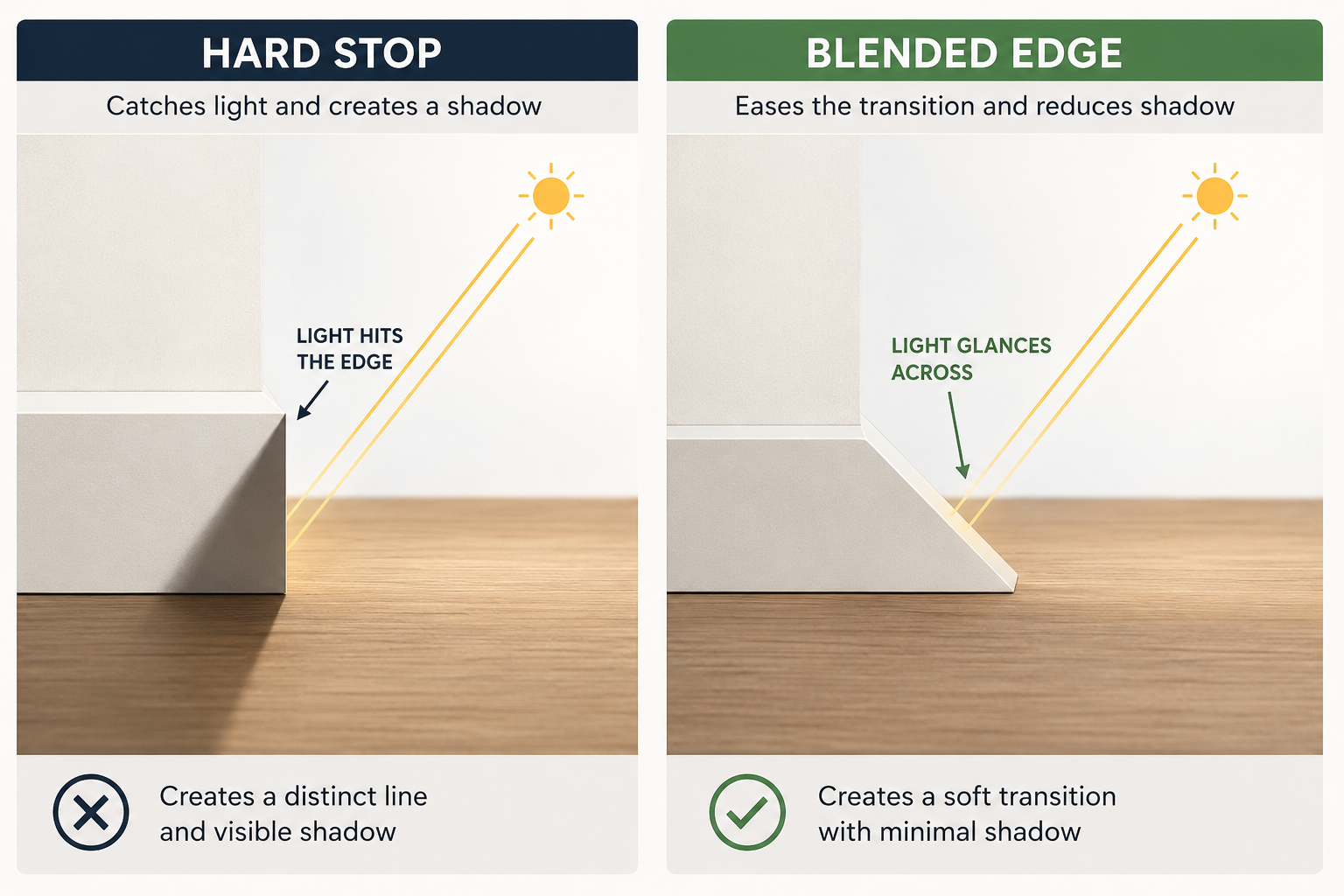
Here's why that matters. If the new colour stopped dead at the panel gap, you'd have fresh paint on one side of the join and older paint on the other. In flat light you might not notice. But no two coats match perfectly across a hard edge, and the eye is very good at finding straight lines. Park the car in the sun, or under a streetlight at an angle. A hard edge shows up as a faint stripe down the join.
Blending solves this in two ways. It removes the hard line, so there's no edge for the light to catch. And it spreads any tiny colour difference across a wider area, so the change from old to new is too gradual for your eye to follow. You end up looking at the whole side of the car, not one repaired panel.
Blending is about the transition, not the panel.
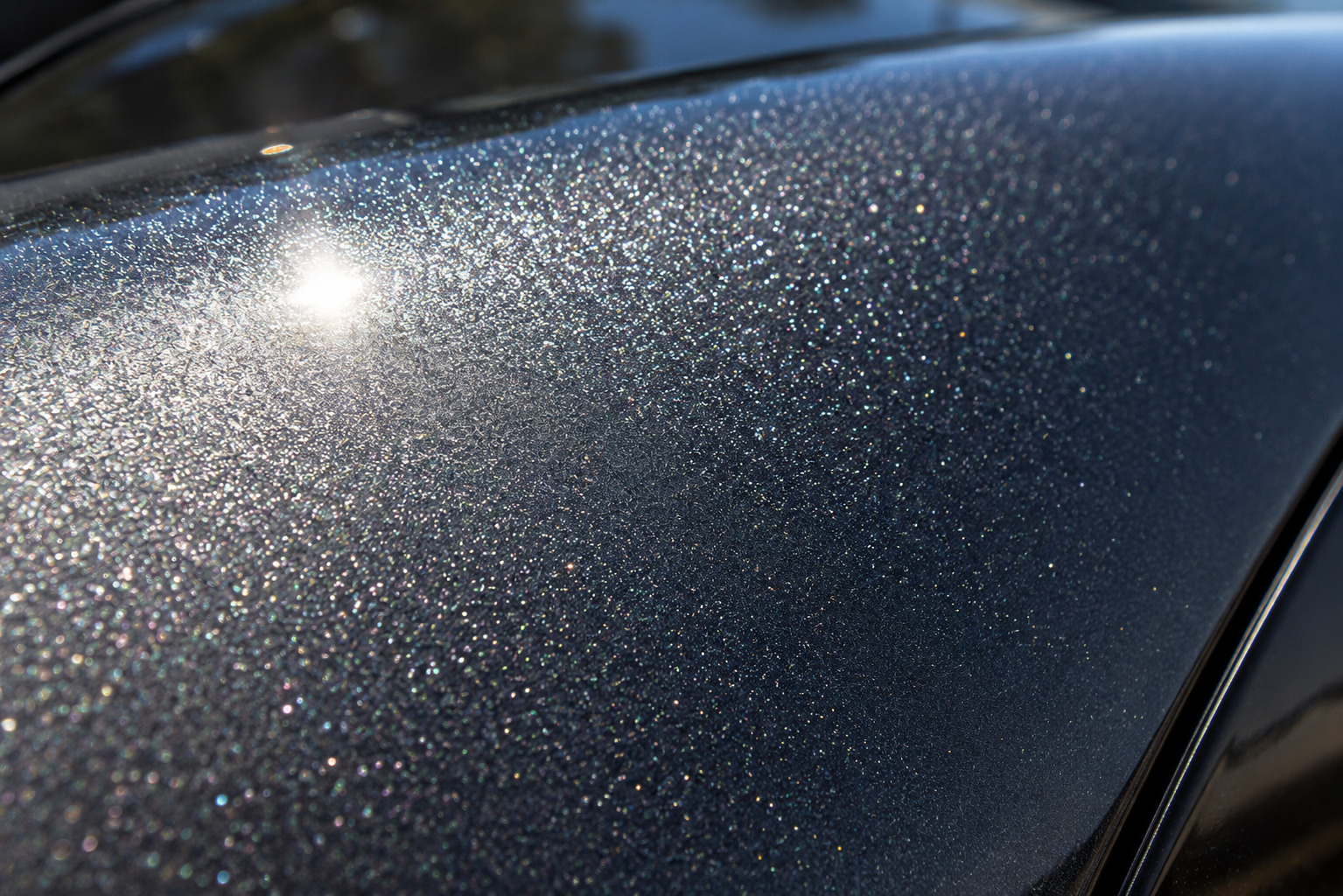
Some colours blend easily. Others take more skill, more paint and a wider blend to get right.
When blending is done well, there's nothing to see. That's the whole point. A few things tell you it's been done properly:
If you have to go hunting for the repair and still can't spot it, the blend has done its job.
If your car has a scratch, scuff or dent that needs paint, the honest first step is a proper look. Bring it to our Richmond workshop, or send a few clear photos taken in daylight, and we'll tell you how well the colour matches and how far the blend needs to go to keep the repair invisible. You'll get a straight answer before any work starts.