Smash Repairs Richmond

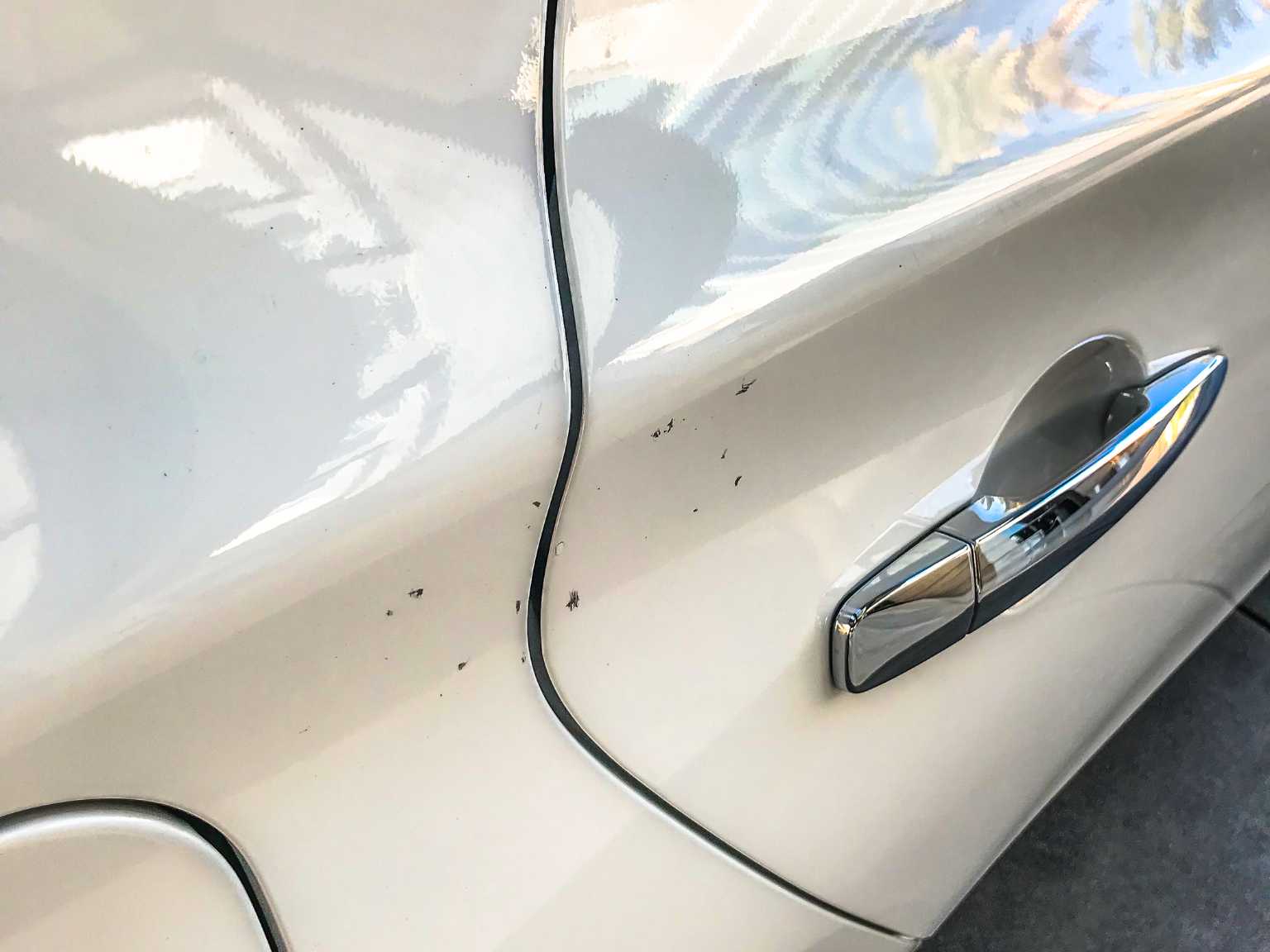
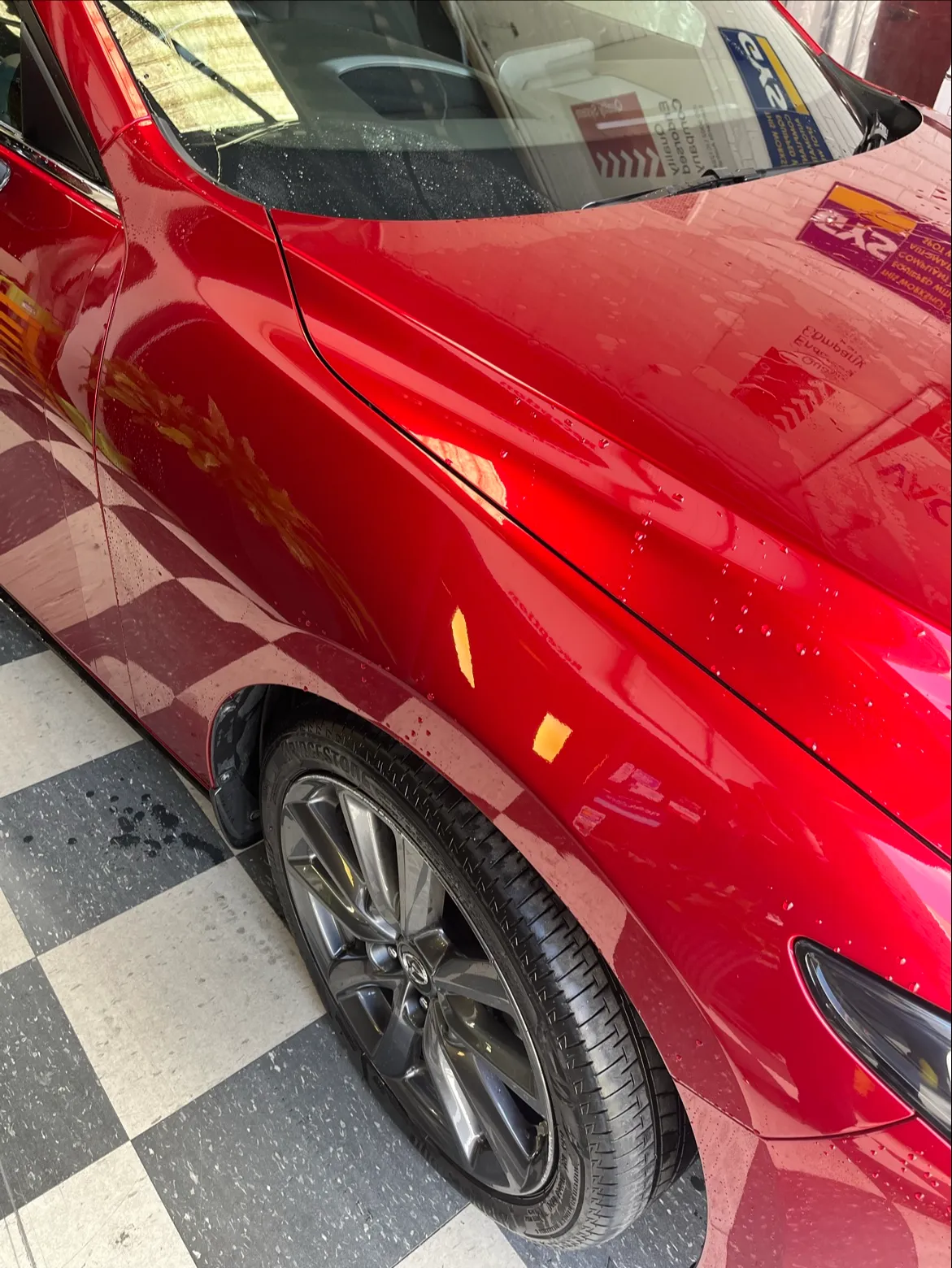
Door Dings: When They Can Be Repaired Without Paint 

Door dings are the inner-city tax you never agreed to.

A tight carpark, a gust of wind, a hurried passenger, and suddenly there’s a shallow dent staring back at you every time the light hits it.

The good news is that plenty of door dings can be repaired without repainting. The bad news is that the ones that cannot usually fail for the same handful of reasons, and they are easy to spot once you know what to look for.

This is the practical question to answer first:

If the paint is still intact and the metal has only been pushed in, there is often a paint-free repair path. If the paint has cracked, chipped, or stretched, paint becomes part of the job.

Start here: what makes a ding paint-free repairable?

A door ding is most likely to be repaired without paint when:
  • The paint surface is unbroken
  • The dent is shallow rather than sharp
  • The dent sits in the “flat” area of the panel, not on a hard body line
  • The panel edge is not folded or creased
  • The impact did not chip through to primer or metal
Most people notice a ding while walking back to the car, often under harsh lighting. Richmond has plenty of that: streetlights along Swan Street, multi-storey carparks, tight parallel bays. That lighting makes small texture changes look dramatic, even when the paint is still fine.

A quick home check that does not make it worse

You do not need tools. You just need clean paint and good light.
1) Clean it first
Wash the area gently and dry it. Dirt can hide cracks and make a shallow dent look like damaged paint.
2) Check for paint damage with a simple visual scan
Look for:
  • A chip at the point of impact
  • Spiderweb cracking
  • A sharp white line that stays white when dry
  • Flaking around the dent
If you see any of the above, paint-free repair is less likely.
3) Use a torch at a low angle
Use your phone torch and shine it across the panel, not straight at it.

You are looking for the shape:
  • A smooth “dish” shape is a better candidate
  • A dent with a sharp ridge is a harder candidate
  • A crease usually means the metal has been stretched
4) Use the fingernail test carefully
Lightly drag a fingernail across any mark. If it catches sharply, there may be clear coat damage even if it looks minor.

The body line and edge table

Door dings behave very differently depending on where they land. The same size dent on the flat part of a door is a different job to one on an edge or a character line.
Location of the ding Why it matters Paint-free repair likelihood What usually decides it
Flat centre of the door Metal is easiest to reshape High Paint intact, dent not sharp
Near a door handle Extra reinforcement and complex curves Medium Depth and access behind the panel
On a body line (character crease) Metal is stiffer and can “crown” Medium to low Sharpness of the ridge, paint stretch
On the door edge Edges fold and chip easily Low Any chipping or cracking at the edge
Near the wheel arch line Tight curvature, paint under more stress Medium Whether it is a crease or a smooth dish
Near window frame or upper door rail Access can be limited Medium Access and the dent’s shape

Common Assumptions that are often wrong

Paint-free repair is often about restoring shape with minimal disturbance. Paint repairs are about restoring both shape and finish.

“It’s small, so it should be easy”

Size matters less than shape. A tiny sharp ding on a body line can be harder than a larger soft dent on a flat area.

“It looks like paint is damaged because it’s white”

White can be:
  • clear coat scuffing
  • paint transfer from another object
  • a true crack into paint layers
Cleaning and good light usually separates these.

“I can just suction-cup it out”

Suction tools can sometimes reduce a shallow dent, but they can also:
  • create high spots
  • distort the panel around the dent
  • complicate a professional repair
If the paint is intact and you want a clean result, it is usually better not to experiment on a visible door skin.

When repair without paint is the best choice

A paint-free repair path is especially attractive when:
  • The car is newer and you want to keep factory paint
  • The damage is isolated to a single dent
  • The paint is intact and the finish is otherwise good
  • You want a fast, minimal-intervention repair
This is common in inner Melbourne where door dings often happen in carparks rather than high-speed impacts.

When paint becomes the sensible option

Paint becomes part of the job when the dent includes:
  • A chip down to primer or metal
  • Clear coat cracking
  • A crease that has stretched the metal
  • Damage on an edge where the paint has fractured
  • Previous repairs in the same area that have left thicker paint
Paint work is not a punishment. It is simply the way to restore the surface properly when the coating system has been compromised.

What does a good outcome look like?

For paint-free repairs, the goal is:
  • Restored panel shape with minimal trace in normal daylight
  • No new marks in the clear coat
  • No obvious high spots or ripples when viewed from an angle
For repairs that need paint, the goal is:
  • The panel looks consistent in direct sun and shade
  • Metallic and pearl finishes look even from multiple angles
  • There is no hard “edge” where new paint stops

FAQs about Door Dings and Paintless Repairs

Often, yes. If the paint is intact and the dent is shallow and not creased, a paint-free repair is commonly possible.

Look for chips, spiderweb cracking, flaking, or exposed primer/metal. Clean the area first and check under good light.

They can be. Body lines are stiffer, and impacts there are more likely to create sharp ridges and paint stress.

It may reduce some shallow dents, but it can also create high spots or distortion. If you care about finish, avoid experimenting on visible panels.

No. Access behind the panel, the dent shape, and paint condition all matter. Some dings improve substantially; some need paint to look right.

If the dent is visible in normal light, it often affects first impressions. Paint-free repair can be a tidy option when the paint is intact.

Smash Repairs Richmond
trading hours
  • MONDAY - FRIDAY
    8:00 AM - 5:30 PM
  • SATURDAY
    BY APPOINTMENT
  • SUNDAY
    CLOSED
© 2026 AUTOMOTIVE PANEL SERVICES. ALL RIGHTS RESERVED | ABN: 51 692 729 043