
The first hours are a mix of safety checks, paperwork and early assessments that shape the entire repair process. Even a low speed impact can require careful handling because modern vehicles rely on systems that respond defensively to damage. Understanding the sequence of events helps drivers stay calm and make decisions that protect safety and repair outcomes.
In Victoria, those early steps are broadly the same whether the vehicle is lightly damaged or needs more extensive work. The difference comes down to what the car can tell you when you stop and take stock.


The insurer is normally contacted within the first few hours. They issue a claim number and outline what is needed next. This step does not approve repairs. It simply records the incident and starts the administrative process. The insurer may also confirm whether towing, assessment or temporary transport is covered.
Some drivers prefer to speak with a repairer first to confirm whether the car is drivable. Both approaches are common. The key point is that repairs on an insured job cannot begin until authorisation is granted.
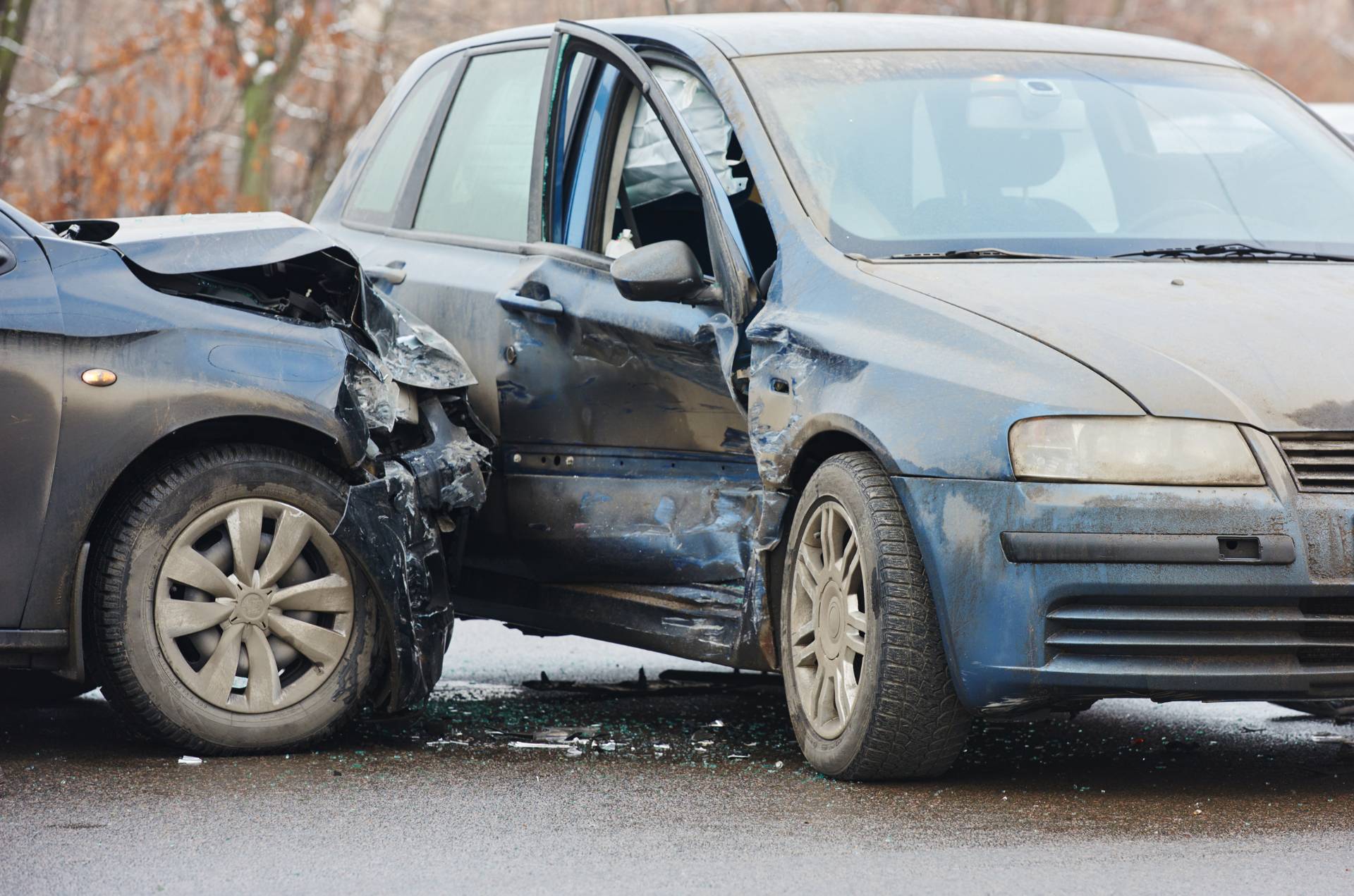

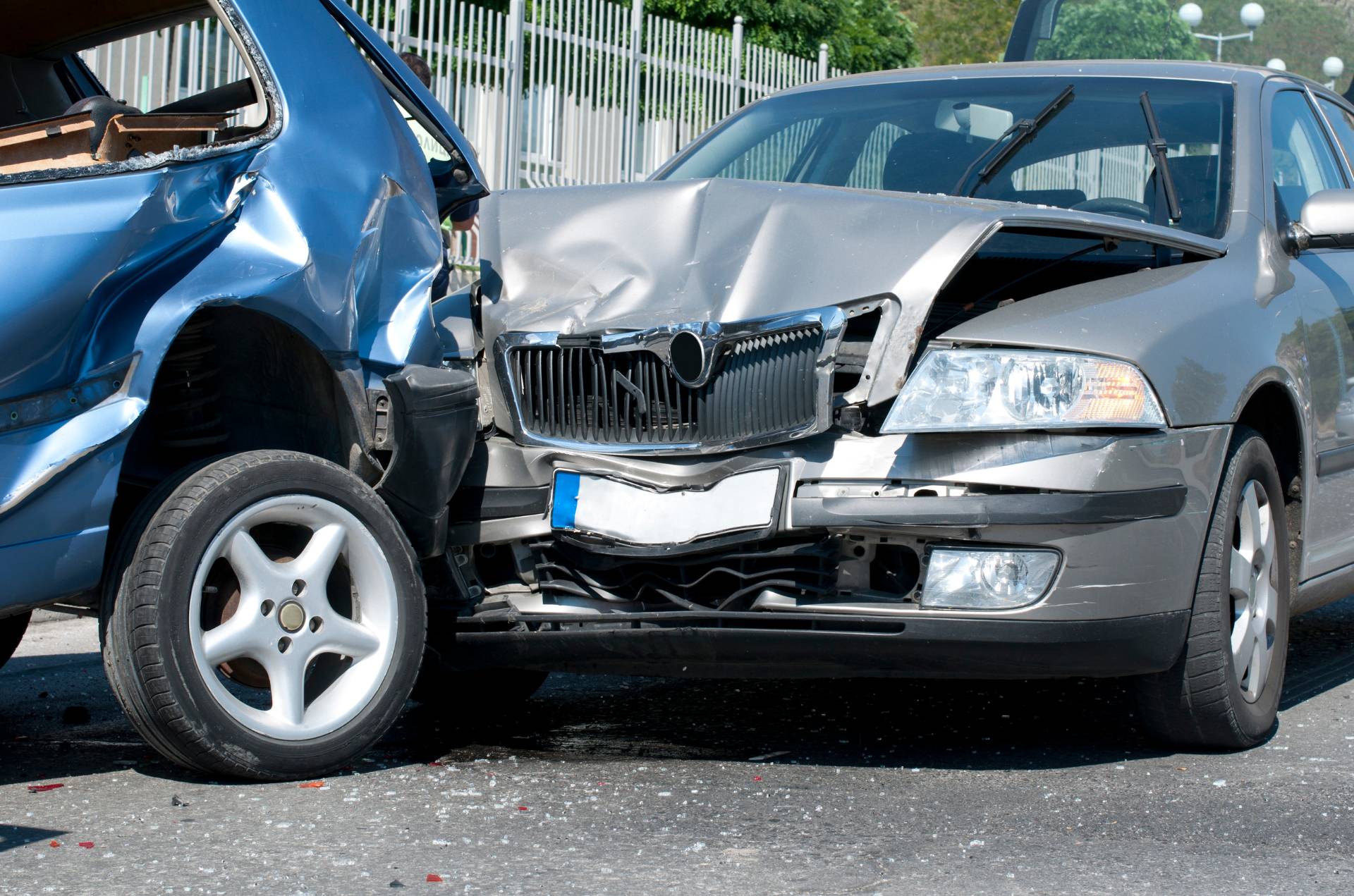
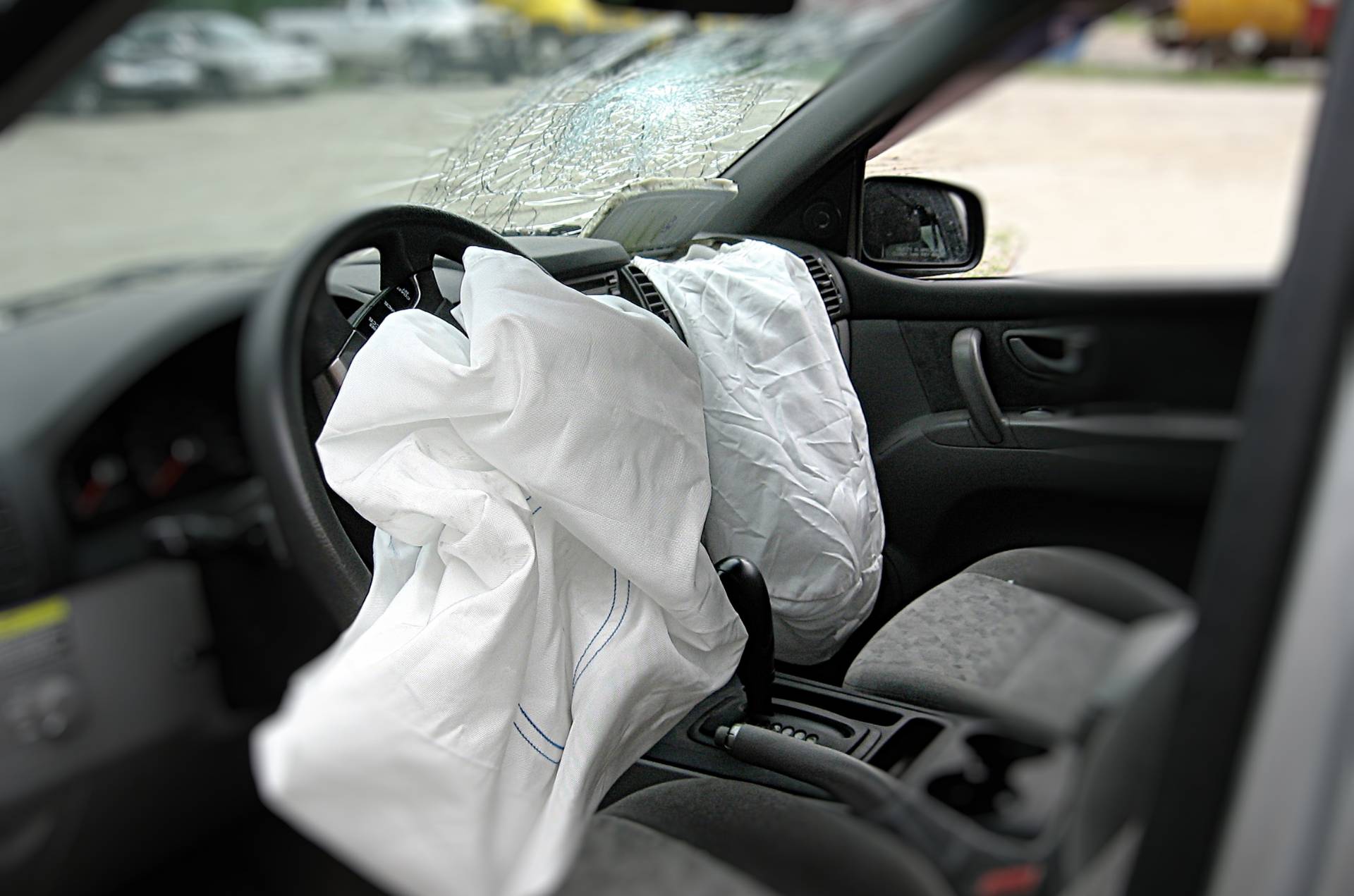
The first day after a collision shapes everything that follows. Good documentation leads to smoother insurer communication. Early hazard checks prevent further damage. Accurate first assessments reduce repair delays. By following a calm, structured approach, drivers make decisions that protect their safety and the quality of the final repair.