
You walk out after a storm and your car looks like a golf ball. Dozens of small dents across the bonnet, roof, and boot. Maybe a cracked windscreen. It’s not the kind of damage you can ignore, but it’s also not as bad as it looks. Most hail damage is repairable, and depending on the severity, the fix can be quicker and cheaper than you’d expect.
Here’s what to do, what your hail damage repair options are, what they cost, and how to decide whether claiming on insurance makes sense.
Before you call anyone, take photos. Photograph every panel from multiple angles. Use your phone’s torch held at a low angle across the surface – this picks up dents that are hard to see in flat light. Get close-ups of any cracked glass or chipped paint.
These photos matter for two reasons. First, they document the damage before anything changes. Second, if you claim on insurance, your assessor will want to see the original condition. Take more than you think you need.
Once you’ve documented everything, cover the car if you can. A car cover or even a thick blanket reduces the risk of further damage if another storm hits before you get it repaired. If the windscreen is cracked, avoid driving until it’s replaced – a compromised windscreen can shatter under stress.
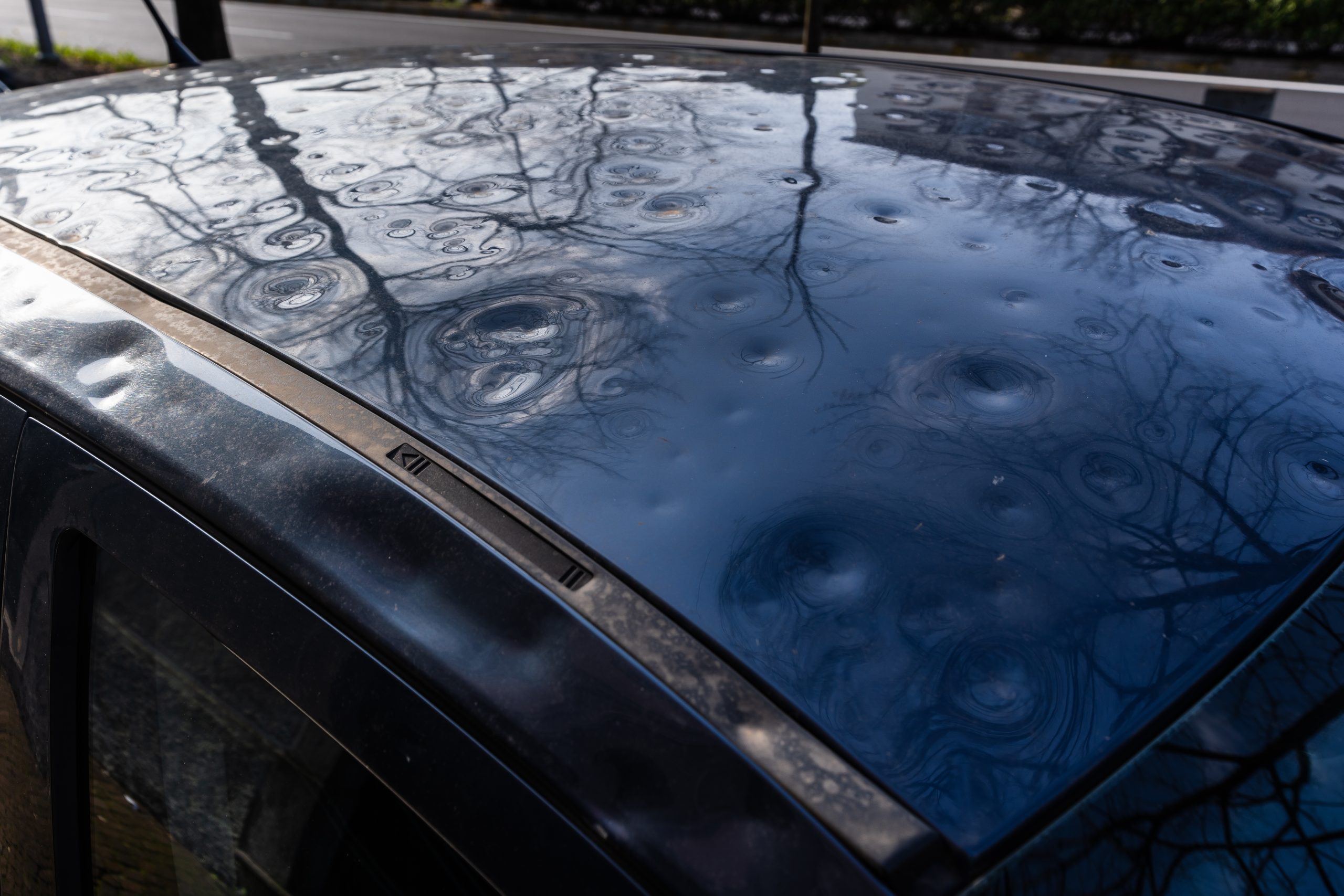
There are three main repair methods, and the right one depends on the size and depth of the dents, whether the paint is damaged, and which panels are affected.
Paintless dent removal (PDR)
PDR is the preferred method for most hail damage. A technician uses specialised tools to push dents out from behind the panel, restoring the original shape without touching the paint. There’s no filler, no respraying, and no colour-matching to worry about.
When it works: Dents are small to medium, the paint surface is intact (no chips or cracks in the clear coat), and the panel has enough access from behind for tools to reach the dent.
When it doesn’t: Deep creased dents, dents on panel edges or body lines where the metal has stretched, or any dent where the paint has cracked or flaked.
What it costs: For minor hail across several panels, expect $500 to $1,500. Individual dents typically run $80 to $250 each depending on size and location.
Conventional dent repair
When PDR can’t reach a dent or the paint is damaged, conventional repair takes over. This involves filling the dent, sanding, priming, and respraying the panel. The panel beater then blends the colour into surrounding panels so the repair is invisible.
When it’s needed: Dents that are too deep or creased for PDR, dents where paint has cracked or chipped, or panels where rear access is blocked by structural bracing.
What it costs: Moderate hail damage repaired conventionally runs $1,000 to $5,000 depending on how many panels need work and whether any parts need replacing.
In severe hailstorms, some panels get damaged beyond practical repair. When the cost of filling and respraying a panel approaches the cost of a new one, replacement makes more sense. This is most common with bonnets and boot lids, which take the worst of the impact.
What it costs: Severe hail requiring panel replacement can reach $5,000 to $10,000 or more. At this level, the insurer may assess whether repair costs exceed the car’s market value.
Before you get a formal quote, you can get a rough sense of where your damage sits. This helps you have a more informed conversation with your panel beater and your insurer.
| What you see | Likely repair method | Rough cost range |
|---|---|---|
| Small round dents, paint intact, no creasing | PDR | $500 – $1,500 |
| Mix of small and medium dents, some creasing, paint intact | PDR + minor conventional | $1,000 – $3,000 |
| Deep dents, paint cracked or flaked, creased panels | Conventional repair | $2,000 – $5,000 |
| Crushed panels, shattered glass, extensive paint damage | Panel replacement + conventional | $5,000 – $10,000+ |
This is a general guide only – every car is different. A qualified panel beater will give you an accurate assessment after inspecting the vehicle in person.
Not always. This is the question most people skip, and it’s worth thinking through before you lodge a claim.
Start with your excess. Check your Product Disclosure Statement (PDS) – some policies have a separate, higher excess for storm and hail damage. If your excess is $700 and the repair quote is $900, you’re only $200 ahead on the claim. And that claim goes on your record, which can increase your premium at renewal.
A rough rule of thumb: If the repair cost is less than double your excess, it’s often cheaper to pay out of pocket when you factor in the premium increase over the following two to three years.
If the damage is clearly going to run into the thousands, claim. That’s what your insurance is for. But for minor hail that a PDR technician can sort out for $500 to $800, do the maths first.
Yes. In Victoria, you have the right to choose your own repairer regardless of what your insurer suggests. Your insurer may recommend a preferred repairer, and they may try to steer you in that direction, but the choice is yours. This is your legal right, and it applies to hail damage claims the same as any other.
Choosing a panel beater you trust matters for hail work especially. PDR is a specialist skill – the difference between a good result and a mediocre one comes down to the technician’s experience. Ask whether the shop does PDR in-house or subcontracts it, and ask to see examples of previous hail repairs.
If your car is more than ten years old or has a lower market value, hail damage creates a harder decision. Insurers assess whether the repair cost is economically viable compared to the car’s agreed or market value. If repair costs approach 60 to 70 per cent of the car’s value, the insurer may write it off.
If you’d rather keep the car, talk to your panel beater about a partial repair – fixing the worst panels and leaving minor dents that don’t affect the car’s function. This can bring the cost down enough to avoid a write-off and keep your car on the road.
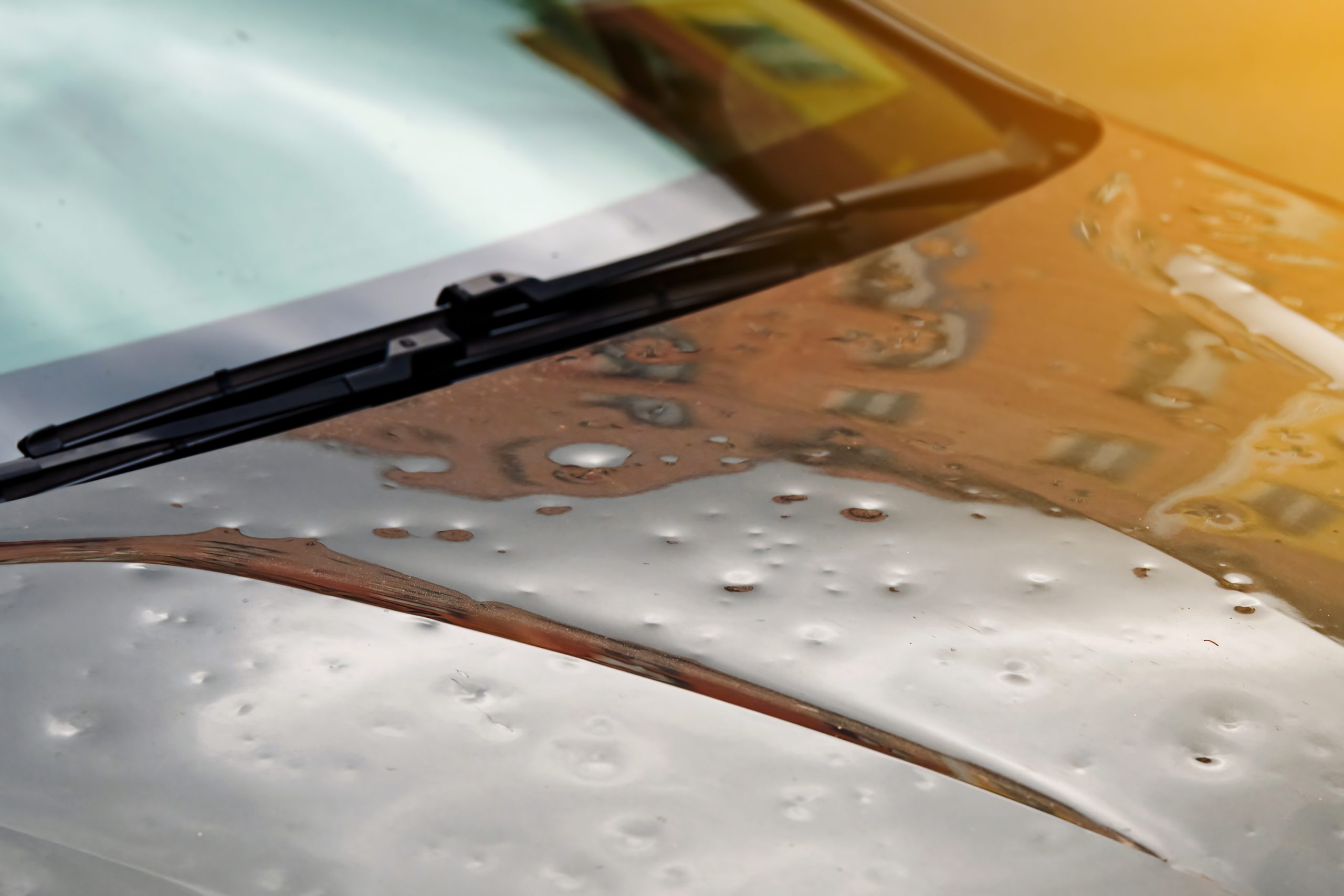
A hail damage assessment usually takes 30 to 60 minutes. The panel beater inspects every panel under controlled lighting, marks each dent, and documents the damage for the repair quote. If you’re claiming, this documentation goes to your insurer for approval.
Once approved, repair time depends on severity. Minor PDR work can be done in one to two days. Conventional repairs with respraying take longer – typically one to two weeks. Panel replacements may take longer again if parts need to be ordered. After major hailstorms, demand surges across Melbourne, so booking early makes a real difference to your wait time.
If you’ve found hail damage on your car, bring it in for an assessment. We’ll inspect the damage, walk you through your repair options, and give you an honest quote – whether you’re claiming through insurance or paying privately.