
A slow rear end collision looks simple on the surface.
Drivers often see a scuffed bumper and assume the impact stopped there. Modern vehicles behave differently though. Even a gentle hit can shift parts behind the bumper that control how the car absorbs force, protects its wiring and holds its rear panels in line.
The construction of the rear section explains why this happens. Bumpers are designed to flex, but the components behind them are rigid or semi rigid. These include the crash canisters, the bumper reinforcement beam, sensor wiring, rear quarter panel mounts and the boot floor’s edges. When force travels past the plastic cover, it can change the shape of these parts in ways that are hard to spot from outside.
| Issue spotted after impact | What it usually means | Why a repairer checks it |
|---|---|---|
| Small gap change around tailgate | Possible movement in rear quarter or latch area | To confirm if mounts or weld points have flexed |
| Bumper cover does not sit flush | Bracket or beam may have shifted | To ensure crash structure is intact |
| Reverse sensors giving false tones | Sensor or wiring disturbed | To test calibration and bracket position |
One reason subtle damage matters is how it affects the car over time. A shifted latch can cause water to enter the boot. A bent beam can lead to rattles or poor alignment in later impacts. Misaligned sensors may give inconsistent distance readings. These problems develop slowly, which is why repairers look beyond visual damage during an inspection.
Sensors add another layer of complexity. Many late model vehicles have radar modules or ultrasonic sensors that rely on precise angles. A few millimetres of movement can interfere with how these systems interpret distance. Repairers often use templates, measurement tools and diagnostic checks to confirm everything is still aligned.
Low speed crashes rarely feel dramatic inside the cabin, but they create patterns of damage that trained repairers see every week. Modern materials behave differently under pressure. Light impacts can shift brackets or move sensor housings by only a few millimetres, yet the knock on effects show up later in uneven tyre wear, poor reversing accuracy or unexplained rattles.
These are the kinds of issues owners often share with repairers months after a minor crash:

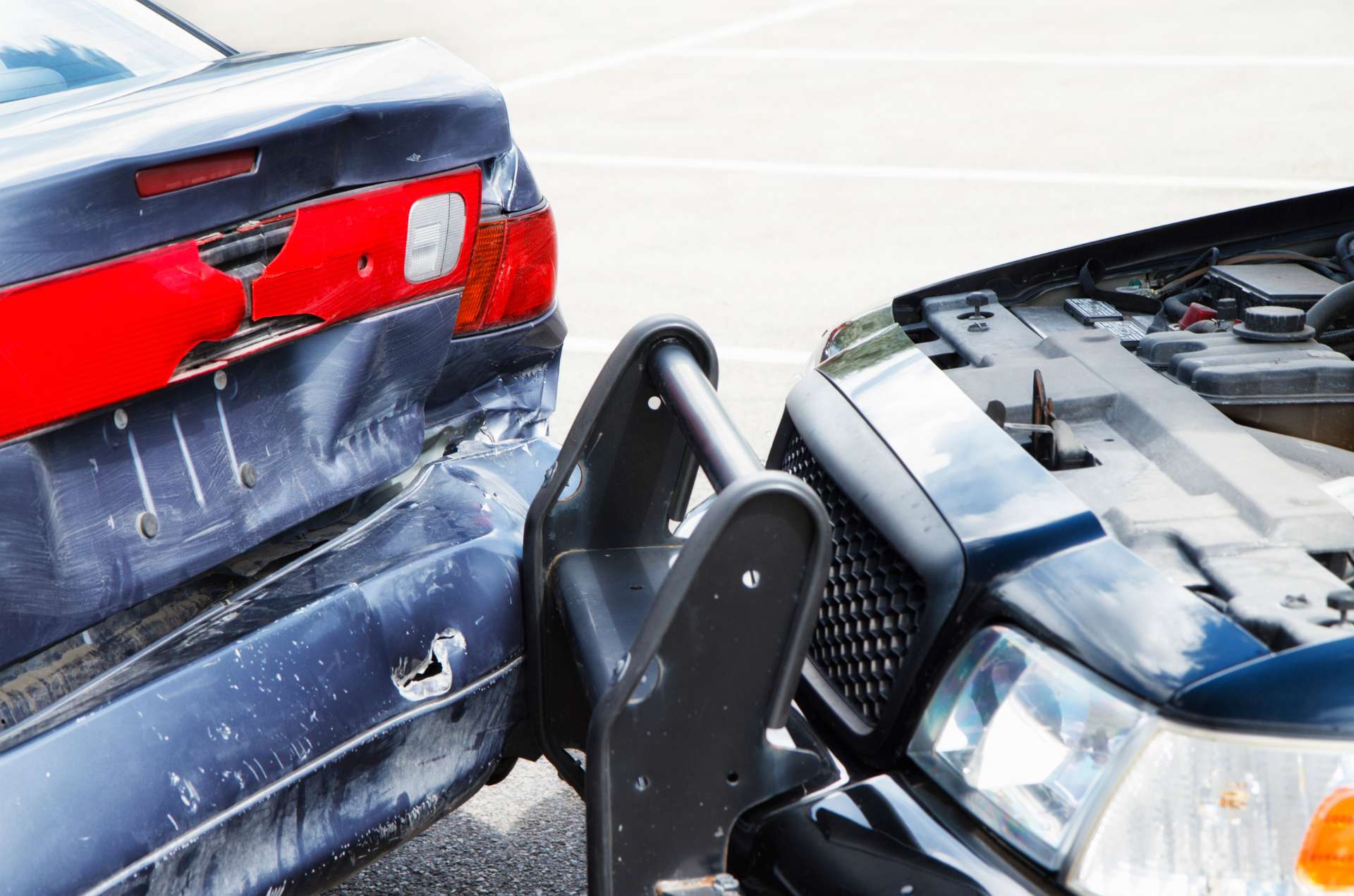
A professional inspection does more than confirm the obvious damage. Repairers map how force has travelled through the rear of the vehicle, check for movement in sensor brackets and test whether panels still anchor correctly under load. These steps protect safety systems, restore handling accuracy and reduce long term wear.
Drivers are often surprised by how much confidence they gain once a technician has traced the full impact path. If anything feels different after a low speed crash, even if the bumper looks fine, an early inspection is worth arranging. It can prevent a small issue becoming an expensive one later and keeps the vehicle performing as it should on every trip.