
There’s a scratch down your driver’s door that’s been there for months. Or a scuff on the rear quarter panel from a tight carpark. The rest of the car looks fine – it’s just that one panel letting the whole thing down.
So should you repaint that car panel, or leave it alone?
For localised damage on a single panel, a professional respray is often the smartest fix. It’s faster and cheaper than repainting the whole car, and done well, you’ll never know it happened. But it’s not always the right call. Here’s how to decide.
Even repainting one panel is a proper process. There’s no shortcut version that produces a lasting result.
The panel is cleaned, sanded back, and prepped. Any scratches, scuffs, or minor dents are smoothed out. A primer coat goes on to give the new paint something to bond to. Then the colour is applied – usually a basecoat followed by a clearcoat, which adds the gloss and protects the finish from UV and weather.
The step most people don’t think about is blending. Your car’s paint fades gradually from sun, rain, and daily wear, so a freshly painted panel will look slightly different to the ones beside it – even with a perfect colour match. To fix this, the painter feathers the new colour into the adjacent panels so there’s no visible line where one coat ends and the other begins.
For a standard panel, the whole process takes one to two days.
A single panel respray is worth the money when a few conditions line up.
The damage is contained to one area. A deep scratch, a key mark, a scuff from a bollard, or a small patch of surface rust are all good candidates. If the mark hasn’t spread to surrounding panels, there’s no reason to repaint more than you need to.
The rest of the car’s paint is in reasonable shape. This is the factor that matters most. A freshly sprayed panel next to paint that’s faded, peeling, or chalky will stand out – not because the new work looks bad, but because it makes everything around it look worse. If the surrounding panels still have decent gloss and colour, a single respray blends in seamlessly.
The car is worth looking after. Whether you plan to keep driving it, sell it in a few years, or just want it to look decent in the driveway, a panel respray protects the bare metal from rust and keeps the car presentable. For anyone parking in tight inner-city spots around Richmond or the inner suburbs, where door dings and scrapes are a fact of life, it’s a practical way to stay on top of cosmetic damage before it gets worse.
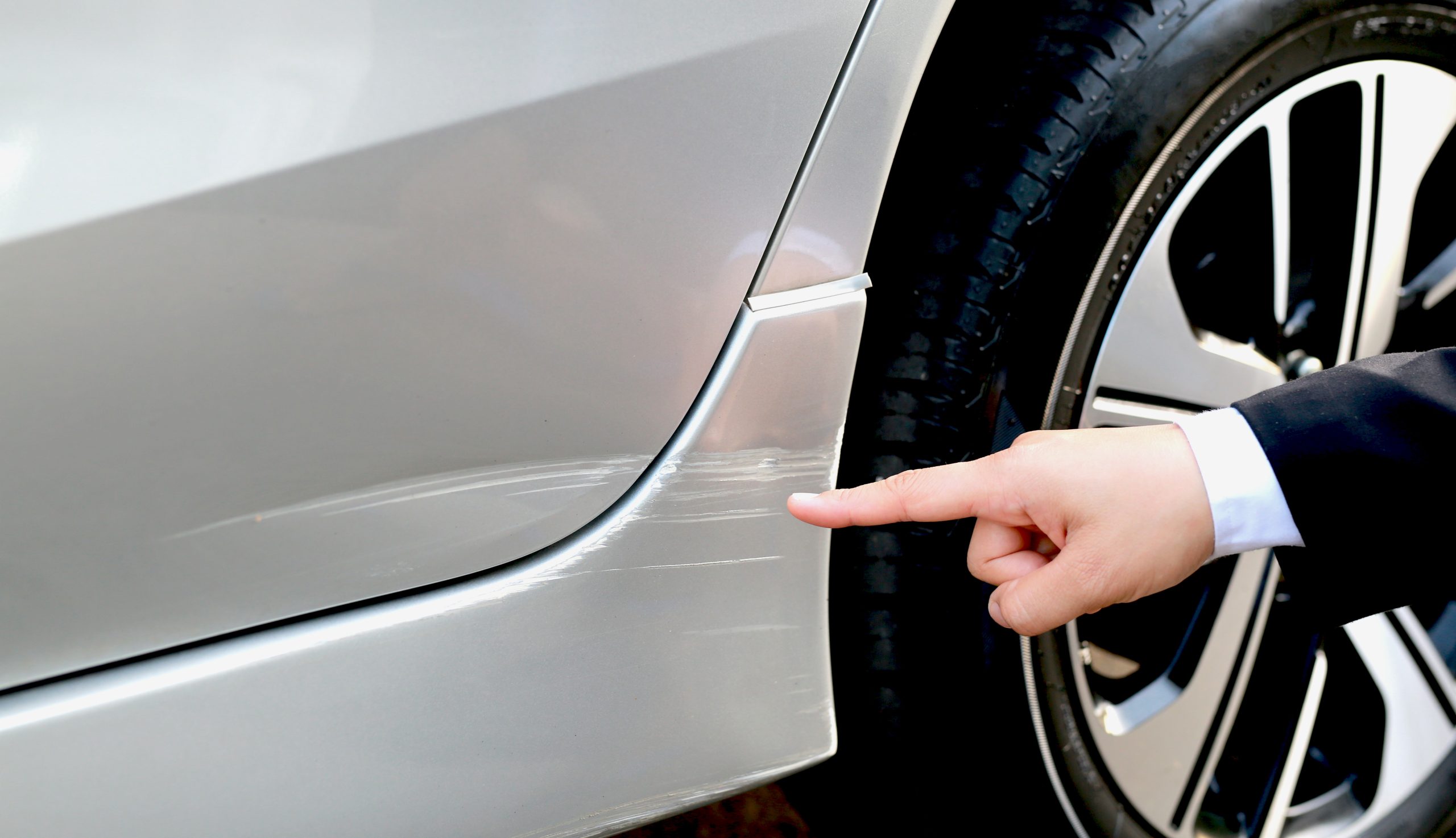
There are situations where a different approach gives you a better result.
The damage crosses multiple panels. If a scrape runs across your door, guard, and bumper, respraying each panel individually adds up. A broader panel repair may be more cost-effective – get a quote for both approaches and compare.
The paint is faded or failing across the car. Sun damage, peeling clearcoat, and chalky paint don’t happen to just one spot. Repainting one panel on a car with tired paint everywhere creates an obvious mismatch. A cut and polish might bring the surrounding paintwork back to life first. If not, a more extensive respray is usually the better investment.
The car isn’t worth it. This isn’t a judgement call – it’s a practical one. If the respray costs more than it adds in value, or the car is close to the end of its useful life, the money may be better spent elsewhere. An honest panel beater will tell you this upfront.
In Australia, a professional single panel respray generally runs between $400 and $1,200. Where you land in that range depends on a few things.
Panel size matters. A small guard or door skin costs less than a bonnet or roof section. More surface area means more material and more labour.
Colour affects the price. Solid colours – white, black, and other non-metallic finishes – are more straightforward and cheaper to match. Metallic and pearlescent paints need extra layers and more precision to get right. If your car has a three-coat pearl finish, expect to be toward the higher end.
Prep work adds time. A clean scratch on otherwise sound paint is quick to prepare. A panel with dents, rust spots, or flaking clearcoat needs more work before any paint goes near it. Preparation is where most of the labour time goes in any spray painting job – it’s also what separates a result that lasts from one that doesn’t.
If the price seems high for ‘just one panel’, consider what you’re paying for: not a tin of paint, but the preparation, colour matching, blending, and skill to make the repair invisible.
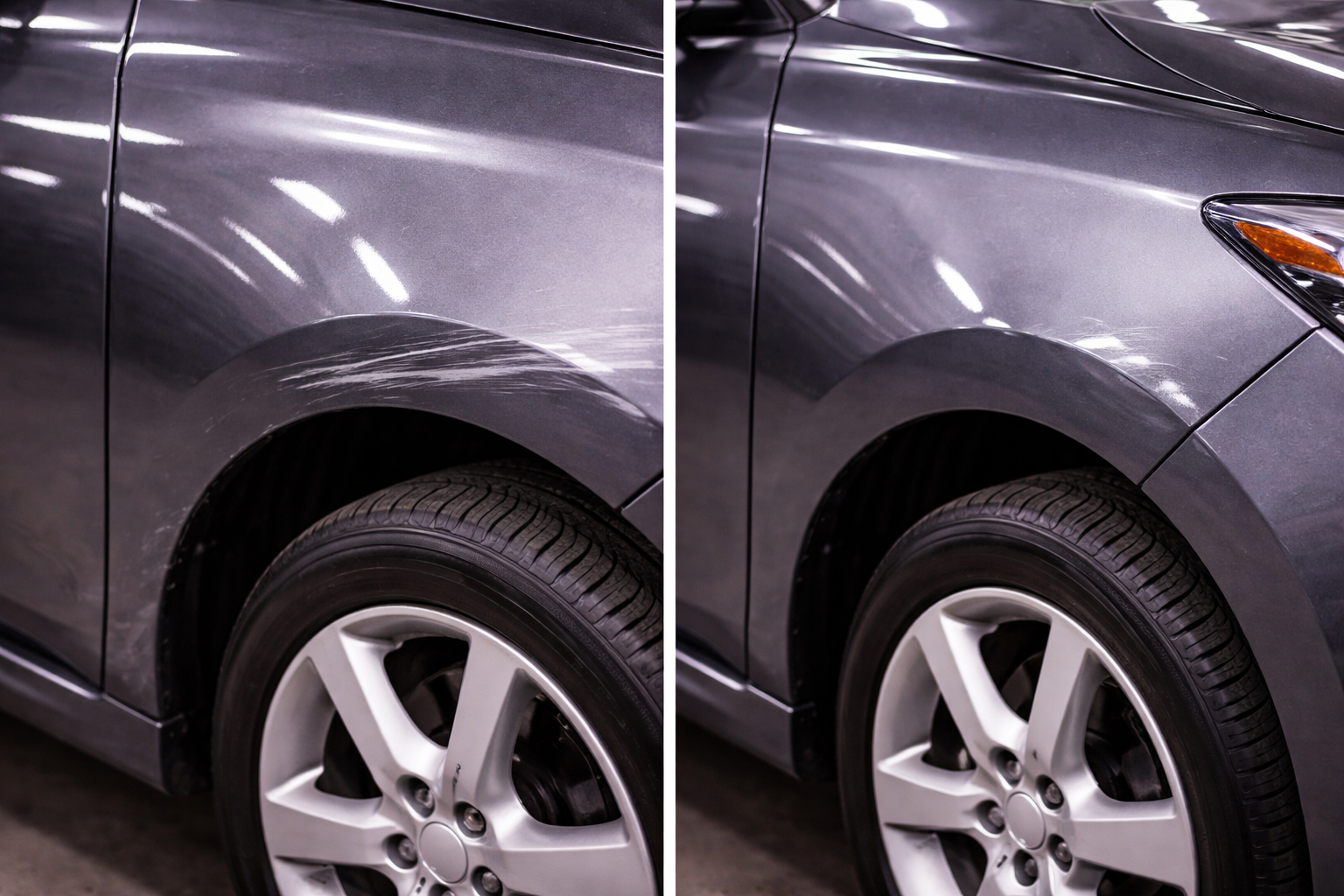
Modern cars can have dozens of colour variations within a single paint code. Two white cars from the same manufacturer, built a year apart, can look noticeably different parked side by side.
A good panel beater uses a spectrophotometer – a device that scans your car’s existing paint and reads the exact colour, including how it’s faded. The painter then mixes to that reading, not just the factory code. Combined with the blending process, this is what makes a single panel respray invisible rather than obvious.
We’ve written about this in more detail in our colour matching article if you want to understand the full process.
Not every mark needs a respray. If the scratch hasn’t broken through the clearcoat – the transparent outer layer that protects the colour beneath – a professional cut and polish may remove it for less money and less time. We’ve covered this in our guide to whether scratches can be polished out.
A quick test: run your fingernail across the scratch. If your nail catches in it, the damage has likely gone through the clearcoat into the colour or primer underneath. That’s respray territory. If your nail glides over it without catching, a polish is worth trying first.
For a panel with damage that’s too deep to polish but contained to one area, a respray is the logical next step. It’s a contained, affordable fix that makes a genuine difference to how your car looks and holds its value.
Not sure which category your damage falls into? Bring the car past the workshop on Murphy Street in Richmond and we’ll take a look. We’ll tell you honestly whether it needs a respray or whether something simpler will do the job.