A light tap to the front of a car often looks harmless.
Many drivers assume a small dent or cracked grille means a quick repair. Modern vehicles rarely behave that simply. What appears to be a surface level issue can involve sensors, cooling systems and structural components hidden behind plastic panels. The price of the repair reflects this reality rather than the size of the impact.
Front end construction has changed over the last decade. Cars are now designed to absorb force, protect occupants and support technology that monitors the road. This makes everyday collisions more complicated than most owners realise.

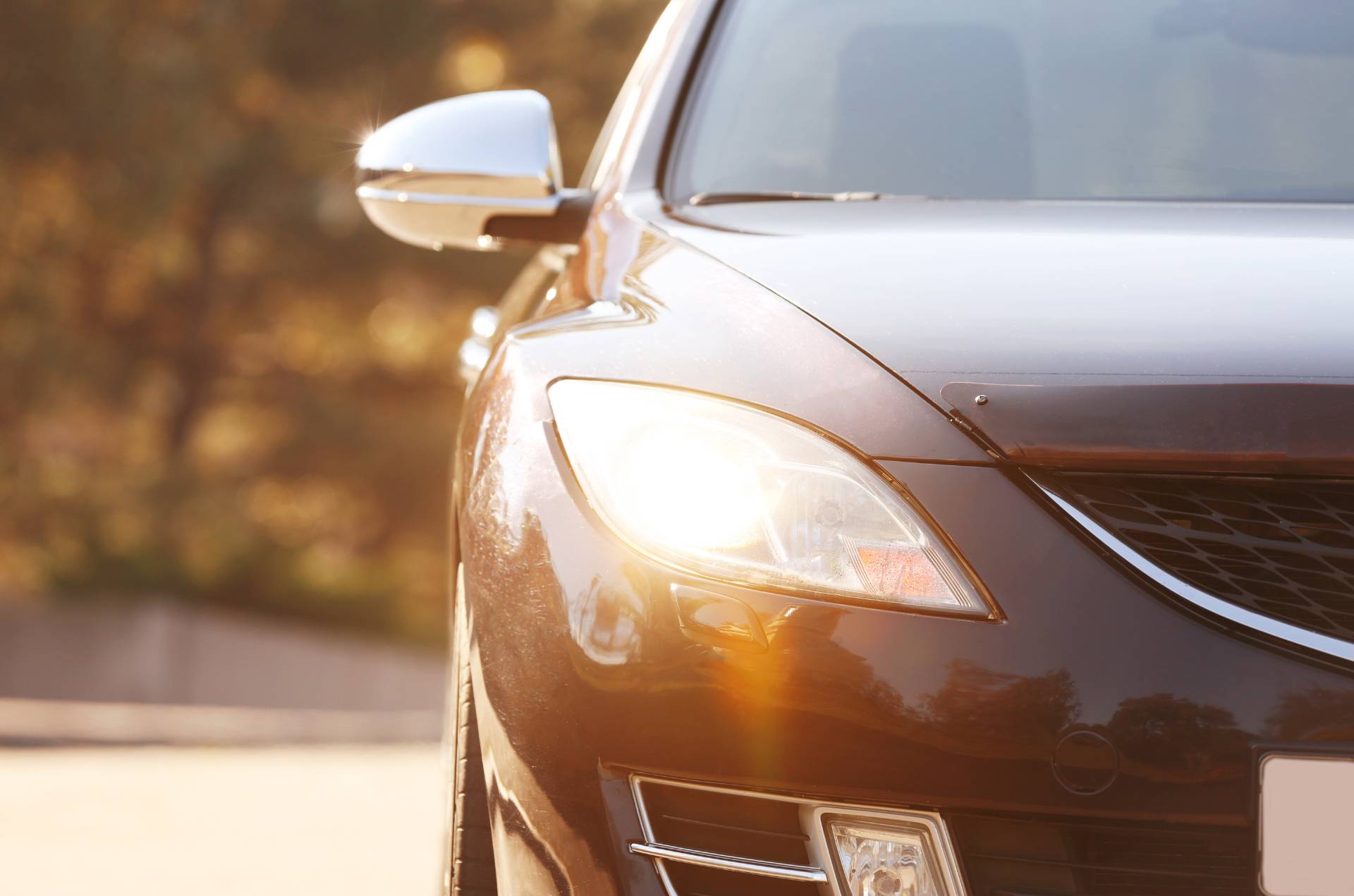
The front bumper is no longer a single shaped piece of metal or plastic. It sits above a network of parts that all respond to impact in different ways.
The system usually includes
| Part or system affected | What can happen | Why it increases repair cost |
|---|---|---|
| Sensors | Misalignment or failure | Requires calibration and testing |
| Radiator support | Cracks or bending | Affects cooling and structural alignment |
| Headlights | Broken mounts or moisture entry | Often need replacement rather than repair |
| Reinforcement bar | Minor distortion | Must be replaced to maintain crash integrity |
| Paintwork | Cracking around impact | Multi-layer repainting often required |
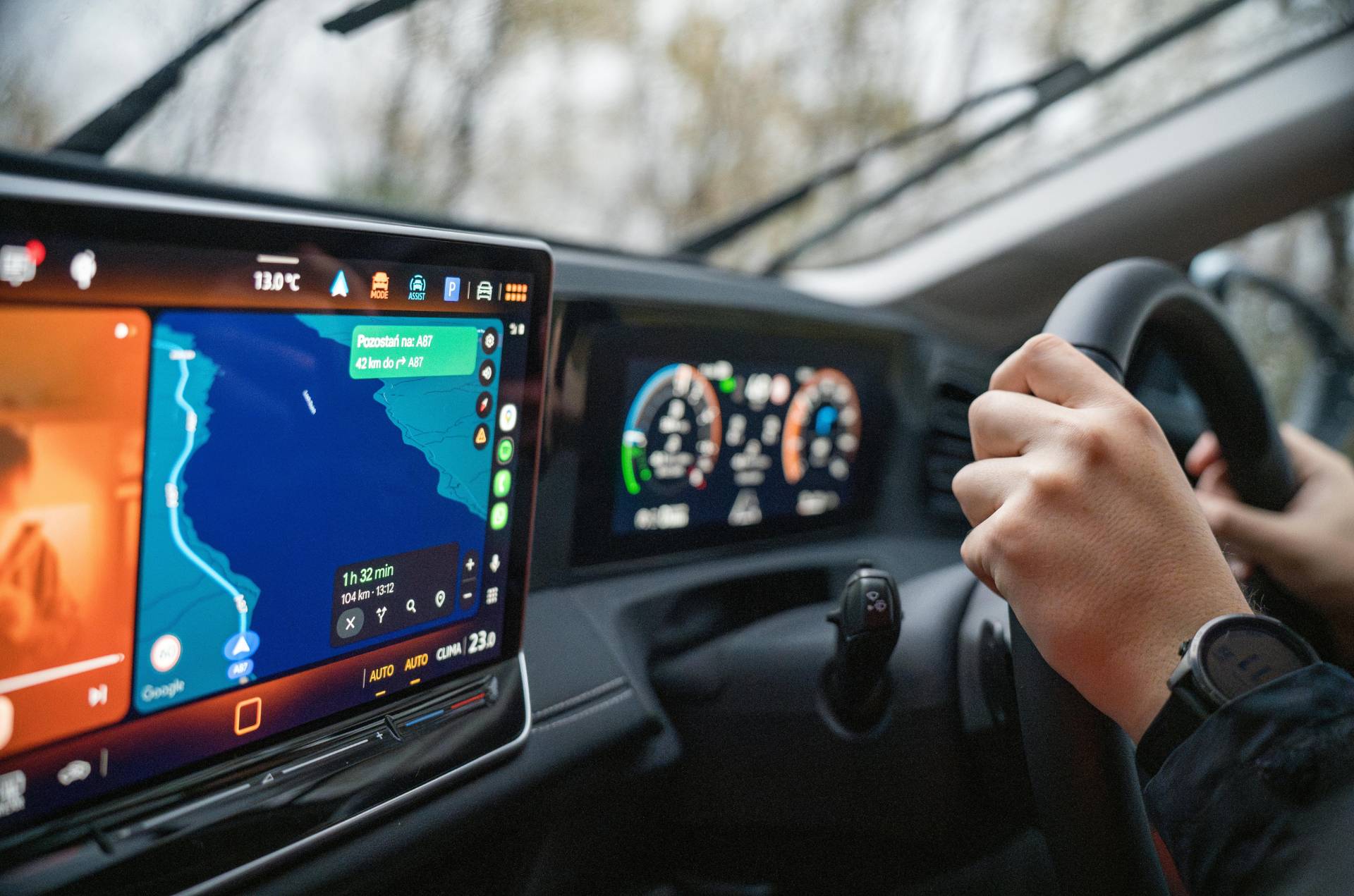
Front end sensors are designed to detect obstacles, monitor distance and support emergency braking. If they shift by only a few millimetres, the system can misread what is happening on the road. Repairers must recalibrate these systems before the vehicle leaves the workshop.
Calibration requires controlled conditions and specialised equipment. It is careful work, and the cost reflects the time needed to make sure the vehicle responds accurately.
Even when the bumper looks intact, the internal supports may have absorbed the impact. These components are designed to deform in specific ways to manage crash forces. Once they compress or crack, they lose their protective ability and must be replaced.
Common examples include
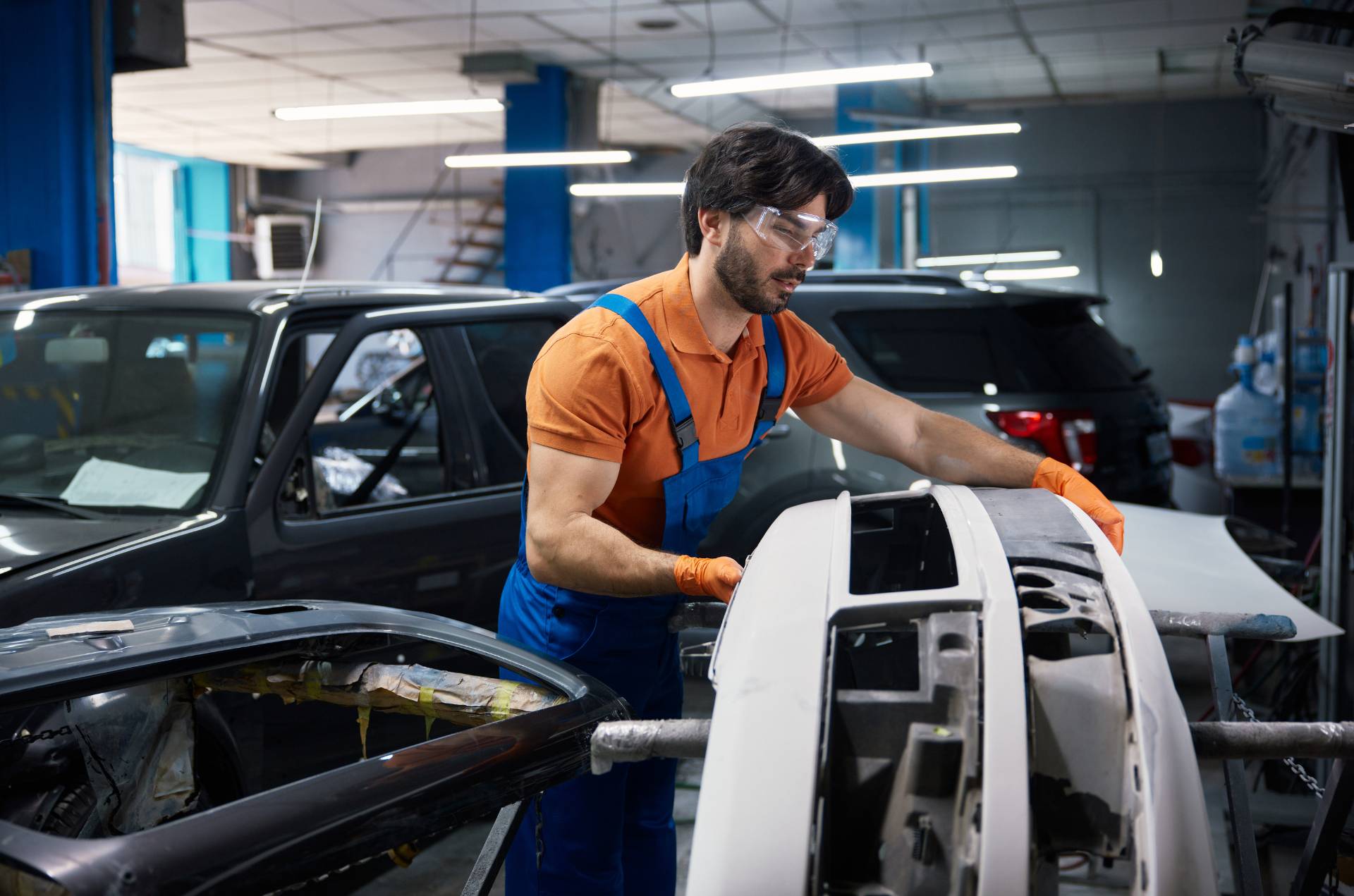
Front end panels and bumpers are exposed to heat, road debris and UV fade. Paint on plastic behaves differently from paint on metal. When a bumper is repaired or replaced, matching the colour requires understanding how the original paint has aged.
Metallic and pearl colours also vary under different lighting. Panels beside the repair need blending to ensure a seamless finish. This adds to the workload even for small impacts.