
You’ve handed over the keys after a crash, and your car is now out of sight in a workshop. It’s normal to want to know what happens to it next. A smash repair runs through a set order: assessment and quote, your insurer’s sign-off if you’re claiming, ordering parts, strip-down and repair, paint, then reassembly and safety checks before you collect it. Knowing that order helps you understand where your car is at any point, and why some stages take longer than the damage looks.
Every smash repair is a little different. A light bumper scuff and a hard hit that bends the frame go through the same stages, just to different depths. Here is what each stage involves, and why it matters to you.
| Stage | What happens | Why it matters to you |
|---|---|---|
| 1. Assessment and quote | The damage is inspected and written up, and a repair quote is built. | Some damage only shows once panels come off, so the first quote can change. |
| 2. Insurer sign-off | If you’re claiming, your insurer reviews and approves the quote. | Work usually starts once that approval comes back. |
| 3. Ordering parts | Replacement panels and parts are ordered to suit your car. | Older and European models can wait longer for the right parts. |
| 4. Strip-down and repair | Parts come off, panels and structure are repaired, the frame is straightened if needed. | Hidden damage often turns up at this stage. |
| 5. Paint and curing | The repaired area is prepped, colour-matched, sprayed and baked. | Good prep and a proper cure are what make the finish last. |
| 6. Reassembly and checks | Everything goes back on, then quality and safety checks. | Safety systems are tested and reset here. |
| 7. Handover | You collect the car and the repairs are talked through. | You can raise anything you’re unsure about before you drive off. |
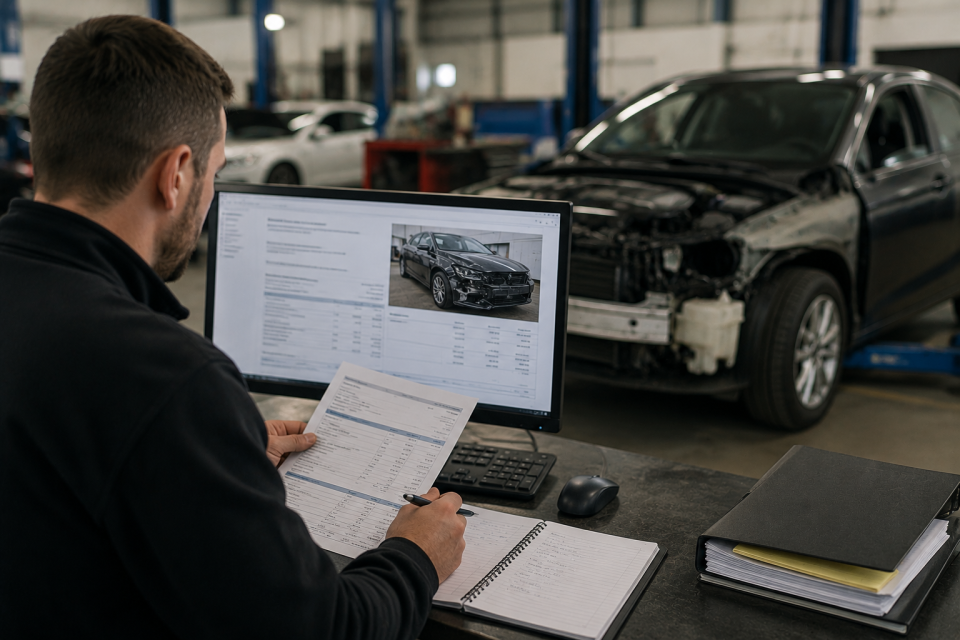
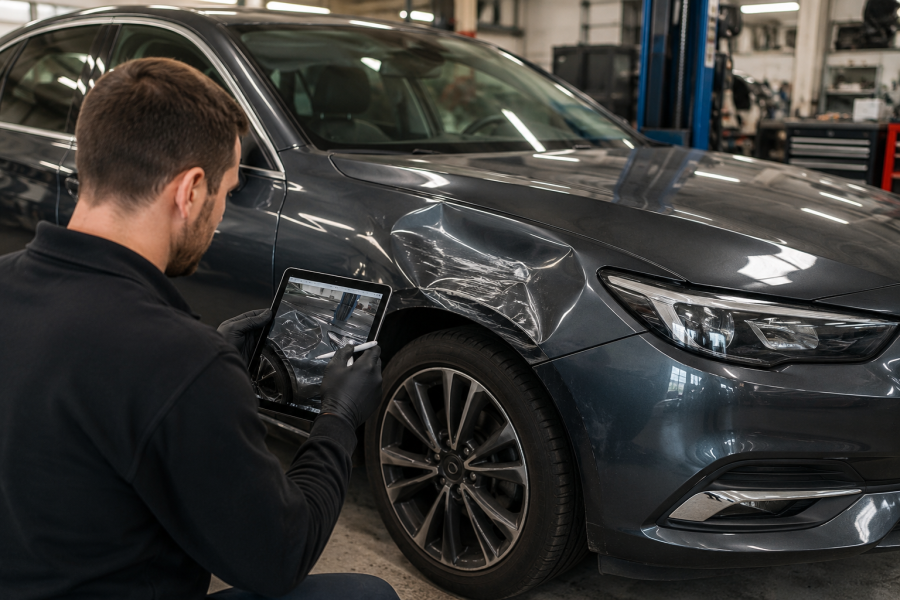
When your car arrives, the damage is inspected and written up, then a repair quote is built from that. A good assessment is not just about what you can see. The panel beater also checks underneath and around the damage, so the car is safe as well as tidy. Only some damage shows at this early stage. More can appear once panels come off, which is why a first quote can change later. The assessment is also where the repair-or-replace call gets made for each damaged part, since some panels are better fixed and others are better swapped out.
If you’re putting the repair through insurance, there’s an extra step before work starts. The workshop sends your quote to your insurer, who reviews and authorises it, and repairs usually begin once that approval comes back. What your policy covers, and whether you can pick your own repairer, is set out in your product disclosure statement, or PDS, which is the document that spells out your cover. Whether to claim at all or pay for a small repair yourself is a separate decision, and choosing your own repairer has its own rules worth reading up on before you commit.
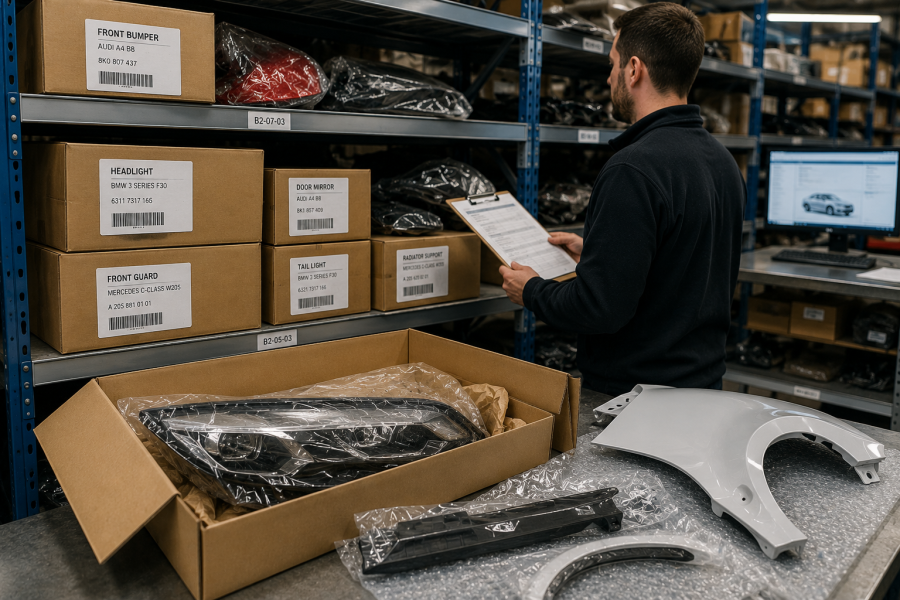
If any panels or parts need replacing, they’re ordered to suit your exact car. This is a quiet stage where nothing looks like it’s happening, but it still matters. Common parts for popular models are usually easy to get. Parts for older cars, or for European makes like Audi, BMW and Mercedes-Benz, can take longer to arrive, and some have to come in from overseas. The repair can only move forward once the right parts are on hand.
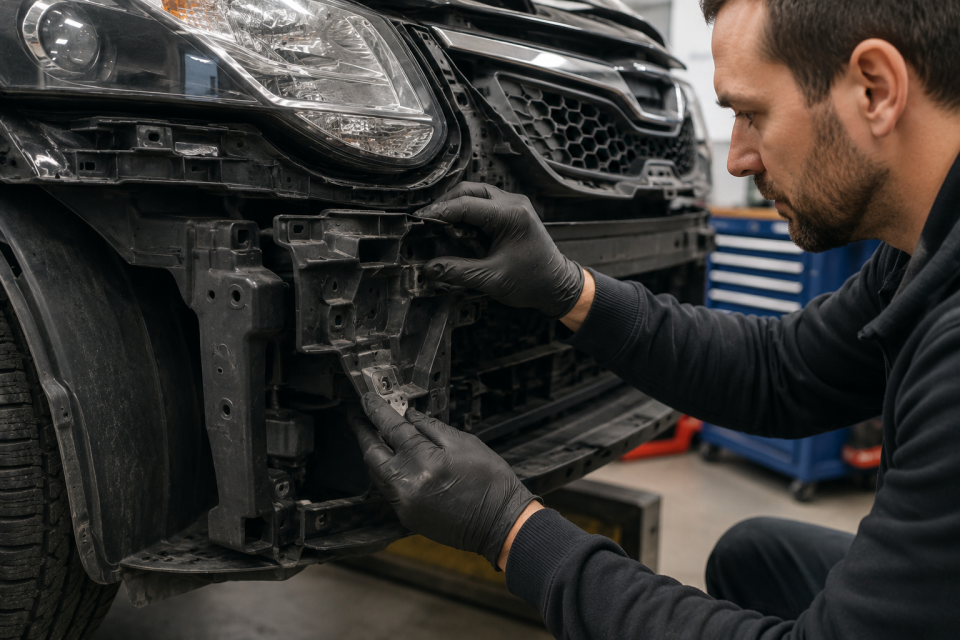
Now the hands-on work starts. Damaged parts are removed, and the panels and structure underneath are repaired. If the crash pushed the body out of shape, the frame, or chassis, is pulled back to its correct measurements on a bench built for that job. This is the stage where hidden damage often turns up, because a problem behind a panel only shows once the panel is off. If that happens, the workshop talks to you before doing any extra work. If you’re wondering how long all of this takes, that depends on the damage, and we’ve set out realistic timings separately.
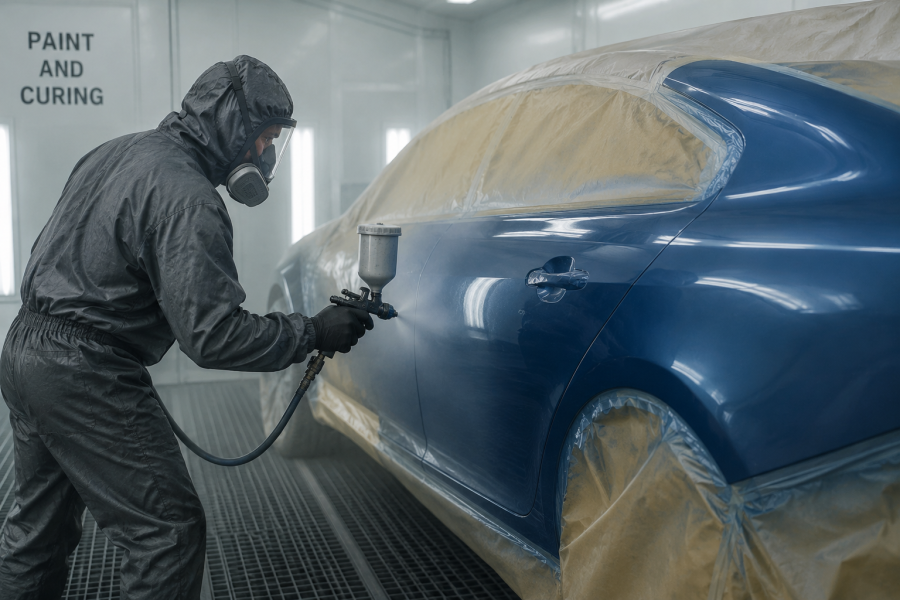
Once the panel work is done, the repaired area is prepared for paint. The surface is cleaned and sanded, the colour is matched to the rest of your car, then the paint is sprayed in a booth and baked. That baking, called curing, is what makes the finish hard-wearing rather than soft. Paint is a stage in its own right, because rushed prep or a poor match shows up straight away. If you’d like more on how the paintwork side is handled, our spray painting page goes further.
With the paint cured, everything comes back together. Trim, bumpers, lights and any parts that were removed are refitted, then the car goes through quality and safety checks. On newer cars with driver-assist features, such as lane keeping or auto emergency braking, the cameras and sensors behind the bumper or windscreen often need recalibrating so they read the road correctly again. That recalibration step is worth understanding on its own if your car has it. After a final clean-up, the car is ready for you.
Every repair follows these stages, but how deep each one goes depends on your car and the damage. The best way to know what yours involves is to have it looked at. You can bring it in to our Richmond workshop, just off Bridge Road, or send through some photos, and we’ll walk you through what each stage means for your specific damage.