
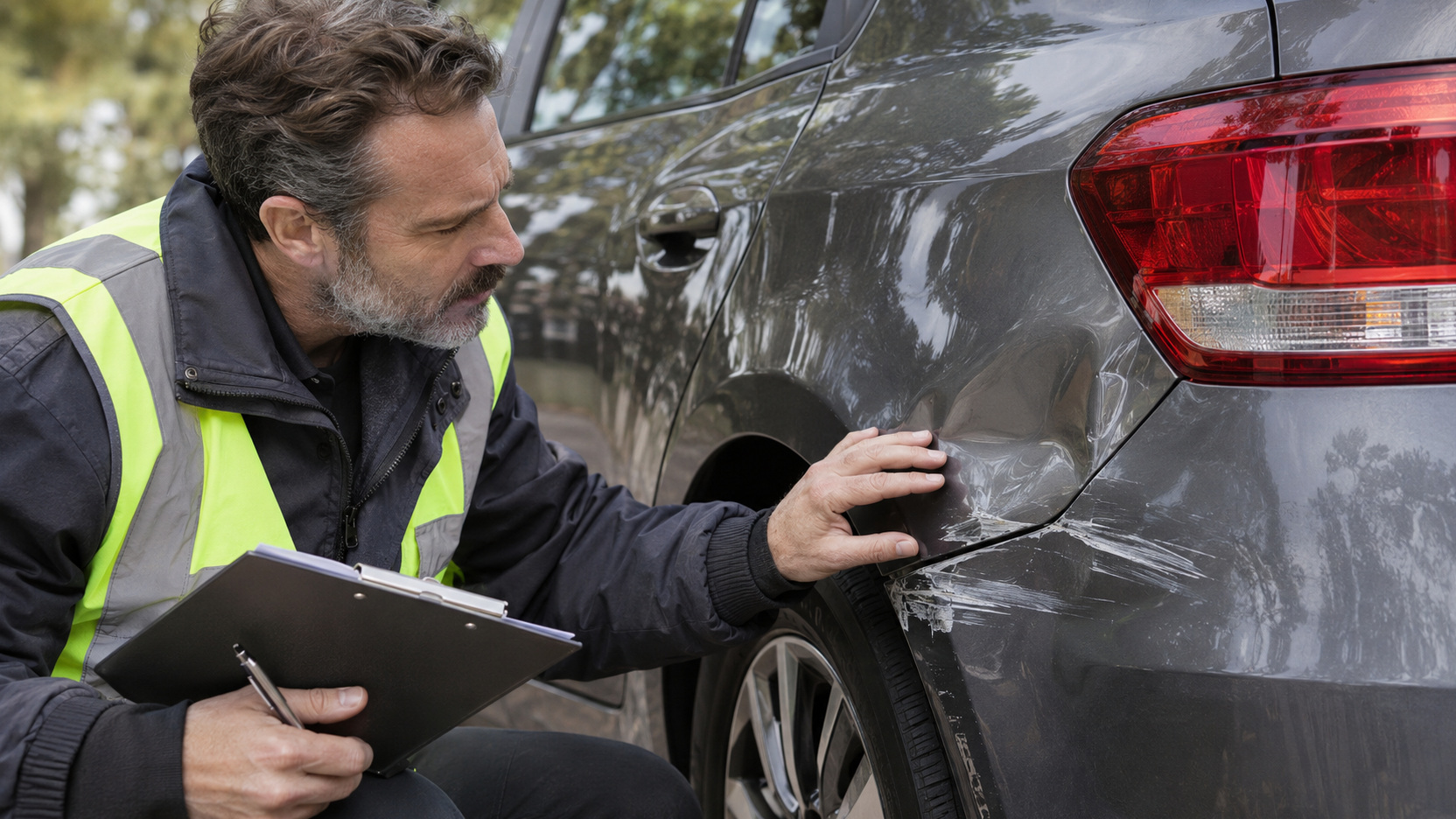
Not necessarily. A cash settlement, where the insurer pays you instead of arranging the repair, may let you choose whether and when to spend the insurance money on fixing your car. Before you spend it elsewhere, check your policy, the settlement terms and any finance or lease agreement. Leaving the damage unrepaired can still have consequences.
The examples here come from two current Australian car insurance policies, RACV’s and Real Insurance’s, for a car that can be repaired. Total-loss claims, including write-offs, and payments from another driver’s insurer follow different rules.
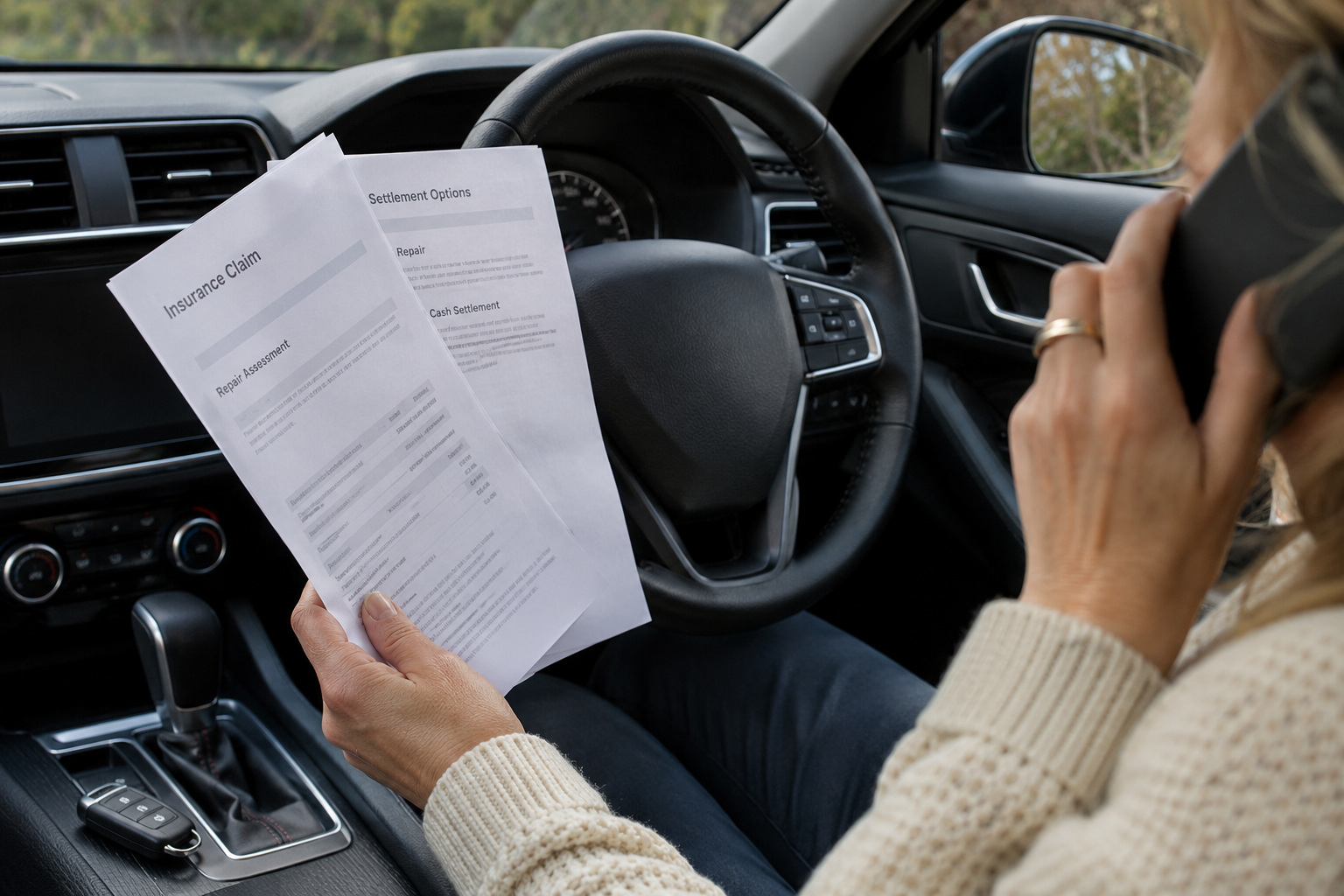
The insurer makes the settlement decision under the policy, and both policies say your preference is part of it.
RACV’s motor insurance PDS (product disclosure statement, the insurer’s policy booklet) says the insurer will decide whether to repair your vehicle or pay you “the fair and reasonable cost of repairing your vehicle as determined by us”. Its choice will “consider any preference you may have”.
Real Insurance’s car insurance PDS says it will choose “depending on what approach is more reasonably practicable in the circumstances”. It takes all relevant circumstances into account, including your preference.
You can still challenge the proposed approach or amount. Ask the insurer for its reasons and the assessment behind them. Both policies set out a complaints process that starts with the insurer and, if the matter is not resolved, can go to the Australian Financial Complaints Authority (AFCA).
Insurers call a payment in place of a repair a cash settlement. Paying a workshop yourself and leaving insurance out of it is a separate choice, which comes down to deciding whether to claim at all.
The wording quoted here comes from the policy documents current in late 2026. RACV’s PDS should be read with all of its supplementary PDSs. The latest, dated 13 July 2026, applies to new policies from 14 July 2026 and renewals from 17 August 2026. Real Insurance’s PDS is dated 1 July 2026 and applies to new and renewing policies from 14 August 2026. Terms vary between insurers and between policy versions, so check the documents for your policy’s start or renewal date.
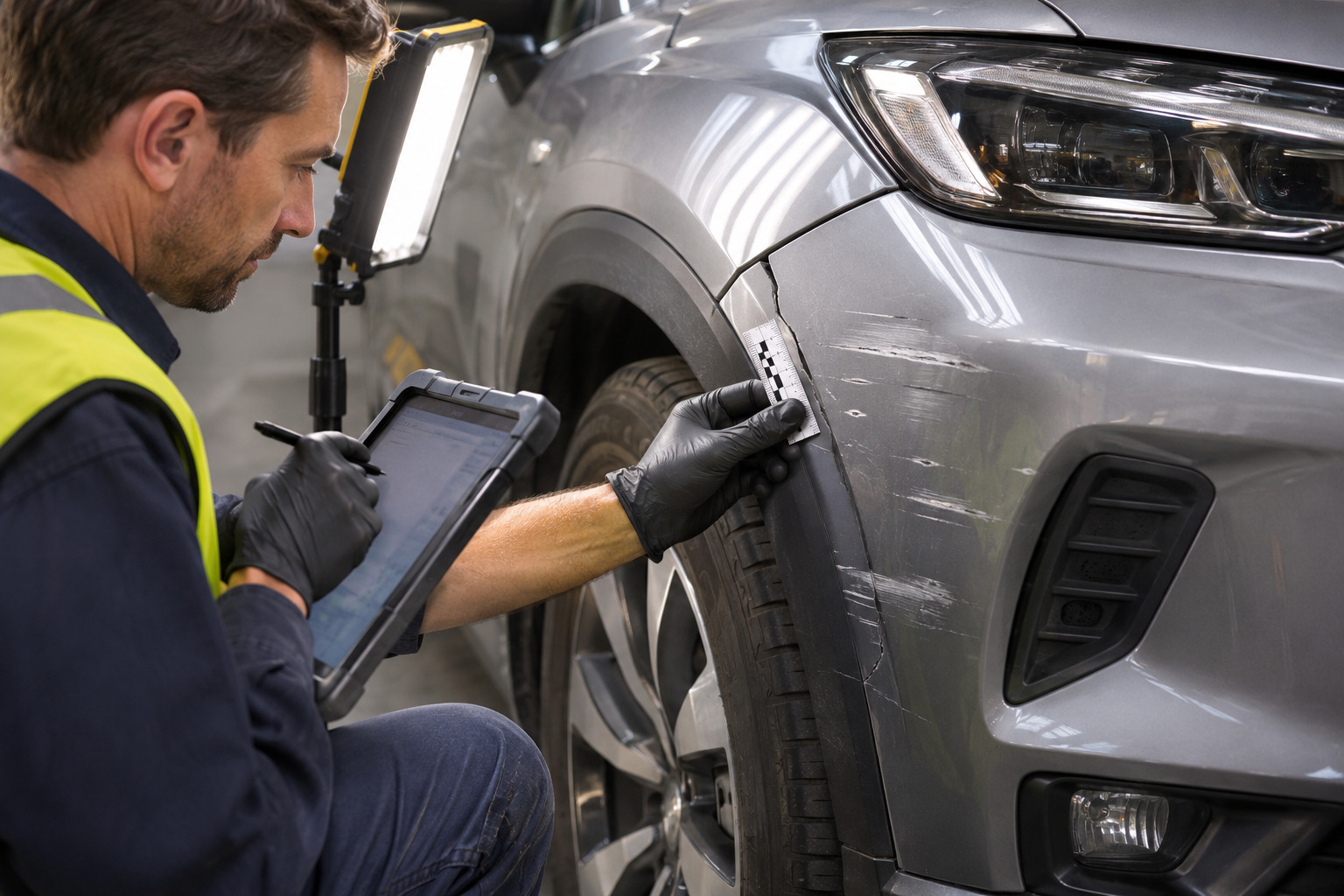
The cash figure is the insurer’s assessment of the repair cost. RACV’s PDS says that in working out the fair and reasonable cost it may consider “quotes from RACV Partner Repairers, our nominated repair methods for type of damage to your vehicle and reports from our assessors”. Real Insurance’s PDS describes the payment as “the reasonable cost for you to repair your car”.
An insurer’s assessment and an independent workshop’s quote may differ in the repair work included, the methods proposed or the prices charged. Compare the scope of work as well as the total. A difference does not, by itself, show that either figure is correct.
Both policies also allow the excess, the amount you may have to contribute to a claim, to be taken out of the payment.
Before you decide, ask the insurer how the figure was worked out and get the breakdown in writing. Then compare it with a repair quote that sets out the same damage. Where the two list different work, that difference is the question to put to the insurer.
If you can choose between cash and another settlement option, ask for the Cash Settlement Fact Sheet before accepting. Read the settlement terms before you accept. Ask whether the payment finalises the whole claim, and how accident damage found later, or a cost you dispute, would be handled.
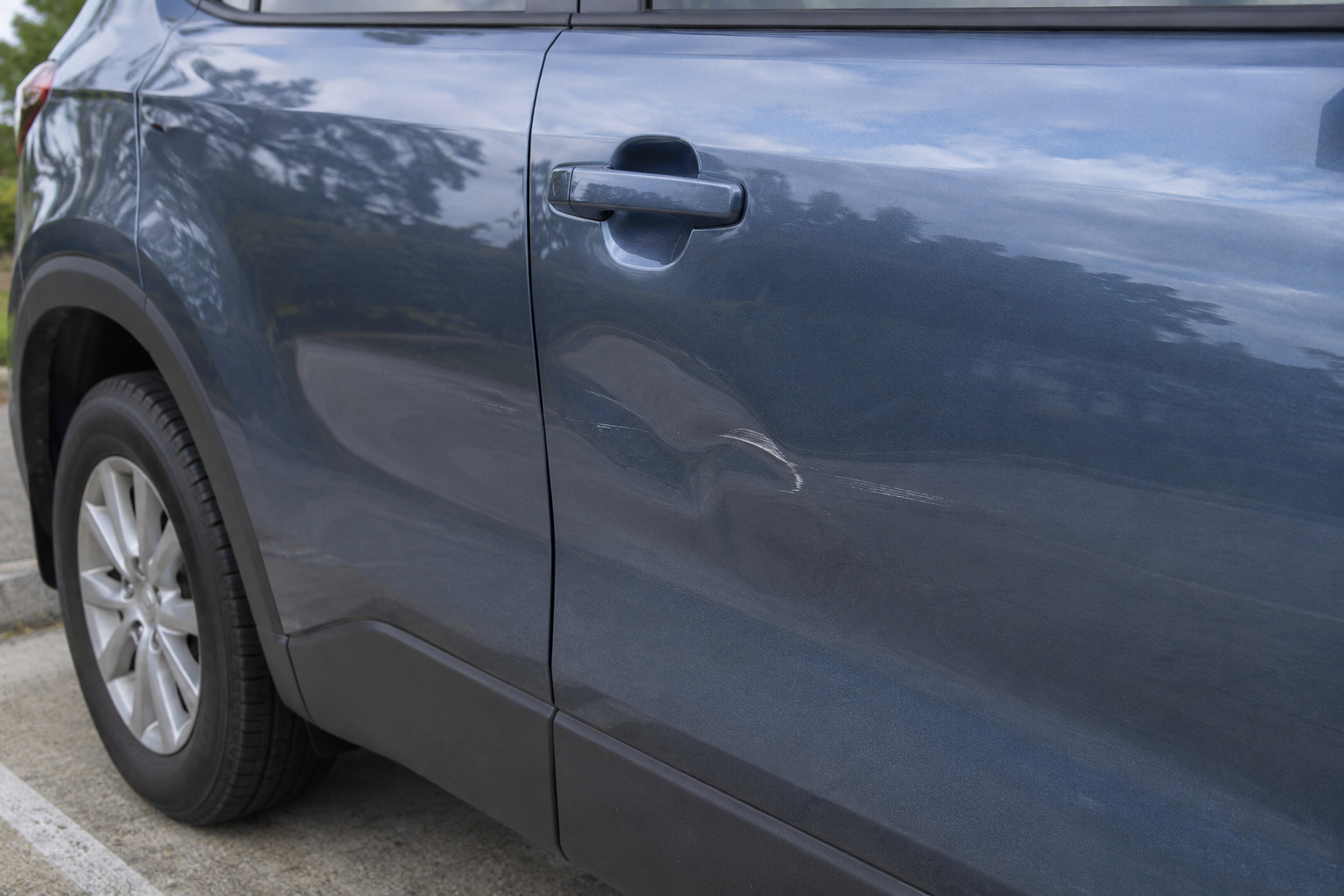
If you don’t use the insurance money for repairs, the damage stays and so do its consequences. Check these before you spend the money elsewhere.
If you own the car outright, the lender point falls away. Cosmetic damage does not remove the requirement to keep the car safe and roadworthy, so don’t assume damage is harmless because it looks minor. The later-claim point still applies.
Ask the insurer to confirm how leaving the damage unrepaired would affect your ongoing cover. Check any supplementary PDS and special conditions on your policy as well.
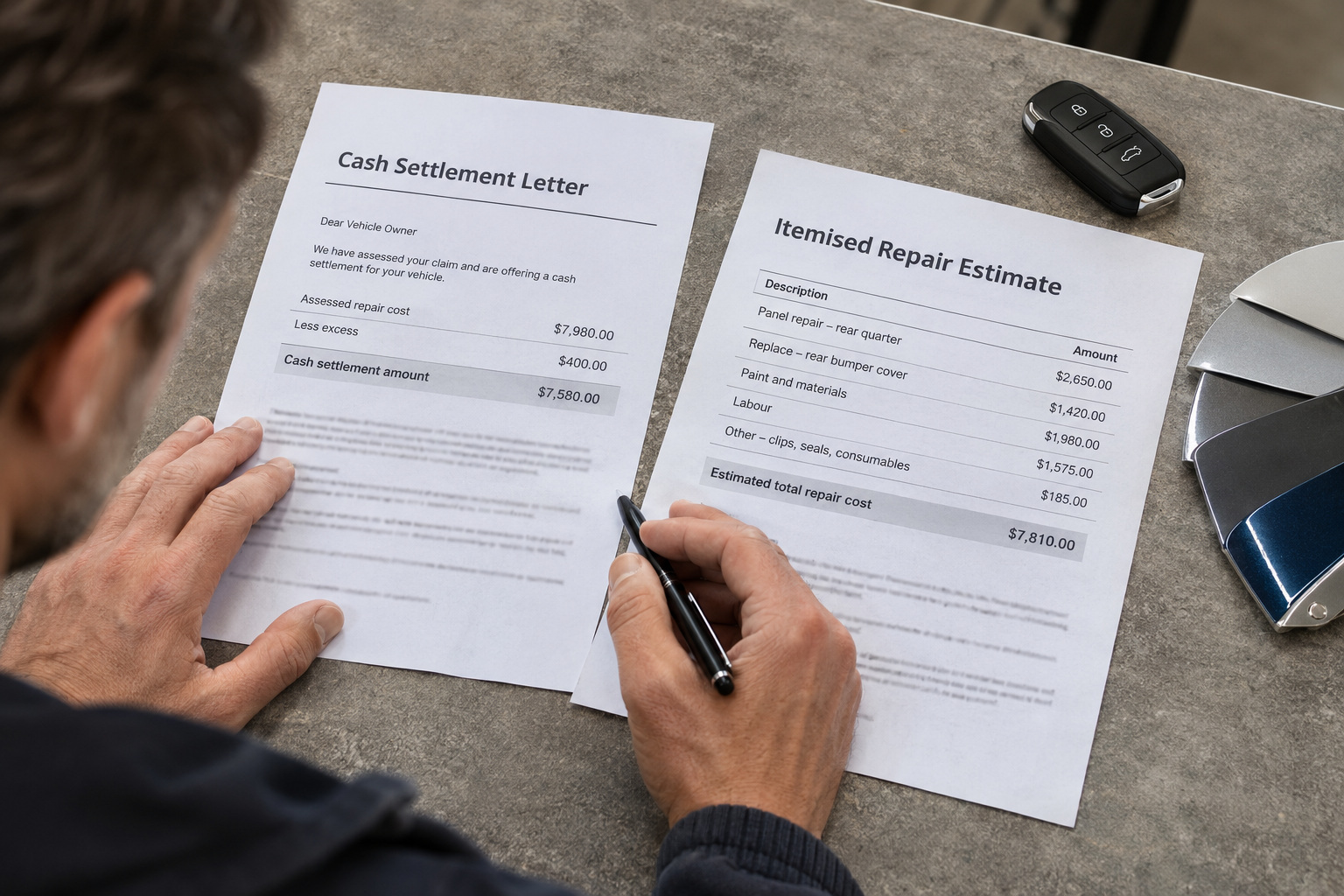
The comparison below is drawn from RACV’s and Real Insurance’s current PDSs.
Without the insurer’s guarantee, work you arrange yourself may still be protected by the repairer’s own warranty and by the consumer guarantees under the Australian Consumer Law. Ask the workshop about its warranty before you book.
| Issue | Insurer-arranged repair | Cash settlement |
|---|---|---|
| Who arranges the repair | The insurer authorises it | You do, if you choose to repair |
| Who pays the workshop | The insurer pays the cost it authorised | You pay from the payment, and RACV says it is not responsible for costs of repairs you arrange after a cash settlement |
| Guarantee on the work | Yes, from the insurer, for as long as you own the car (both policies) | No guarantee from the insurer (both policies) |
| The excess | Paid to the insurer or repairer, or taken from a payment | Can be taken from the payment |
For an insurer-arranged repair, whether you can choose your own panel beater depends on your policy.
A cash settlement can suit you if you want to pick the workshop and the timing yourself, or you are happy to leave minor cosmetic damage as it is. The trade-off is that accepting it can leave you responsible for repair costs above the agreed payment, and the insurer’s guarantee doesn’t apply to the work. An insurer-arranged repair keeps both the authorised repair cost and the guarantee with the insurer.
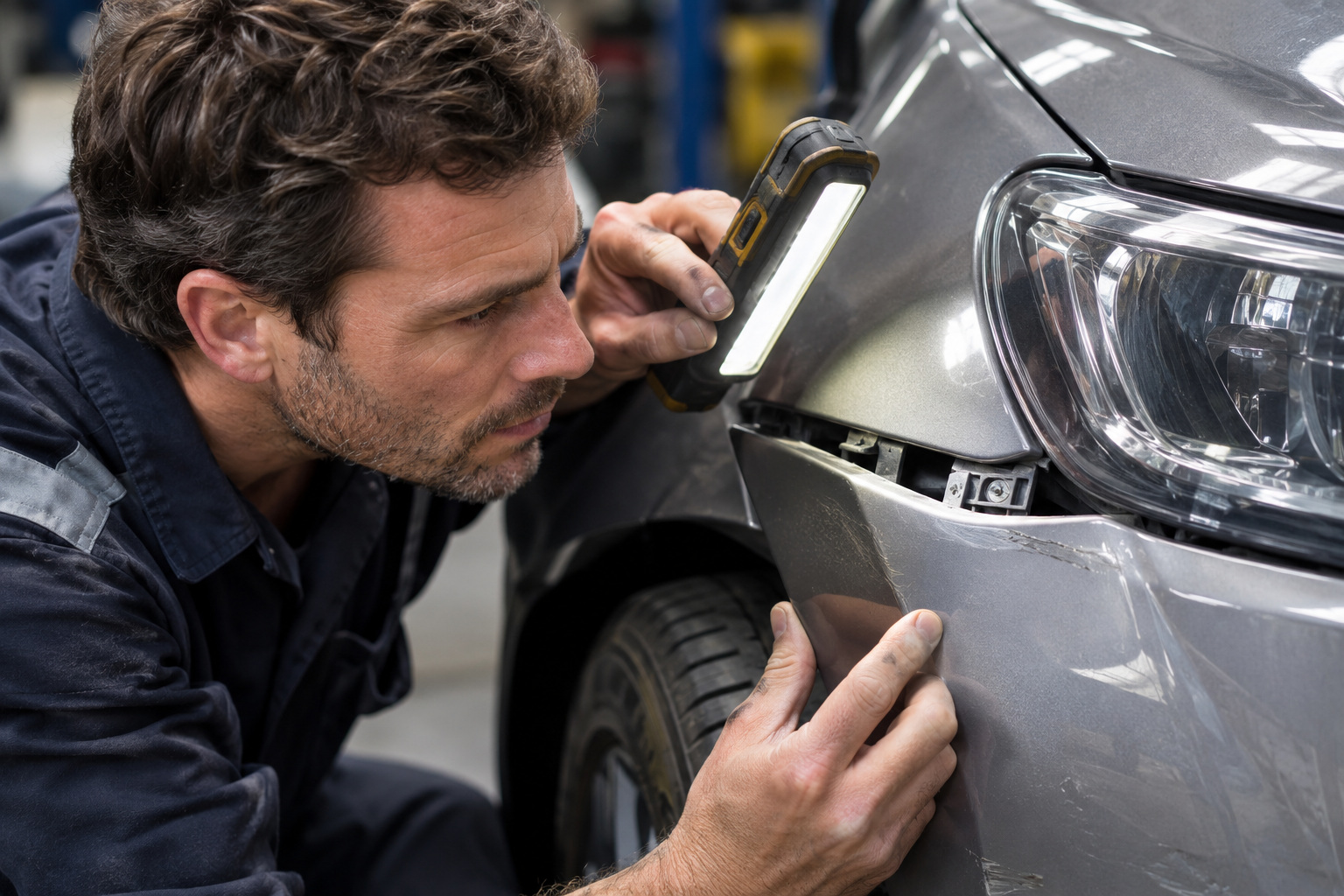
Before you agree to the payment, have the damage looked at by a panel beater. An assessment gives you a repair scope to compare with the cash figure. It can also show whether further inspection is needed, for example behind a bumper or panel, before the full extent of the damage is known.
Automotive Panel Service can look at the car at its Richmond workshop on Murphy Street and tell you what the repair involves. You can request a quote online. With your authority, the workshop can help lodge your claim and manage the process.