
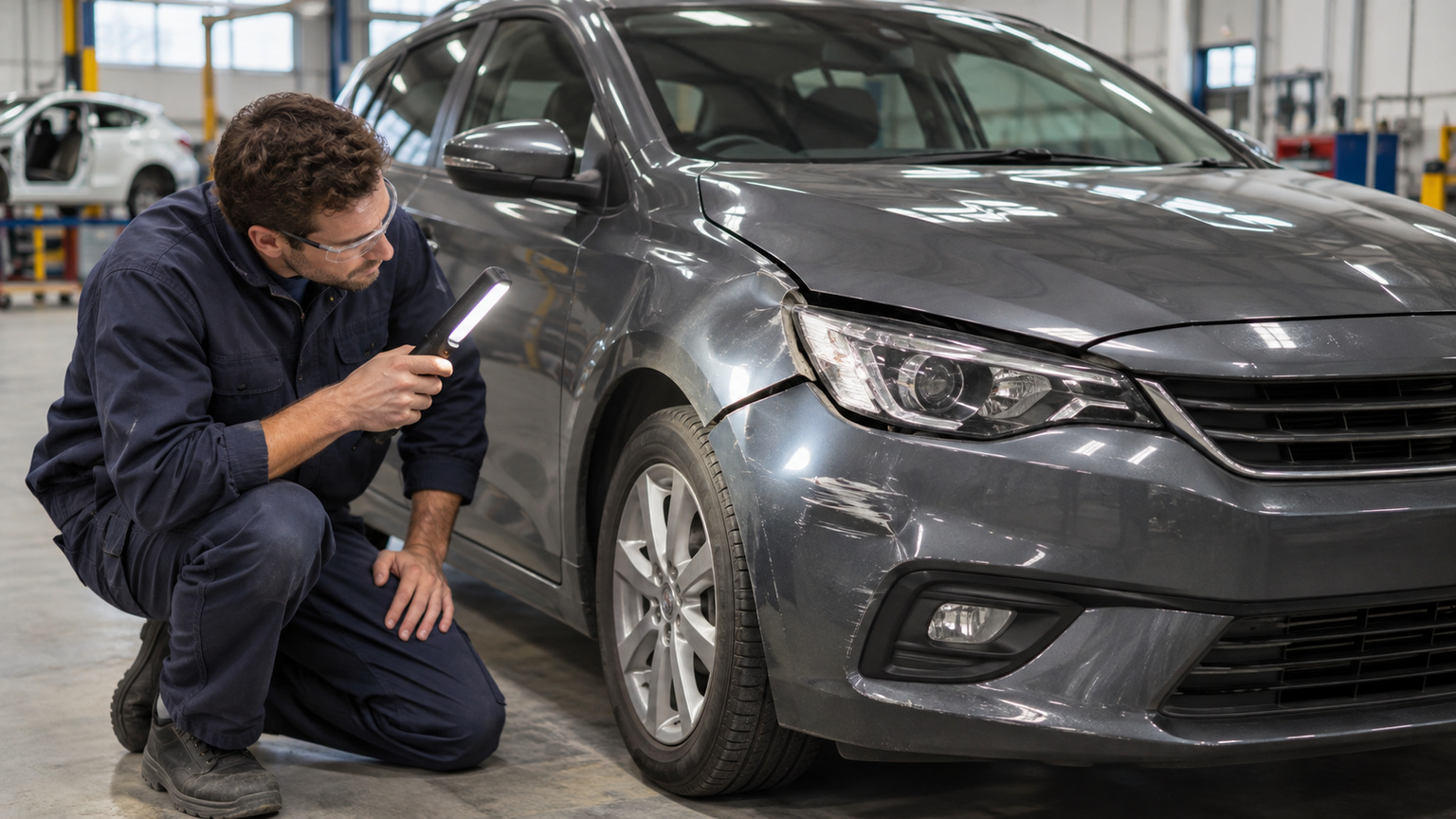
Panel beating is one part of a car repair: reshaping damaged body panels, or replacing one that can’t be saved. Smash repair is the wider job after a collision, and it can take in panel beating as well as bumper, paint and structural work. Which one your car needs depends on how far the damage goes, and an assessment is what shows that.
A door scraped in a Swan Street car park and a front corner clipped at a Church Street intersection can both start with panel work. The difference is how much else has to be checked.
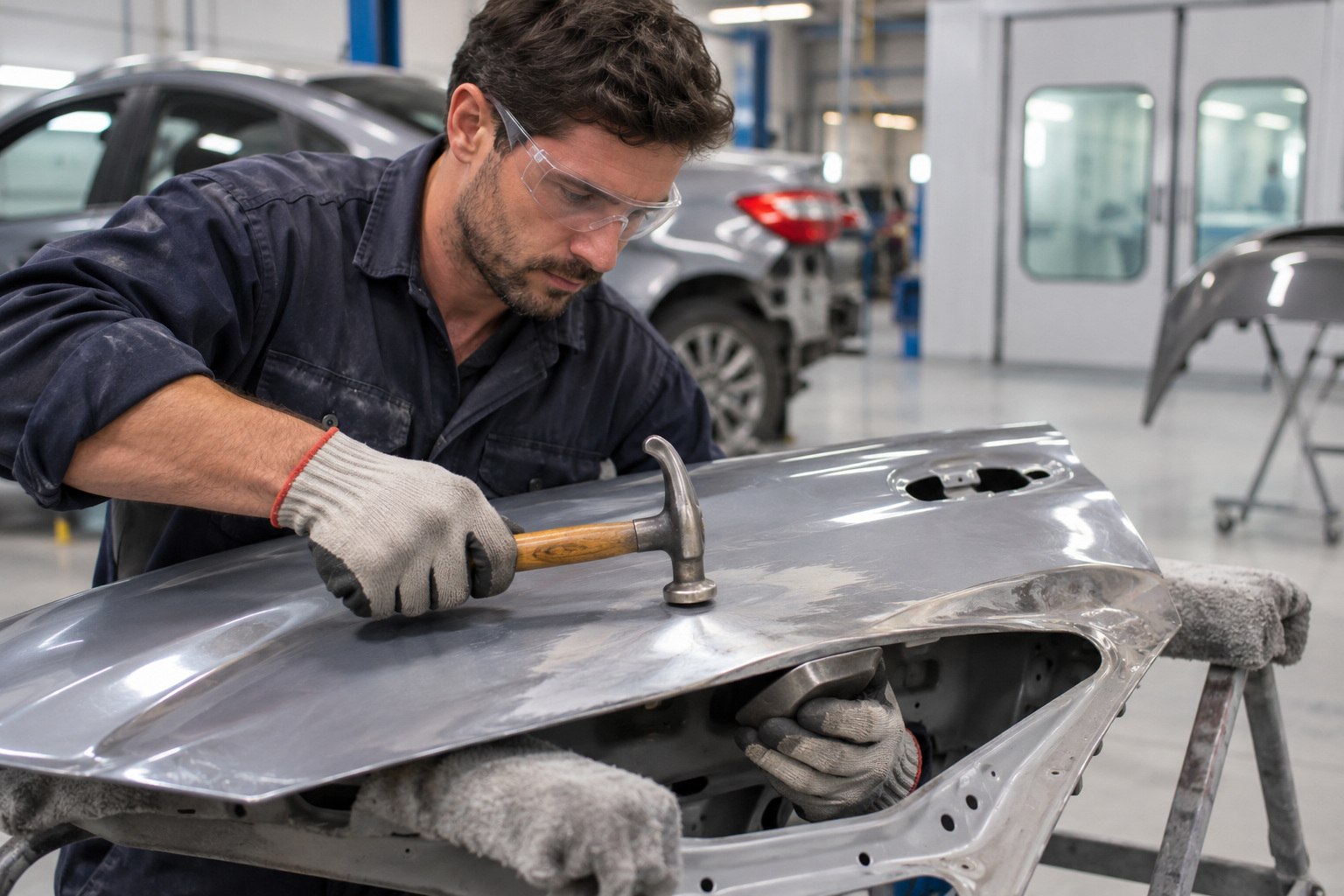
Panel beating names a trade skill. Smash repair names the whole job after a crash. At a workshop that does both, the two words can describe the same booking.
Our smash repair service includes panel beating, and our panel beating service covers collision repairs too. So the sign on the door tells you less than the scope of the work does.
| Term | What it covers | What the word alone can’t tell you |
|---|---|---|
| Panel beating | Reshaping damaged body panels, or replacing a panel that can’t be repaired | Whether anything behind the panel was bent, cracked or moved |
| Smash repair | The whole repair after a collision, which can include panel beating, bumper repairs, dent removal, chassis alignment and paint refinishing | How much of that list your car needs |
Neither label is a diagnosis, and neither describes the method. The hands-on side is explained in what a panel beater does to a dented panel.
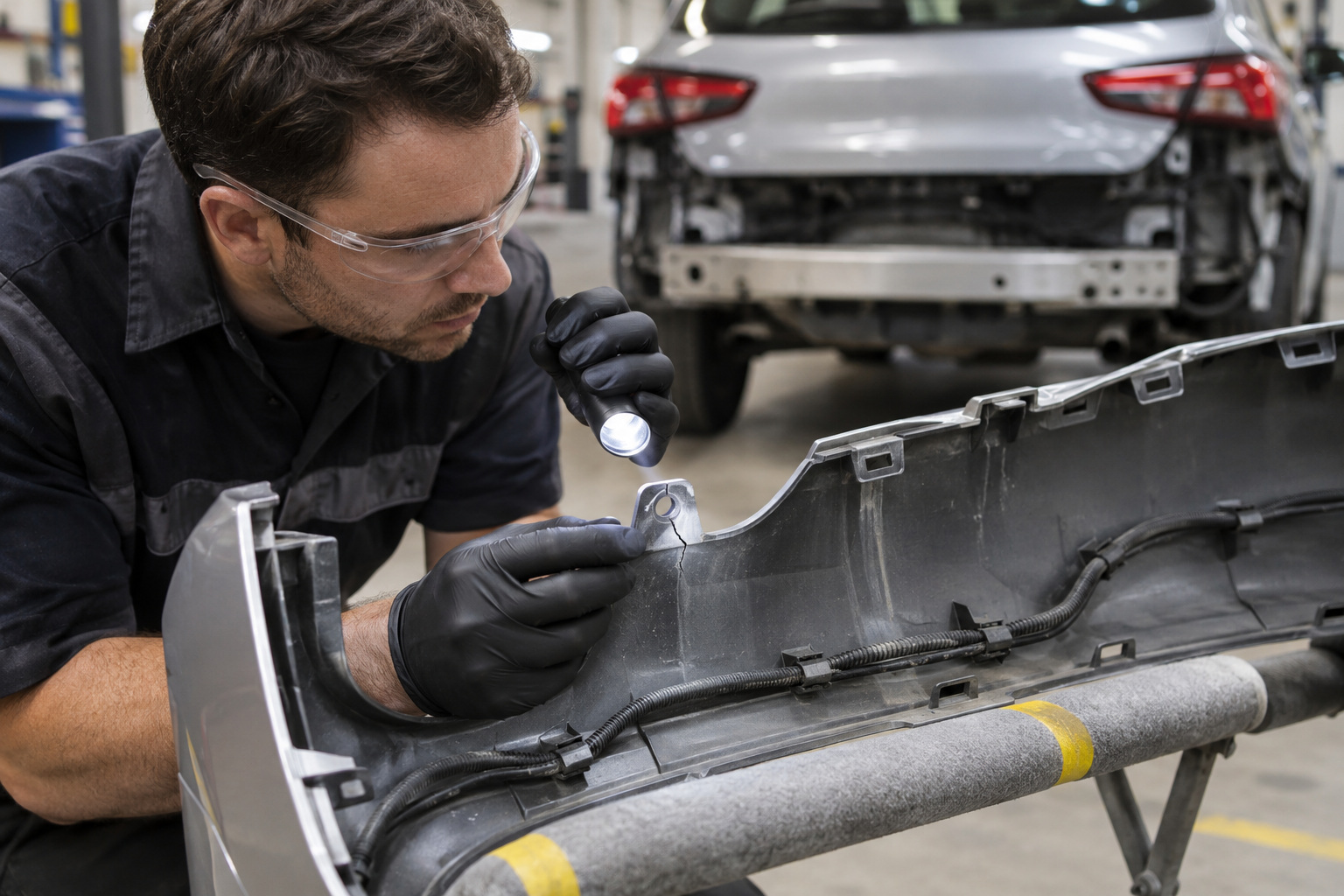
A panel is the outer skin of the car. Behind it are the parts that hold it in place and the parts it protects, and a knock can reach them without leaving an obvious mark on the outside.
Damage can extend to:
When the damage reaches any of these, the repair is no longer just panel work. That is when the wider list on our smash repair service page starts to apply.
A cracked light or a bent bracket doesn’t always mean a big job. It means the assessment has more to look at before anyone can say what the repair involves.
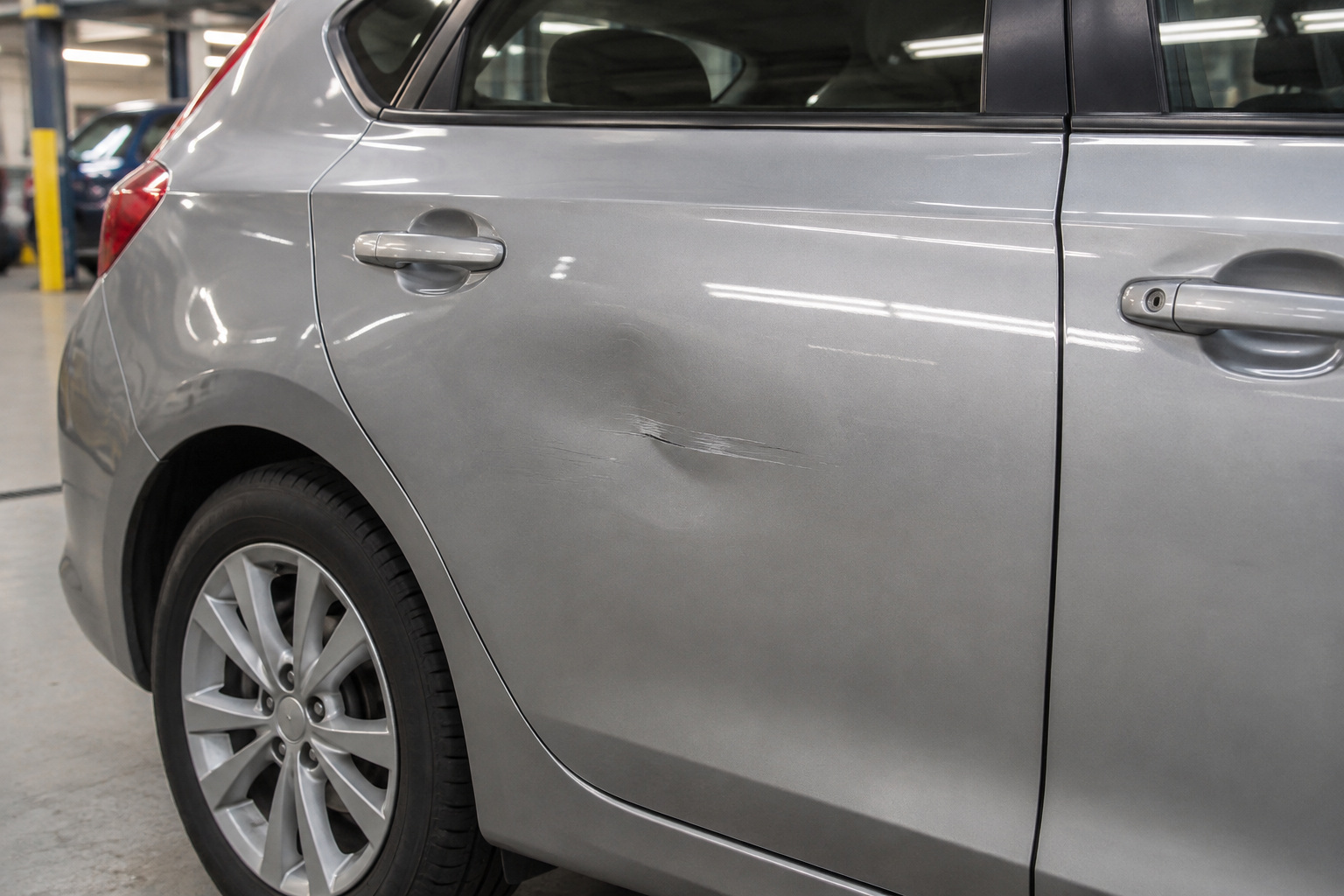
It can. If the assessment confirms that the damage stops at the panel and nothing behind it was disturbed, panel beating and refinishing that panel may be the whole repair.
What can’t confirm it is the look of the car from the outside. These three things can look like proof of a small job, but none of them proves it on its own:
A bumper cover can look intact while a bracket behind it is bent or broken. That is why the call on scope comes after an inspection of the car itself.
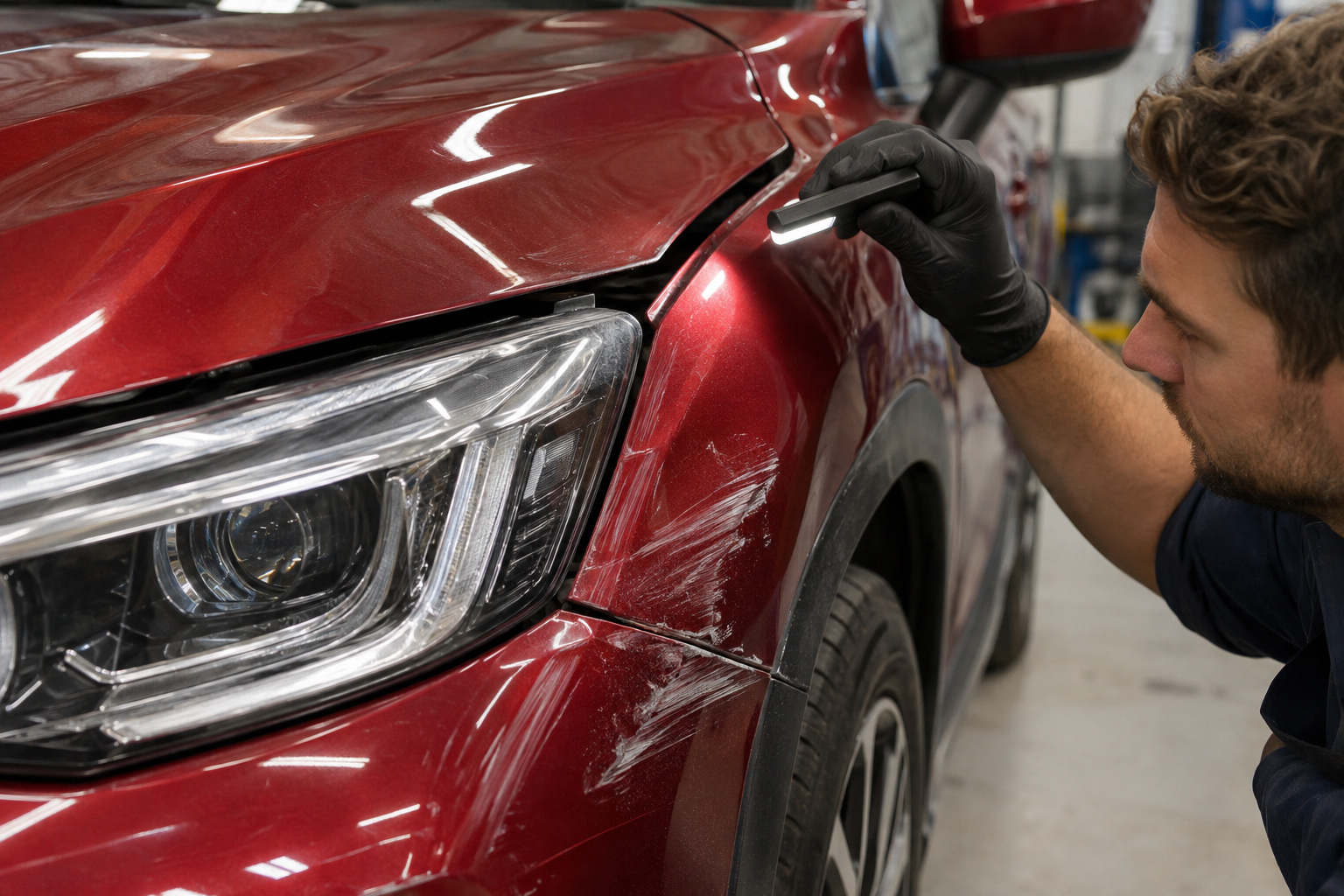
Some damage gives a reason for a closer look before anyone talks about a small job. None of these is a diagnosis, and any one of them can still turn out to be minor.
Some damage only shows once parts come off, which is one reason a first quote can change. If you want to know the order the work happens in, the stages of a smash repair are set out separately.
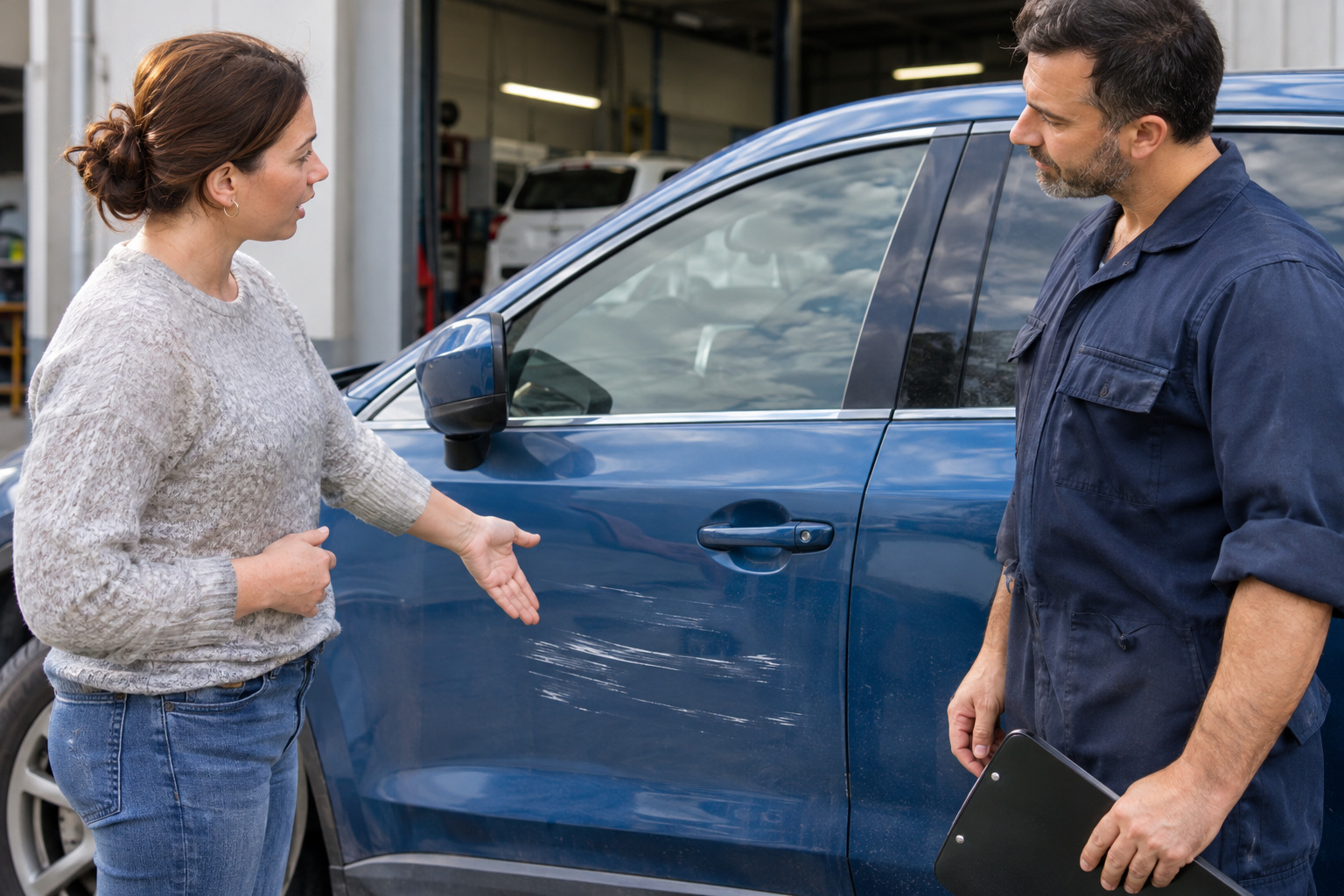
No. You don’t need to pick the right word before you get in touch. Telling the workshop what happened, where the car was hit and what you have noticed since is enough to start the conversation.
The assessment then sets the work. If it stays at panel level, that is the repair. If it reaches further, the job grows to match what the assessment finds.
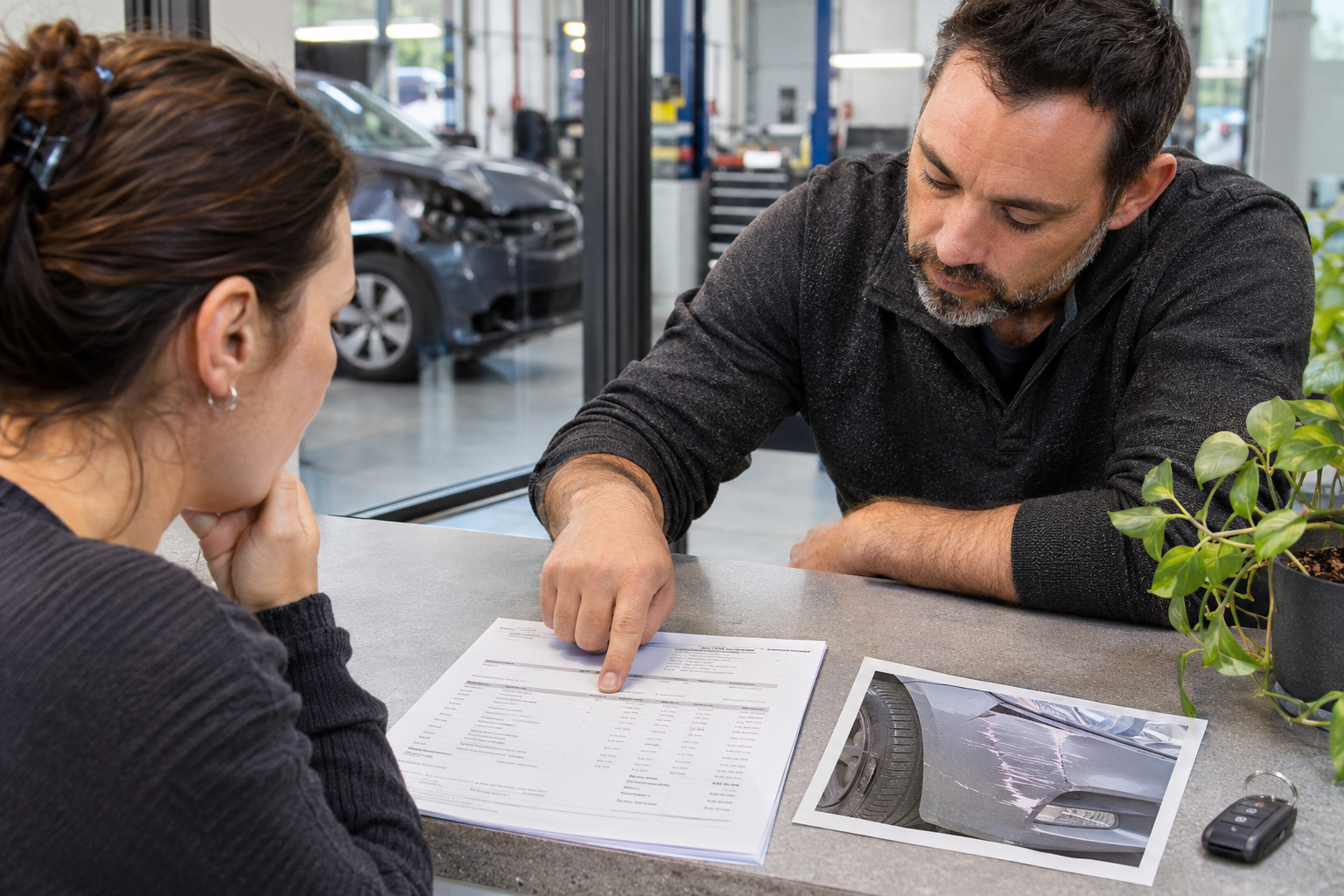
If you are claiming on insurance, your policy and your insurer’s approval of the quote shape what work goes ahead. The policy is set out in the product disclosure statement, or PDS, which is the document that says what you are covered for.
Your PDS also decides whether you can pick the repairer yourself, so read it before you assume either way. There is more on whether you can choose your own panel beater for an insurance claim if you want to check how that works.
If your car has damage and you’re not sure how far it goes, talk to Automotive Panel Service and have it looked at before you decide what kind of repair to ask for.